Chronicle Editor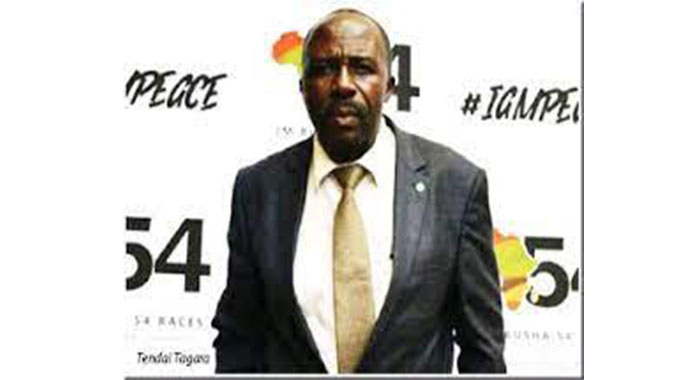
Ricky Zililo, Senior Sports Reporter
AS Zimbabwe celebrates 42 years of Independence today, sports associations are grateful for opportunities freedom brought to their industry, which has become one of the biggest employers.
Sporting associations that spoke to Chronicle Sport, recalled some codes were a preserve of the minority whites during the colonial era, with the majority being forced to take up football, netball and athletics.
Disciplines like swimming, cricket, basketball, rugby, tennis and hockey were among sports codes that were reserved for the minority whites.
It was only after Independence that the majority of Zimbabweans began to gradually pursue sports previously reserved for the elite minority.
It was also after independence that the country was readmitted to participating in global events, with their first international event being the Moscow 1980 Olympic Games where Zimbabwe’s women’s team won gold.
The 1980 Olympics marked the first of many international events that Zimbabwe has participated in since Independence.
Below are some sport associations’ responses to benefits independence brought to the sporting industry.
Phawulani Ngwenya, Bulawayo Amateur Swimming Association (BASA) chairman:
The significance of independence to sport is more about sharing the cake with everyone.
Independence is for all Zimbabweans, black, white, coloured or Indian.
This is why as BASA we’re happy that we don’t worry about who you are, but worry about the sport and ensuring there’re enough opportunities and utilise opportunities available in terms of independence to really foster competition and growth for all the children.
We really appreciate that independence brings that freedom for people to be able to freely participate and make a choice in the sport they want to play.
There were sports before independence that were only for blacks or whites, but with independence, everyone participates based on their talent, ambitions and opportunities created by independence.
When you look at the swimming fraternity, we’re really happy about the opportunities brought by independence to black people into the sport, which was seen as a sport for the elite.
We appreciate that quite a number of athletes are able to participate on the international scene.
When Independence came, Zimbabwe was allowed to participate on the world stage like the World Championships and Olympics and without Independence we wouldn’t have been able to participate on the global stage.
We’ve seen a lot of black people getting into administration and coaching and participating in regional and international events.
That has been beneficial to our swimmers in terms of exposure and growing the sport.
We’ve recently seen that the Government has started to fund some of the programmes through ZOC and SRC developmental funds.
This year we managed to hold a ZOC training clinic and quite a number of black swimmers participated.
The honest truth is that when you look at the number of blacks or underprivileged members of society now freely participating in the sport, quite a large chunk of it is through the gains of independence.
It’s not a political issue, but it’s about what independence brings to the people and to a nation.
Aaron Jani, Zimbabwe Rugby Union (ZRU) president:
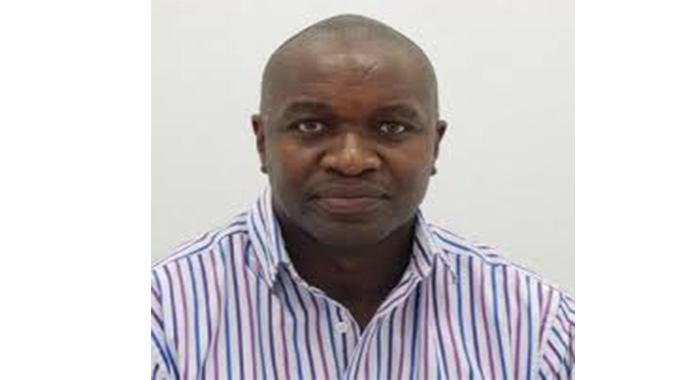
As the rugby fraternity, Independence brought about equality in terms of creating an equal playing field for all black people who loved rugby and wanted to play rugby.
So, we were able to play alongside our white counterparts, compete with them equally, have an equal chance of representing the provinces, and have an equal chance of representing the country.
Furthermore, it gave us opportunities to earn a living from rugby.
We were able to get scholarships, jobs associated with rugby and you can see, most of our schools’ directors of rugby are blacks earning a living out of those jobs.
For us in administration, we can now chase up all positions in administration.
We’ve had so many blacks running the union because of the opportunities afforded to us by independence.
So, we’re very grateful that independence came along and created equality for sports like rugby.
The significance of Independence to all sports is freedom to participate and freedom to perform.
You can choose the sport you want to participate in and be an administrator, and make a career out of.
Joe Mujuru, Basketball Union of Zimbabwe (Buz) president:
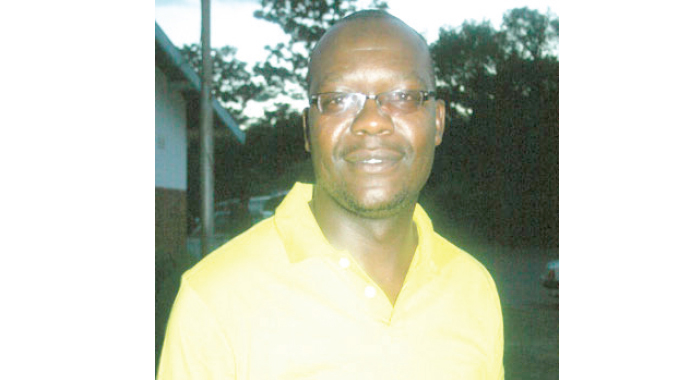
Basketball is the fastest and biggest sport outside colonisers’ sports.
By colonisers’ sports, I’m talking about sports that came out of England such as football, rugby, cricket and hockey.
Outside that, basketball is the largest.
So, we’ve certainly come a long way as the basketball community since 1980.
Before Independence, basketball was a preserve for white and coloured people because of the culture it had then.
Now we’ve come so far that black people are dominating and enjoying basketball.
We’ve spread to rural and peri-urban communities, as well as high-density suburbs in the cities.
We’re still growing because of what independence brought to the country.
Tendai Tagara, National Athletics of Zimbabwe (Naaz) president:
Before Independence, we couldn’t participate in major competitions.
In 1980, that is when there was the awakening of a giant.
After Independence, so many sporting heroes were made from their performances at the Moscow Olympics to the present day.
Sports gained a lot in terms of participation and Zimbabwean athletes got scholarships.
We had the Chamber of Mines Games growing from strength to strength.
Some athletes got jobs at the mines after school because of opportunities created by Independence.
We also saw a change of colour in terms of the Naaz leadership.
As we celebrate the 42nd Independence, we are happy as athletics that so many Zimbabwean athletes’ dreams have been fulfilled, as they have been to the Olympics, travelled around the world to represent the country and even develop as individuals.
Arthur Maphosa, National Association for Secondary Heads (Nash) president:
Independence made sure our sports came out of international isolation.
During the white regime era, the country was under sanctions and couldn’t participate in international activities.
Independence opened the gates and I remember as a 16-year-old I was eulogising the likes of Peter Nkomo, the former Highlanders goalkeeper, when they got the opportunity to go and play in the Moscow Olympics and that’s where he got the name Moscow.
We kept adulterating it into Oxo because he got the name Moscow from the 1980 Olympics.
We also remember the honour brought by the hockey Golden Girls from scooping a gold medal in the 1980 Olympic Games in the Soviet Union.
Independence opened opportunities for most of our athletes and football players became marketable outside the country, while as a nation we also had sporting icons coming to our country.
Schools’ sport also grew up to the current levels where athletes go for World Championships and some get scholarships to study outside.
We’re very proud of the many doors Independence opened for our children.
– @ZililoR


 Online Reporter