

 Online Reporter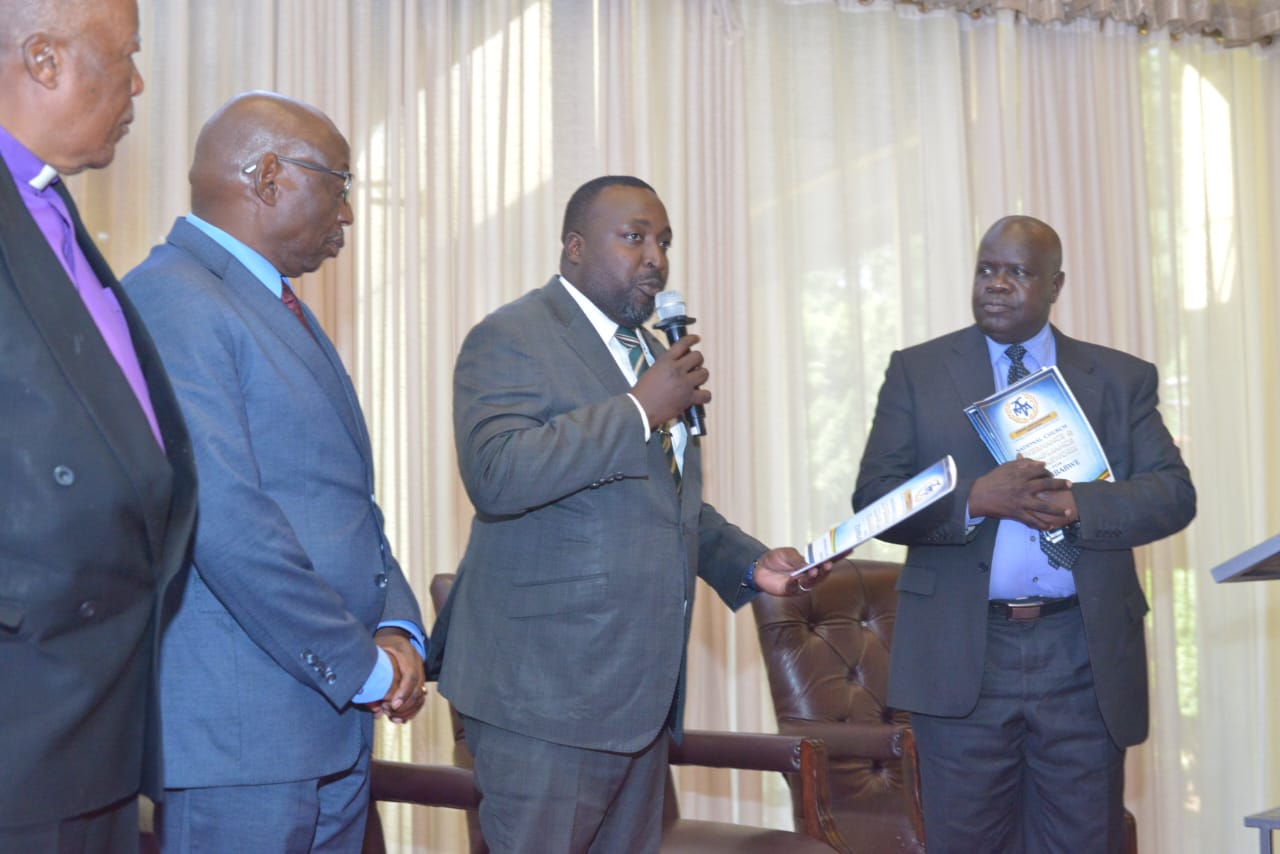
Herald Reporter
CHURCH leaders in Zimbabwe have moved to strengthen accountability, ethical leadership and protection of congregants following the launch of a National Church Governance and Compliance Framework designed to tackle abuse, improve governance systems and restore confidence within the faith sector.
The framework, unveiled on Thursday during the Zimbabwe Christian Ministers Association (ZCMA) Foundership and Governance Programme at Rainbow Towers in Harare, introduces a Church Safeguarding and Abuse Prevention Framework that seeks to address growing concerns over abuse, exploitation and weak governance systems in some religious institutions.
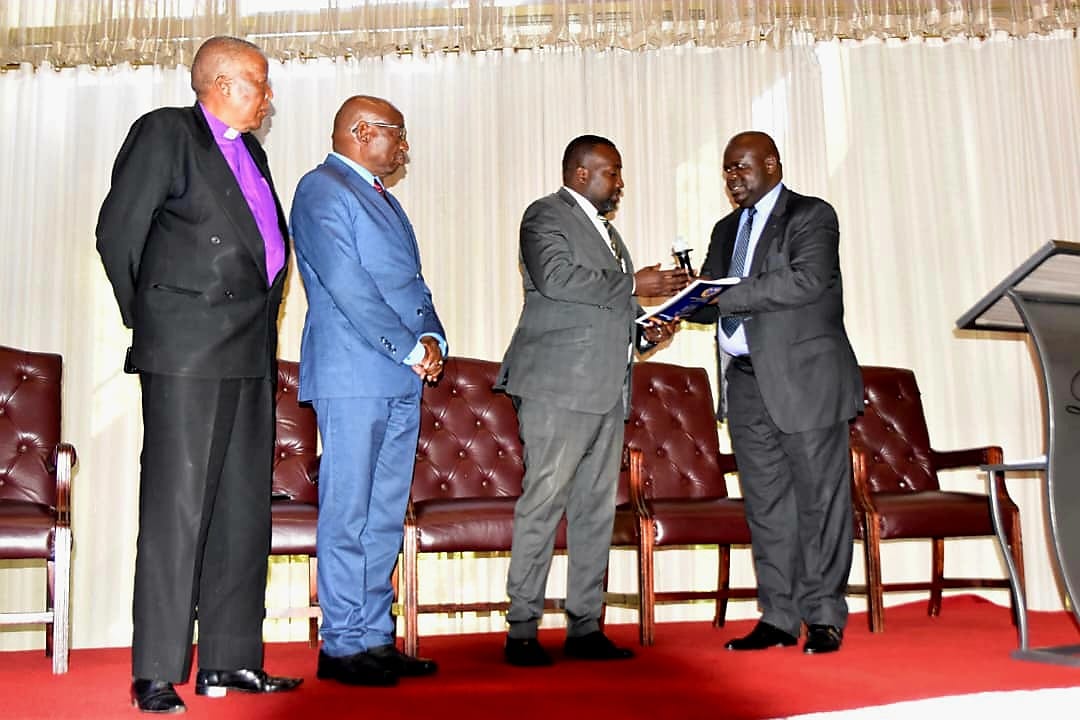
Developed by the Zimbabwe Christian Ministers Association through the Christian Ministers Training Institute, the policy establishes minimum governance standards for churches and faith-based organisations while promoting ethical leadership, financial accountability and institutional compliance.
The safeguarding framework outlines measures aimed at preventing physical, sexual, emotional, financial and spiritual abuse within churches and places greater responsibility on church leaders, ministry workers and volunteers to protect vulnerable congregants.
It encourages churches to establish safeguarding officers, develop written safeguarding policies and create transparent reporting systems capable of handling allegations of abuse and misconduct responsibly.
Delivering the keynote address, Deputy Minister of Justice, Legal and Parliamentary Affairs, Honourable Cde Norbert Tichawona Mazungunye, said abuse and exploitation within religious institutions contradicted both biblical teaching and constitutional values.
“The pulpit must remain a place of hope and truth, never a platform for manipulation,” he said.
Hon Mazungunye said church leadership carried a sacred responsibility that required accountability and servant leadership.
“Leadership must reflect servant-heartedness, and decisions must be guided by accountability structures within the Church, consistent with constitutional values of dignity, equality and freedom,” he said.
He said ministerial authority should never be used for personal enrichment or abuse of power and urged churches to comply fully with Zimbabwe’s legal and regulatory framework.
The Deputy Minister said legitimacy and public confidence in churches depended on adherence to legal requirements, including registration, financial accountability and labour standards.
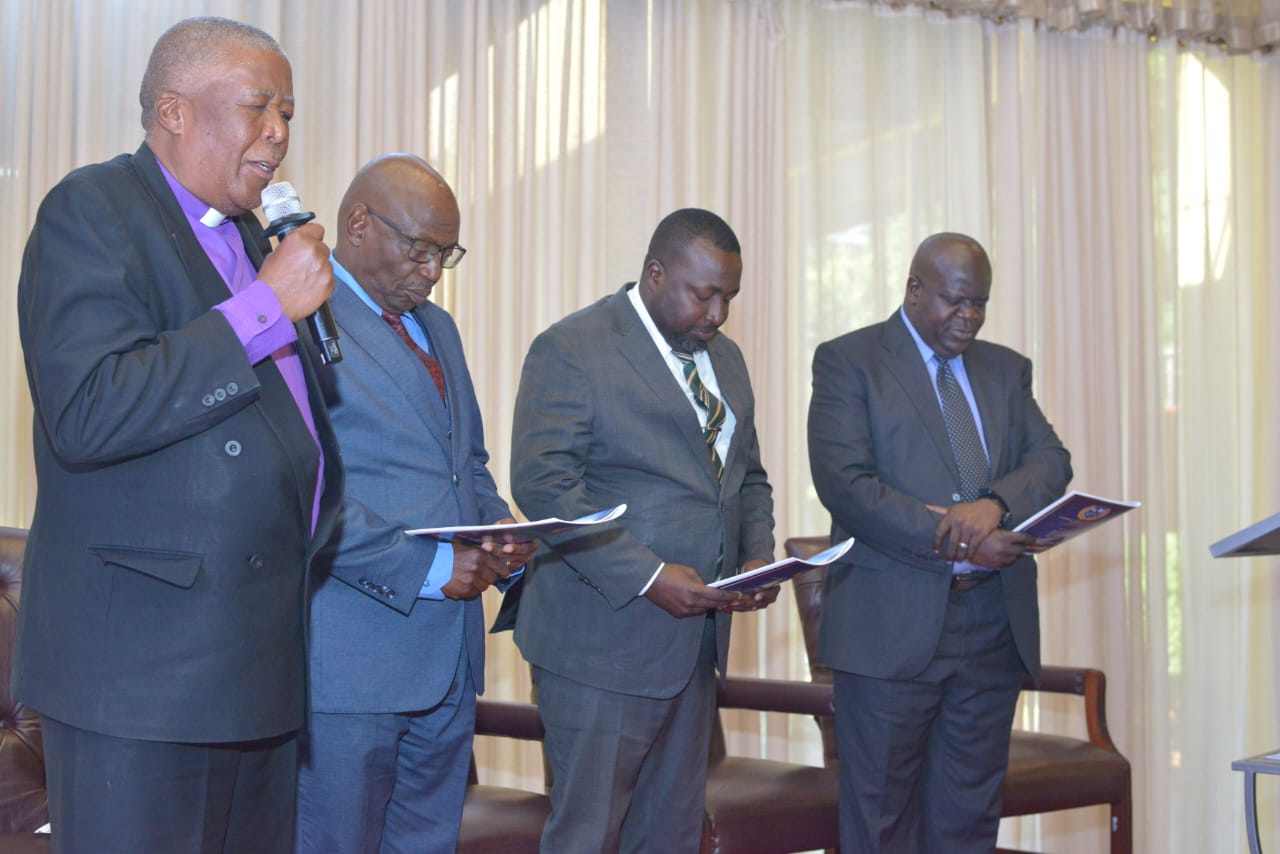
The framework introduces governance compliance tools covering legal identity, governance structures, financial management systems and leadership oversight mechanisms.
Churches are encouraged to undertake self-assessment using governance compliance checklists to evaluate whether they meet minimum standards.
The policy also provides guidance on church land acquisition, property registration, building approvals and compliance with local authority by-laws, areas that have frequently generated disputes among religious institutions.
Conflict resolution and dispute management guidelines have also been incorporated to help churches manage leadership disagreements and governance disputes while preserving institutional stability.
Speaking at the launch, ZCMA president and founder Bishop Christopher Choto said the Church could no longer afford to ignore governance and safeguarding challenges confronting the faith sector.
“The Church must take deliberate responsibility to govern itself effectively, ensuring that its witness remains credible, its moral authority intact, and its public trust preserved,” said Bishop Choto.
He said strong governance and safeguarding systems were essential in protecting congregants and preserving the integrity of ministry.
“The time has come for church leaders to take governance, accountability and safeguarding seriously in order to protect congregants and preserve the integrity of the Church,” he said.
The framework states that churches have a duty to provide safe and dignified environments for all congregants, particularly children, women, the elderly and other vulnerable groups.
It adopts a zero-tolerance position towards abuse and requires all safeguarding concerns to be documented and, where criminal conduct is suspected, reported to the relevant authorities.
Mandatory safeguarding training for ministers, church workers and volunteers has also been introduced as part of efforts to build institutional capacity and strengthen prevention systems.
Church leaders attending the launch welcomed the initiative, describing it as a timely intervention that would strengthen ethical leadership, transparency and professionalism within Zimbabwe’s rapidly expanding faith sector.
The governance framework further positions churches as accountable national institutions capable of engaging more effectively with Government, communities and development partners while remaining anchored in their spiritual mandate.



