Online Reporter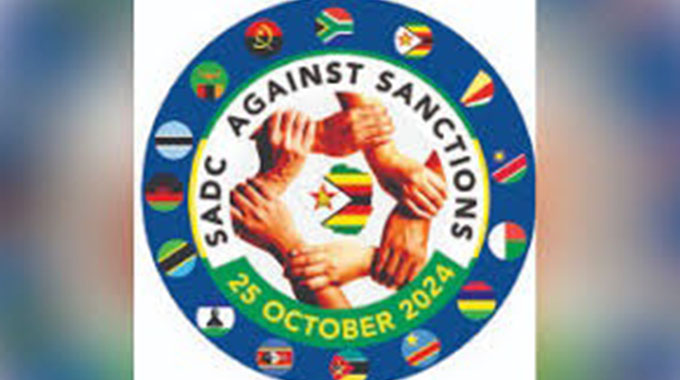
Gibson Mhaka, Zimpapers Politics Hub
CHURCH leaders from various denominations are rallying behind the Government’s vigorous call for the unconditional removal of illegal economic sanctions imposed on Zimbabwe by Western countries.
The sanctions followed the successful implementation of the land reform programme, which sought to redress the historical and unequal distribution of land between the black majority and the white minority.
The devastating effects of these sanctions have burdened ordinary citizens daily, crippling Zimbabwe’s political, social, cultural, religious, and economic sectors for over two decades.
In response, churches are demanding the immediate lifting of the restrictive measures. This call by the Church to support the Government’s stance comes as the nation prepares to observe the SADC Anti-Sanctions Day commemorations on Saturday, 25 October.
President Mnangagwa is expected to headline this year’s commemorations, delivering a national address that will highlight Zimbabwe’s resilience and progress despite the ongoing impact of Western-imposed sanctions.
The commemorations, themed “Inclusive Development through Heritage-Based Innovation and Industrialisation in a Multilateral World,” form part of a regional initiative adopted by the Southern African Development Community (SADC) to advocate for the unconditional removal of sanctions on Zimbabwe.

President of the Council of Churches in Africa (CCA), Archbishop Dr Rocky Moyo, affirmed the Church’s full support for the Government’s anti-sanctions initiative.
“As church leaders, we have a duty to mobilise the public against sanctions, and we found it fitting to join the Government’s efforts in the fight for their removal. The message is clear: we have had enough of sanctions. We want them gone. We want a Zimbabwe free of sanctions to unlock its economic potential and ensure prosperity for its people,” said Archbishop Moyo.
He emphasised the need for a “better and conducive business environment, elimination of perceived economic and political risk, growth of Gross Domestic Product, and creation of employment opportunities.”
Archbishop Moyo strongly condemned the sanctions, stating they have “directly caused the death of poor communities, especially women and children. Lack of access to food and healthcare is directly attributable to these sanctions.”
He called for unity among all Zimbabweans, regardless of religious or political affiliation, to exert pressure on the West.
“The fiction that the sanctions were targeted has lost its appeal. On Saturday, we want all Zimbabweans to unite, irrespective of religious affiliation or political differences, and join the SADC community in demanding the unconditional removal of sanctions,” he said.
Echoing these sentiments, Zimbabwe Synod Secretary of the United Congregational Church of Southern Africa (UCCSA), Reverend Sikhalo Cele, likened sanctions to human rights violations, noting their disproportionate impact on ordinary people. He argued that, from both theological and moral perspectives, the Church must engage with the issue despite its political nature.
“The Church advocates for the respect of human rights and human dignity. Anything that undermines these values and hinders the full expression of God’s creation is morally reprehensible.
“Sanctions have caused untold suffering, eroding human dignity and violating fundamental rights. They have become a source of human suffering,” Rev Cele stated.
He pledged that the Church would continue to speak out against sanctions and all forms of oppression that deny human rights and dignity.
“We advocate for the removal of any system that kills, steals, and destroys lives.”
Reverend Cele also highlighted the severe impact of sanctions on the Church’s operations, including charitable work and social development programmes such as accessing foreign funds, importing medicines, and running schools.
“Sanctions have severely affected the Church’s operations. With congregants struggling financially, offerings have declined, limiting the Church’s ability to fund its programmes. Many parents cannot afford school fees, which affects mission schools and children’s education. This situation strains the Church’s stewardship as it balances accountability with compassion,” he said.
He further reinforced the view that the so-called “targeted” sanctions have failed, noting they have “not harmed the intended targets but have instead victimised innocent people, causing suffering and death. Meanwhile, the targets remain unaffected.”
“It is time for Western countries to reconsider the laws that led to these sanctions and remove them.
These measures not only harm the vulnerable but also compromise the moral standing of those who impose them. They cannot claim to champion human rights while perpetuating suffering through sanctions,” he said.
Archbishop Emmanuel Mutumwa of Johane Masowe WeChishanu also declared the Church’s full support for the Government’s anti-sanctions efforts.
“The Church’s doctrine encourages support for the Government, and church members should follow suit.
On Saturday, we are calling on all church leaders across the country to join hands with their congregants and rally behind the Government in its fight for the unconditional removal of sanctions.
“Sanctions affect everyone, regardless of religious affiliation, because we have all been deprived of opportunities to prosper in our own country. These sanctions were designed to frustrate Zimbabweans into turning against their leaders,” said Archbishop Mutumwa.
The spiritual leader also urged political leaders to uphold the spirit of inter-party reconciliation and unity, enabling them to speak with one voice on critical national issues.
The SADC Anti-Sanctions Day was declared in August 2019 following the 39th SADC Summit of Heads of State and Government in Dar es Salaam, Tanzania.
Marked annually on 25 October, the day demonstrates regional unity and solidarity with Zimbabwe against sanctions imposed by the United States, the European Union, and their allies in the early 2000s.
SADC leaders have consistently argued that the sanctions are unjust, illegal, and detrimental not only to Zimbabwe’s socio-economic development but also to regional economic integration and cooperation.
Since the inception of the commemorations, member States have used 25 October to amplify calls for the lifting of the illegal sanctions, citing the progress Zimbabwe has made in governance, economic reforms, and engagement with the international community.
This year’s commemorations coincide with the country’s continued advancement of its Heritage-Based Education 5.0 model, which promotes innovation and industrialisation grounded in local knowledge systems, reflecting the 2025 theme.