Peter Tanyanyiwa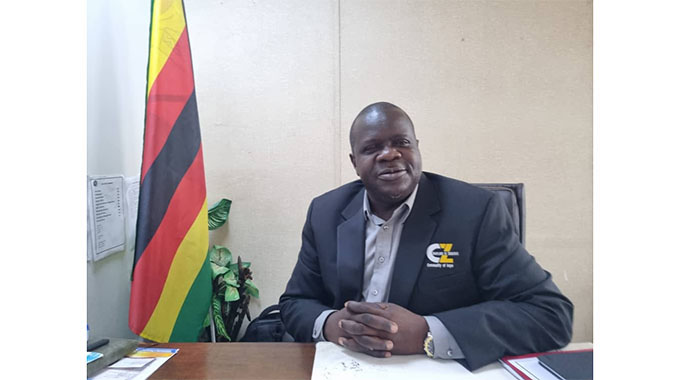
Herald Reporter
THE Zimbabwe Christian Ministers Association (ZCMA) has urged Zimbabweans to use social media responsibly, warning that the growing prevalence of online hostility, hate speech, cyberbullying and misinformation is threatening national unity and social cohesion.
In a statement issued on behalf of Spiritual Leaders for Peace, Unity and National Development, the association’s president Bishop Christopher Choto, called on citizens to exercise restraint, civility and responsibility in their online engagements, saying digital platforms should be used to build rather than divide communities.
His remarks come amid increasing concern over the misuse of social media to spread false information, incite hostility and damage reputations, at a time when digital platforms have become central to public discourse, civic participation and information sharing.
While acknowledging the transformative role of social media in promoting communication, education and citizen engagement, Bishop Choto said the benefits of these platforms were being undermined by users who exploit them to spread hatred, fuel division and sow discord within society.
“We are deeply concerned by the increasing levels of hostility, insults, misinformation and personal attacks being witnessed on social media platforms. As a nation, we must remember that our words carry great power and responsibility,” he said.
“Our digital spaces should not become battlefields of hatred and intolerance. Social media must be used to promote dialogue, understanding and national development rather than to sow discord among citizens.”
Bishop Choto said Zimbabweans, regardless of their political affiliation, religious beliefs, ethnicity or social background, had a collective responsibility to promote peace both online and offline.
He urged members of the public to refrain from amplifying inflammatory messages and instead report, block or mute individuals who consistently spread hate speech, threats and false information.
“Choosing respect over insults and constructive engagement over confrontation is essential if we are to preserve peace and unity in our nation. Every Zimbabwean has a role to play in building a culture of responsible digital citizenship,” said Bishop Choto.
He added that differences of opinion were inevitable in any democratic society, but stressed that such differences should always be expressed with dignity and mutual respect.
“Zimbabwe is our only home. Regardless of our differences, we share one destiny as a people. Let us use our platforms to heal, inspire and unite rather than divide and destroy,” he said.
The association called upon churches, parents, educators, community leaders, civil society organisations, media practitioners and public officials to actively promote responsible behaviour in cyberspace and become ambassadors of peace.
The association said responsible use of social media is critical in safeguarding social cohesion and fostering an environment conducive to national development.
The association reaffirmed its commitment to promoting peace, reconciliation, ethical leadership and responsible citizenship as part of broader efforts to contribute towards a peaceful, united and prosperous Zimbabwe.
The association is a national fellowship of Christian ministers that promotes ethical leadership, peace-building, national development and social justice through collaboration and dialogue among church leaders across the country.


 Online Reporter