Online Reporter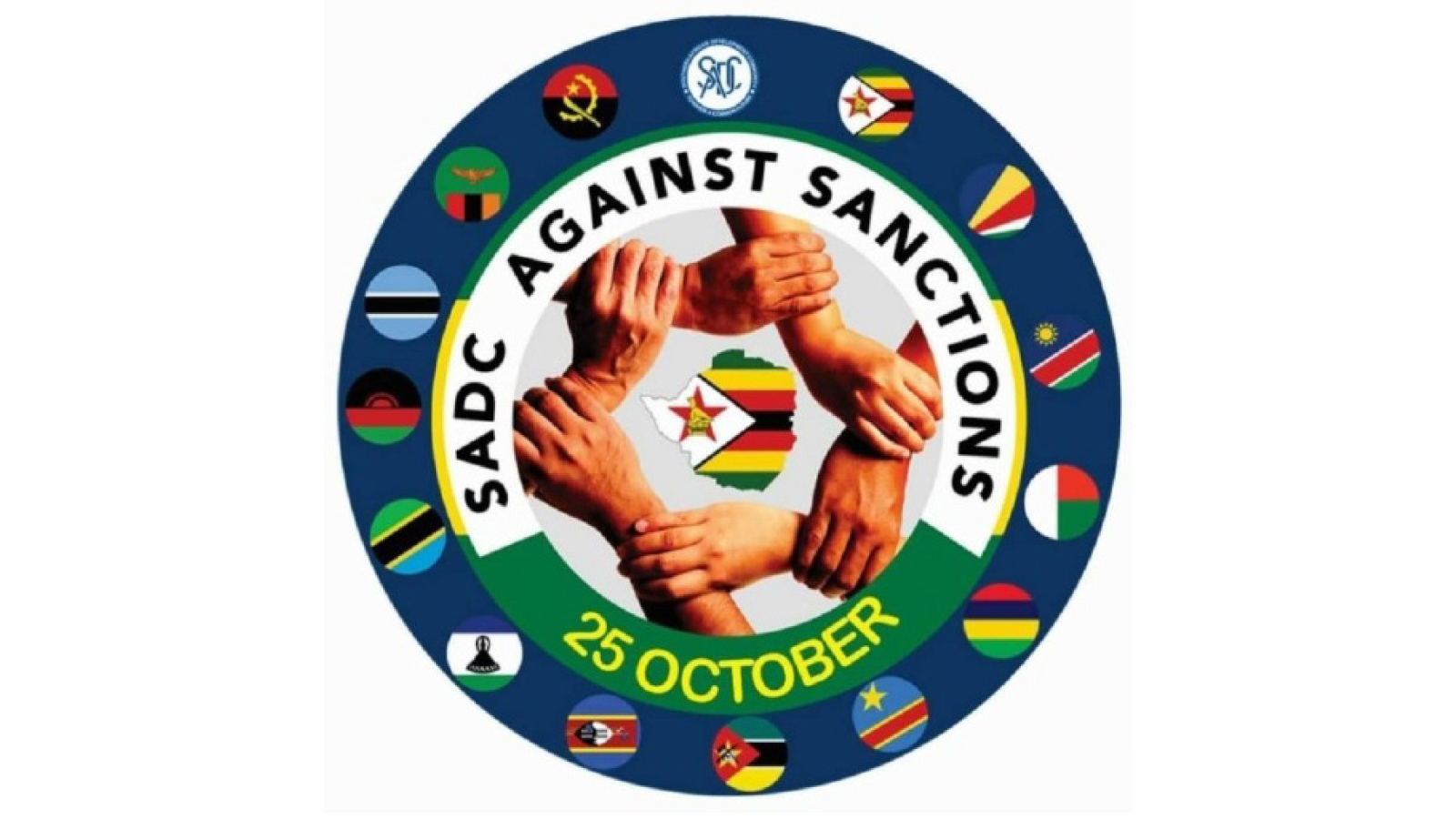
Gibson Mhaka-Zimpapers Politics Hub
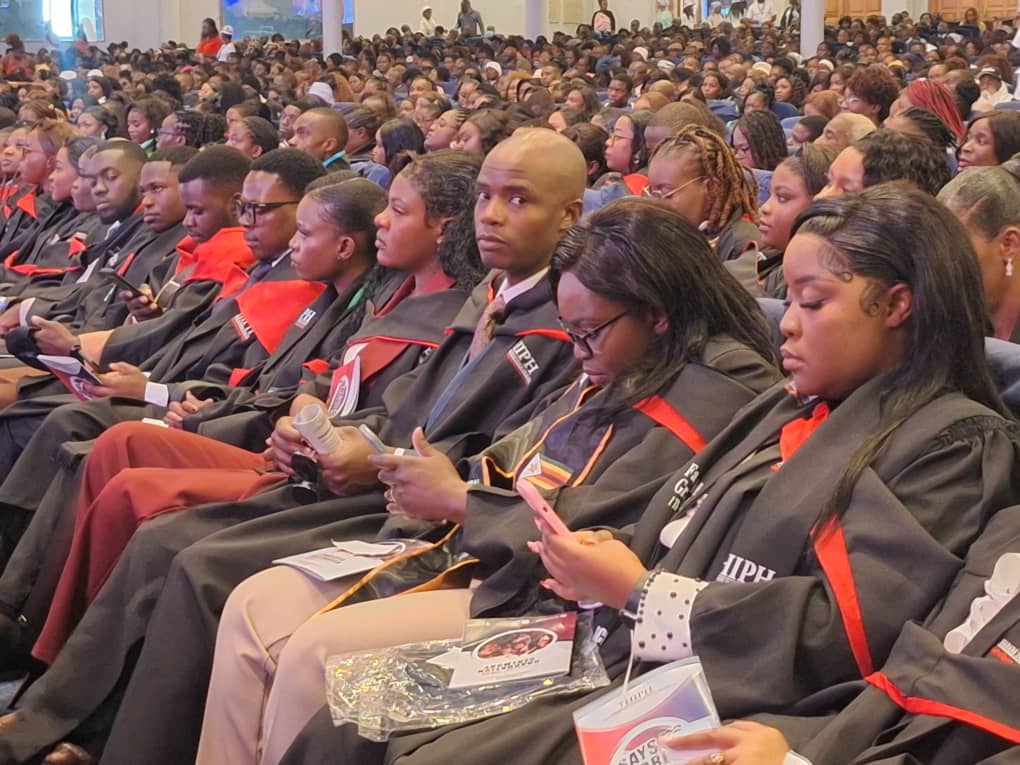
The church in Zimbabwe, historically a profound force for justice and liberation, has once again stepped into an active, heroic role, demonstrating its commitment to national well-being.
Just as religious institutions were pivotal allies in the liberation struggle, providing resources, shaping political consciousness, and advocating for human rights, their decision to join the national call for the unconditional removal of sanctions is similarly commendable.
This move, made prior to the Sadc Anti-Sanctions Day, aligns the Church with the Government and Sadc member states in the current economic struggle.
The Church’s active participation is necessary because, much like the liberation war, the current economic fight cannot be waged by the Government alone.
The Church remains a powerful force with deep roots at the grassroots level, offering moral clarity and extensive networks essential for mobilising public support.
This growing and pressing need to acknowledge and celebrate the significant role religious institutions can play in unifying support for the removal of these embargoes is being heeded by church leaders across the country.
Leaders have expressed full support for the Government’s vigorous call to lift the economic sanctions, which were imposed by Western countries following the successful implementation of the land reform programme.
This programme sought to address the historical, unequal distribution of land between the black majority and the white minority.
The church’s voice, rooted in moral authority and a history of fighting for justice, plays a pivotal role in ensuring this struggle has the necessary national and international backing.
The president of the Council of Churches in Africa (CCA), Archbishop Dr Rocky Moyo, affirmed this stance, stating, “As church leaders, we have a duty to mobilise the public against sanctions as we found it fitting to join the Government’s efforts in the fight for the removal of sanctions.
“The message is clear; we have had enough of sanctions. We want them to go.”
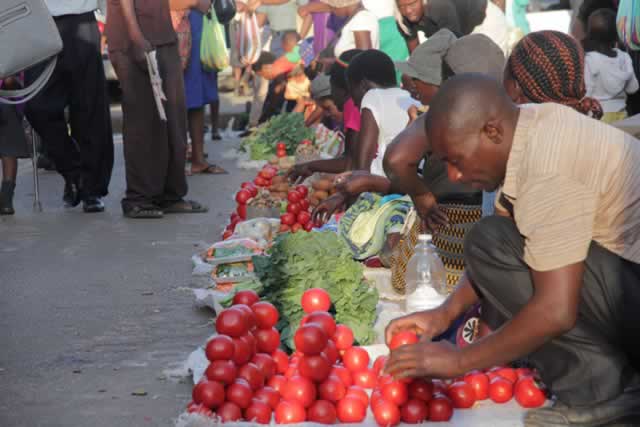
He stressed that sanctions have directly harmed poor communities, asserting that lack of access to food and health care is directly traceable to these sanctions.
He called for unity among all Zimbabweans to pressure the West.
Echoing these sentiments, Zimbabwe Synod secretary of the United Congregational Church of Southern Africa (UCCSA), Reverend Sikhalo Cele, equated sanctions to human rights abuses that particularly harm ordinary people.
He argued that from a theological and moral standpoint, the church must engage with the issue. “Sanctions have caused untold suffering for the people, eroding their human dignity and violating their human rights.
“Therefore, they have become a cause of human suffering.”
Reverend Cele also highlighted the severe impact on the Church’s own operations, noting that decreased offerings and the inability of parents to afford school fees have strained their charitable work and mission schools.
Archbishop Emmanuel Mutumwa of Johane Masowe weChishanu also declared full support, emphasising that sanctions affect everyone regardless of religious affiliation and were intended to frustrate Zimbabweans into turning against their leaders.
“The church doctrine encouraged them to support the Government and church members should follow suit.
“Sanctions are affecting everyone despite one’s religious affiliation because we have all been deprived of opportunities to prosper in our own country.
“These sanctions were meant to frustrate Zimbabweans so that they turn against their leaders,” said Archbishop Mutumwa.
The church’s support is extremely important.
Its moral authority and deep reach provide a powerful and necessary layer of legitimacy to the anti-sanctions campaign. This involvement transforms the appeal from a purely political action into a national moral imperative, aligning the struggle with fundamental values of justice and human rights.
The collaboration between the church and Government is a partnership that dates back to the days of the protracted armed liberation struggle.
As President Mnangagwa has repeatedly stated, the State and the church are inseparable.
This synergy enables them to tackle multifaceted societal issues comprehensively and effectively, promoting national values such as peace, justice, and social welfare.
In short, the church’s decision to actively join the Government’s call for the unconditional removal of illegal economic sanctions, particularly prior to the Anti-Sanctions Day, is a commendable and powerful move.
By lending its moral weight, grassroots reach, and historical authority to the cause, the church elevates the anti-sanctions campaign to a profound national imperative for the well-being of the ordinary people, thereby unifying the nation in this critical economic struggle.