admin
admin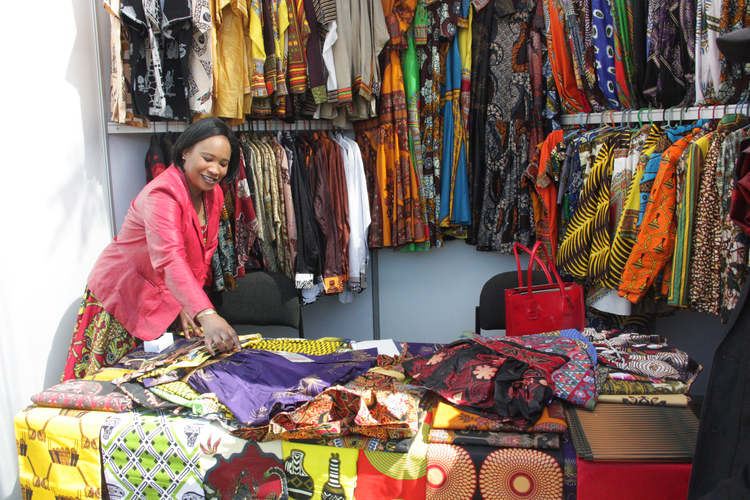

“Women in business need to have a strategic vision if they are to realise success,” said Ms Rose Vambe, one of the many budding female entrepreneurs who showcased at the inaugural Zimbabwe Women’s Business Fair (ZWBF) in Harare a fortnight ago.
Ms Vambe, a fashion designer, tailor and shop owner, eloquently summarised the direction that women in business need to take, especially considering the volatile business dynamics.
Add to that the poor exposure and limited access to funding and markets and women in business find themselves in very difficult circumstances.
“Women have a lot of great ideas, but the going is tough and so they need to adjust accordingly,” Ms Vambe told The Sunday Mail Business in an interview recently.
Small to Medium female Enterprises (SMEs) have received substantial support from Government by way of policy, financial aid and capacity building.
However, like many across Zimbabwe’s mainstream and informal economies, their SMEs have seen a steady decline in sales due to reduced consumer spend.
Noted Ms Vambe: “Personally, I paid hundreds of dollars to exhibit here. I am not expecting to make the profit right away, but I have secured orders to take me to December. I only sold US$50 worth of goods on the first day, which I have since reinvested into the business.
“Next year, I will come back because I will meet more people with new orders, and this is what others are afraid of doing, they do not want to take risks.”
Ms Vambe encouraged entrepreneurs to reinvest profits instead of spending them.
Most SMEs in Zimbabwe have failed to succeed due to this.
With lenders reluctant to extend credit to Small to Medium Enterprises (SMEs) because of lingering concerns over their capacity to repay, female entrepreneurs will be better off if they self-recapitalise, she said. It is generally believed that exhibitions provide the launch pad for emerging businesses.
Another exhibitor at the Fair, Mrs Vision Mudhaya of Lorca Clothing, said such platforms offered opportunities for creating market linkages.
Mrs Mudhaya said since the first day of the exhibition, her organisation, which manufactures baby clothing, had attracted interests from individual buyers and was optimistic bigger orders would come from retail outlets.
The ZWBF may have been poorly subscribed, but exhibitors agreed the expo was an ideal platform for learning and also providing market products and services to buyers.
Participants had an opportunity to meet bigger corporates and lenders like POSB, ZB Bank, Pacific, Savanna, Boka Tobacco, Zimnat, New Start Centre and First Mutual Life.

Ms Perpeh Ruredzo, a cosmetics, furniture and kitchen utensils retailer, indicated that the exhibition had afforded her the opportunity to push her brand.
“We are not widely known yet, but this is our opportunity to showcase what we have. Already, people have shown great interest in our products and (are) making enquiries, which is a good sign,” she said.
Equally, Mrs Jane Manhamo, who specialises in arts and crafts, was content with the interest that was shown in her wares.
She believes that women have to get out of their “comfort zones” if they are to make it in business. Her business, which started off in Murehwa as a family venture, has since spread its tentacles to other parts of the country.
“As a business person, you should not be afraid to take risks and grow. I decided to move to other centres to follow the market. If I stayed in Murehwa, things could be worse but I had to take this bold step out of Murehwa,” she said.
The exhibitors also highlighted that stiff competition from established businesses and the influx of a wide range of imports, particularly clothing, household and industrial detergents, was stiffling local business growth.
There is also a feeling that the market generally has a negative perception towards locally manufactured household cleaning detergents.
Instead, they prefer imported products.
To worsen the situation, bigger clients like wholesalers and retailers take long to meet their end of the bargain when they enter into contracts with local enterprenuers, a development that is a major setback for the businesses, noted Ms Rutendo of Atrak paints.
“We have a lot of competition from imports, especially with dish washing soap. The market prefers established brands yet we are equally good.
“But the biggest problem is that the hardwares that buy our products take time to pay for the goods we supply,” she said.
ZWBF chairperson, Ms Vongai Marime said women needed to take advantage of such initiatives and platforms in order to improve their participation in industry and commerce.
She conceded that Government had done its part in recognising the role of women in business and the impetus was now on women to use the opportunity well.
Most of the businesses that exhibited at the ZWBF are into cosmetics, fashion and fabrics, cookery and chicken rearing.
With Zimbabwe’s economy currently experiencing significant headwinds, many people, including university graduates, have found succour in the informal industry.
Estimates from the Zimbabwe Statistical Agency (Zimstats) suggest that the informal sector now employs over 85 percent of Zimbabweans.
However, most SMEs, despite handling significant business, are not feeding into the mainstream economy.
Government, which projects that there is more than US$7 billion that is circulating in the informal sector, has a dedicated ministry for both small and medium scale enterprises.
In the 2015 National Budget, the ministry was allocated about US$5 million.



 Online Reporter