Online Reporter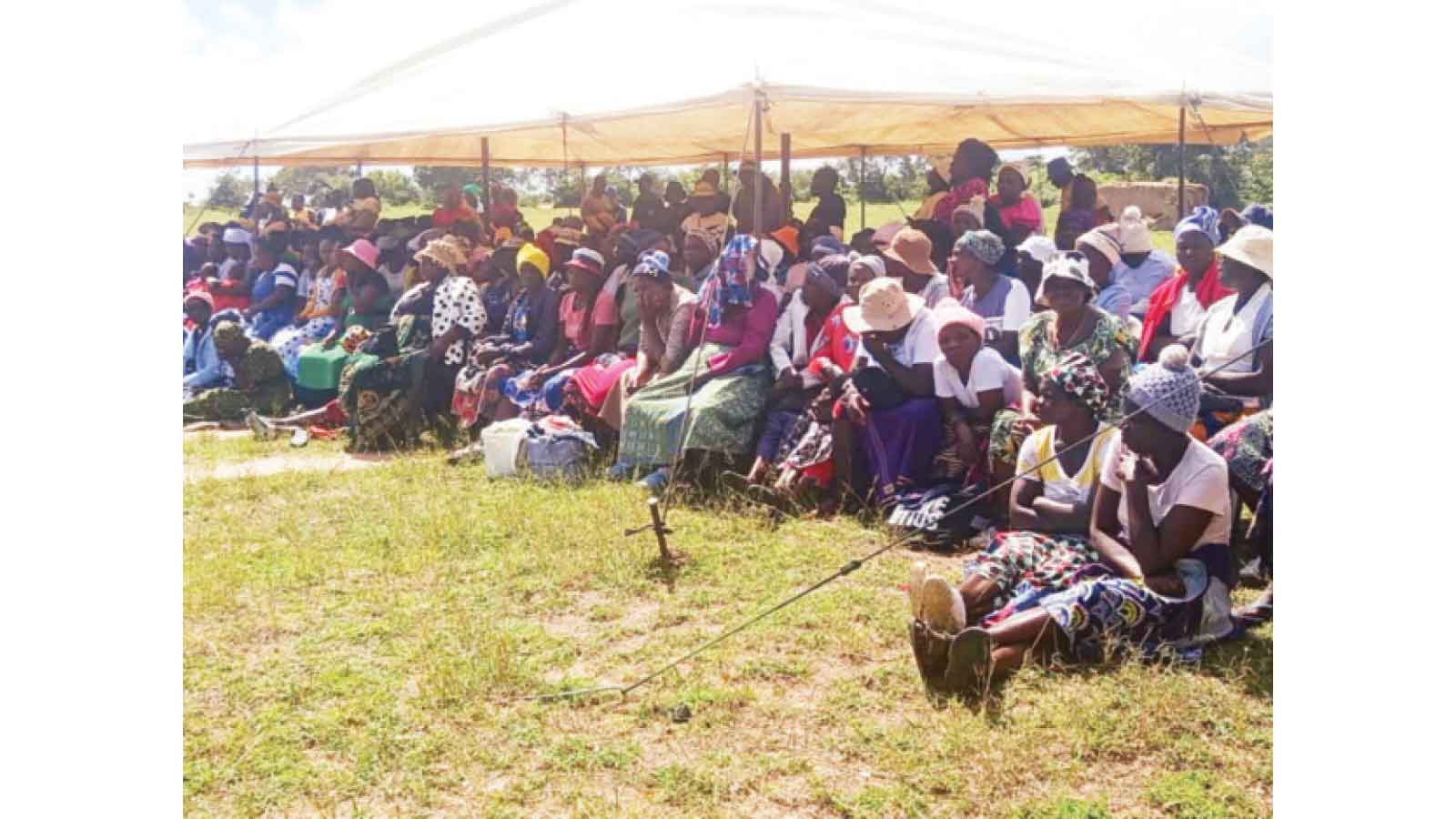
MacDenias Moyo
The unfolding story of Constitutional Amendment No. 3 Bill is one of the most powerful demonstrations of democratic participation Zimbabwe has witnessed since independence.
It is not simply about a legal text or parliamentary procedure. It is about a people who have chosen to rise above the toxic politics of the past and embrace a new era of institutional democracy, stability and development. The unprecedented turnout at the Public Hearings beginning on March 30, 2026, has shown beyond doubt that Zimbabweans are determined to make their voices heard and to shape their destiny with clarity and conviction.
Long before the official consultations began, the nation had already mobilised itself. Citizens across Zimbabwe took to social media, creating personalised posters with their faces boldly displayed in support of the Bill. This was not a campaign orchestrated by elites but a genuine grassroots movement.
It was a declaration by ordinary Zimbabweans that they understood the importance of CAB3 and that they were ready to own the process. By the time the hearings opened, the momentum was unstoppable.
On the first day, hundreds of thousands of Zimbabweans poured into halls across the country. The turnout was historic. Venues were filled to capacity, with citizens spilling into the streets. Many exited after speaking to allow others entry, ensuring that every voice could be heard. This was democracy in its purest form, not the shallow rhetoric of politicians but the lived reality of a people determined to shape their future. They spoke overwhelmingly in support of CAB3, recognising that it promises an end to violence, an end to disputes and the birth of leadership chosen through institutional democracy rather than personality cults.
The second day, March 31, saw an even greater turnout. Cities, towns and rural centres were overwhelmed by citizens eager to participate. In Harare, the City Sports Centre became a focal point. Scores of opposition members attended despite their earlier calls for boycotts. Figures such as Fadzai Mahere, Tendai Biti, Professor Lovemore Madhuku and Morgan Komichi, who had urged citizens to stay away, were themselves present to air their views.
Their attendance exposed the hypocrisy of career opposition, people who thrive only when the nation suffers. They had tried to manufacture a crisis, insisting on a referendum, but the people refused to be misled.
Opposition leaders are relevant only when inflation is high, when shelves are empty, when the economy falters. But Zimbabwe today is on a path of recovery. Vision 2030 policies have stabilised inflation since 2018, ensured food sustainability and driven infrastructural development.
The mining sector is booming, industries are opening, supermarkets are stocked and employment is being created daily. In such an environment of progress, opposition rhetoric rings hollow.
Knowing they lacked the numbers to stop CAB3, opposition ranks attempted to disrupt hearings. They spread false narratives of violence, tried to provoke citizens into fights and manufactured stories of irregularities. Yet the people remained calm, disciplined and focused. Zimbabweans spoke with one voice. They want peace, unity and uninterrupted development. They want to move beyond toxic populism and embrace institutional democracy. They want leadership chosen through systems, not personalities.
The opposition’s claim that ZANU PF was bussing people to hearings is another hollow narrative. In politics, mobilization is not only allowed but essential. Every party mobilises for its agenda. Just as the opposition mobilized on social media against CAB3, the ruling party mobilised citizens to attend hearings. This is democracy. To cry foul over mobilisation is to misunderstand politics itself. Keyboard warriors may rage online, but the real Zimbabwe, the grassroots, was present in the halls and streets, speaking in support of CAB3.
CAB3 is not an isolated reform. It is part of a broader trajectory under Vision 2030, which has already delivered tangible progress. Zimbabwe is producing enough food to feed itself. Roads, dams and energy projects are rising across the nation. Inflation has been kept under control since 2018. Gold, platinum and lithium are driving growth in the mining sector. Factories are reopening, industries are expanding and supermarkets reflect a stable supply chain. Employment opportunities are growing daily and reforms are making Zimbabwe a more attractive investment destination.
This is why CAB3 resonates with citizens. It is not just about constitutional text. It is about safeguarding the progress already achieved and ensuring uninterrupted development. Zimbabweans are saying openly that it is not wrong to learn from Botswana, South Africa and other nations whose electoral and political processes have ensured peace and unity. CAB3 aligns Zimbabwe with these models, protecting the nation from the instability of populism and personality-driven politics. Citizens want an environment where business thrives, where empowerment exists and where opportunity is fostered. They are tired of being torn apart by politicians. They want continuity, stability and growth.
The hearings have shown that Zimbabweans are not passive spectators. They are active participants in shaping their future. Their support for CAB3 is overwhelming, their turnout unprecedented, their discipline commendable. Opposition leaders may attempt to sow discord, but the people have spoken. They want peace, unity and development. They want institutional democracy. They want Vision 2030.
The Constitutional Amendment No. 3 Bill is more than legislation. It is a declaration of intent by the people of Zimbabwe. It is their voice, their vision, their demand for stability and progress. From personalised posters on social media to packed halls across the nation, citizens have come out in their millions to support CAB3. They have made their voices heard and they have done so with dignity, discipline and determination.
Zimbabwe is entering a new era. An era without violence, without disputes, without toxic populism. An era of institutional democracy, economic growth and national unity. The hearings end on April 2, 2026, but the message is already clear. Zimbabweans have chosen progress. They have chosen peace. They have chosen CAB3.