Nqobile Bhebhe, Senior Features Writer
FOR a very long time, the journey to an academic future for learners at Cituripasi Secondary School in Beitbridge had been arduous. It was defined by long distances, dangerous terrain and the constant temptation of abandoning school for uncertain opportunities across the border in neighbouring South Africa.
Located on the fringes of Zimbabwe’s border with South Africa, the school serves communities where learners often walk several kilometres daily, navigating isolated pathways, wildlife-prone areas and harsh weather conditions to attend classes.
For girls, the risks were even greater, with exposure to abuse, harassment and other dangers that frequently threatened their education.
Today, a modest but transformative boarding facility is changing that reality, offering safety, stability and renewed hope while helping keep vulnerable learners in school.
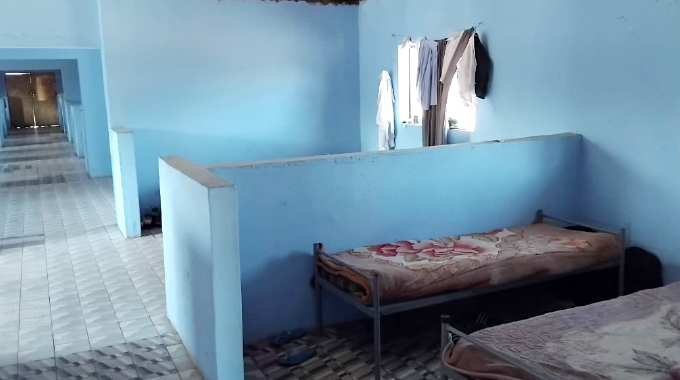
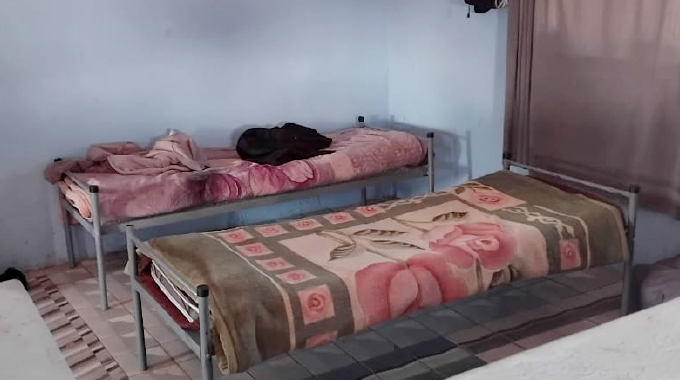
The girls’ hostel, which is nearing completion, has capacity for 64 learners and is already accommodating 51 girls, showing the growing demand for secure boarding facilities in the border community.
The initiative, launched in 2014, was driven by the need to protect vulnerable learners and improve access to education in one of Beitbridge’s most remote schooling environments.
School head Mr Simiso Ndlovu said the programme began as a small intervention for girls who travelled long distances to school but has since evolved into a critical community support system.
“The programme has been going on since 2014 but it was a struggle. We had 10 girls when we started,” he said.
“I had very understanding teachers who also at some point agreed that we share one house and create space for the girls.”
Mr Ndlovu said the school later formalised the initiative into an affordable boarding facility to cater for learners from distant feeder schools.
“We are implementing what we call an affordable boarding facility as feeder schools are very far from us,” he said.
“We targeted the girl child as they face many challenges and what makes the situation worse is that we are closer to the South Africa border. Some opt to skip the border to South Africa and end up falling pregnant.”
The school’s proximity to the border has exposed learners to migration pressures, with stories of jobs and better opportunities across the Limpopo River tempting some to abandon their studies.
Community leaders say many who cross into South Africa often encounter exploitation, hardship and limited prospects, leaving some regretting their decision to leave school.
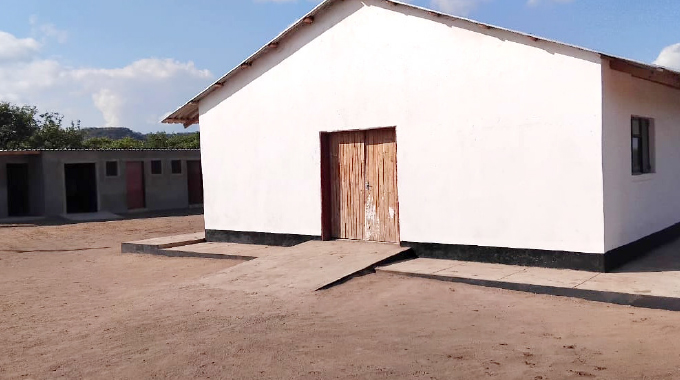
Against this backdrop, the boarding facility has become a stabilising force, helping learners prioritise education over risky migration pathways.
Faced with limited accommodation and growing demand, Mr Ndlovu at one stage surrendered his own school cottage to house learners.
“Initially, I gave up my own school cottage to accommodate girls and along the way, the boys too showed interest,” he said.
The move provided immediate relief for learners who were at risk of dropping out because of distance and safety concerns.
“So with the help of development partners, we thought of building the hostel to accommodate girls and it’s almost complete,” said Mr Ndlovu.
The project has since expanded to accommodate both girls and boys within a structured residential learning environment.
“What is now left is electrification,” said Mr Ndlovu, who recently appealed to Energy and Power Development Minister July Moyo to assist with connecting the facility to the electricity grid.
To further support learners, the school introduced a feeding programme in 2025 to improve concentration and eliminate delays caused by food preparation.
“Last year, in 2025, we started a feeding programme because students used to bring their own food but that created problems of being late for classes as they had to cook before classes,” he said.
Before the boarding facility was established, many learners left home before dawn and returned after sunset, often walking through unsafe terrain.
During the rainy season, flooding and poor road networks frequently disrupted attendance and increased the risk of dropouts.
One of the beneficiaries, Irene Nyandoro, said the facility had transformed learners’ lives.
She thanked the Government, through the Ministry of Primary and Secondary Education and development partners for supporting the project.
“In the past, we used to come across elephants while on our way to school or back home,” she said.
“Also, chances of being abused in the bush were high and we did not have time to study at home because of critical household tasks we had to do.
“With this facility, we can concentrate on our studies like other students elsewhere.”
Teachers say the boarding facility has significantly improved attendance, punctuality and classroom engagement, while creating a stronger academic culture centred on learning.
Beyond academics, it has strengthened social cohesion through peer mentorship, collaborative study and mutual support among learners.
Another learner, Khuliso Ndou, said the facility had removed the burden of long-distance travel and allowed students to focus on their education.
“This facility is really changing my study work as I can put maximum effort without worrying about long daily distances walking to and from school,” she said.
“As girls, we encourage each other to study diligently and not think about crossing to South Africa. We also have teachers who are dedicated to helping us in our studies.”
Parents and guardians have also welcomed the initiative, saying it has reduced dropout risks and provided peace of mind that learners are safe and focused.
However, demand for boarding accommodation continues to outstrip available space.
The school still requires additional dormitories, beds, mattresses and sanitation facilities, while electrification, solar energy systems, improved water supply and enhanced security infrastructure remain key priorities.
For this border community, the facility represents far more than accommodation.
Teachers said it is a safeguard against dropping out of school, a deterrent to risky migration and a bridge to educational opportunity.
Most importantly, it demonstrates how targeted investment in rural education infrastructure can transform lives and strengthen community resilience in Zimbabwe’s border regions, they said.