

 Online Reporter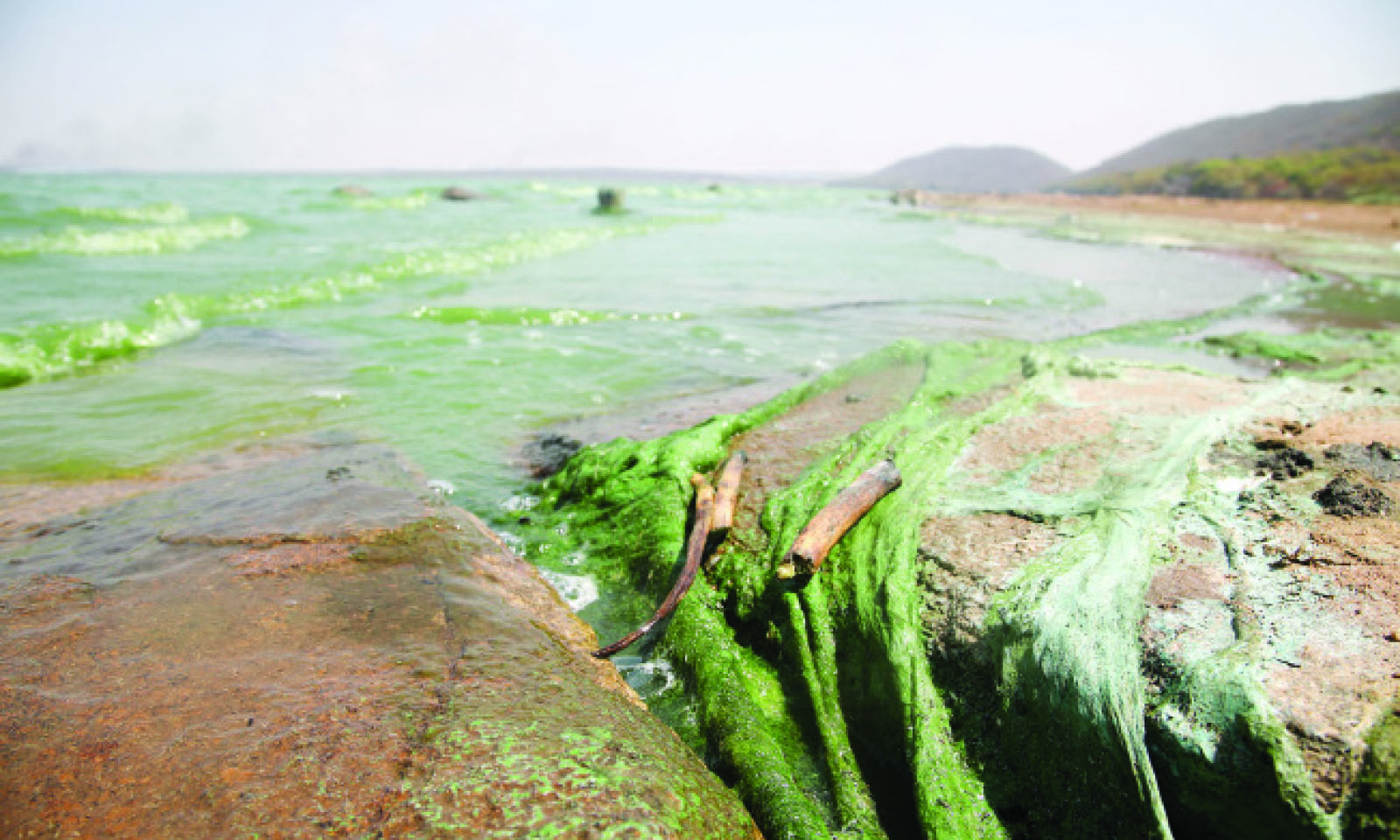
Remember Deketeke
The replacement of a major trunk sewer line in Harare that is discharging about 80 megalitres of raw sewage daily into Lake Chivero is set to begin within weeks, in a move expected to significantly reduce pollution, lower water treatment costs and improve public health outcomes.
The damaged 2,6-kilometre pipeline, located at the Amalinda Stream crossing, is a critical link in the city’s sewer network, carrying waste from the Simon Mazorodze Road corridor to the Firle Sewer Treatment Works.
Currently, the ageing and failing line is releasing large volumes of untreated sewage into the environment, with the waste flowing through the Mukuvisi River before eventually reaching Lake Chivero – Harare’s main source of drinking water.
The pipeline has become one of the biggest contributors to pollution in the lake, forcing the city to spend heavily on water purification.
Harare uses up to 10 different water treatment chemicals and spends an average of US$1,5 million per month on water treatment, highlighting the growing cost of supplying clean water amid rising contamination levels.
Harare Mayor Councillor Jacob Mafume, said the rehabilitation project would be funded through devolution funds, with contractor Watermark Technologies, expected to move on site once final preparations are complete.
“We expect work to commence within the next 30 days. Once completed, this project will significantly reduce the amount of raw sewage finding its way into Lake Chivero,” he said.
“The pipeline is old, damaged and can no longer cope with the demands being placed on it. Its replacement is critical.”
Mr Mafume said the project goes beyond infrastructure rehabilitation and speaks directly to public health and environmental protection.
“This is not just a construction project. It is about protecting the health of residents, preserving our environment and ensuring that Harare has a sustainable water supply,” he said.
He noted that the Amalinda pipeline is only one part of a much larger infrastructure challenge facing the capital.
Large sections of Harare’s sewer and water systems were built decades ago and have not kept pace with rapid urban expansion, resulting in frequent pipe bursts, blockages and sewage overflows in many suburbs.
“This is not an isolated problem. Across the city, we require significant investment in infrastructure. For too long, maintenance was delayed and systems deteriorated,” said Mr Mafume.
“We are now focusing on practical solutions that restore dignity to residents and improve service delivery.”
The city is also working on long-term interventions, including rehabilitation of sewer treatment plants, replacement of ageing pipelines and stricter enforcement of urban planning regulations.
Mr Mafume raised concern over illegal structures and farming activities along sewer servitudes, warning that they are contributing to pipe damage and could delay repair works.
Some of the structures, he said, may need to be removed to allow access to underground infrastructure.
“It is never easy when enforcement action has to be taken, but we must protect essential public assets. Sewer lines cannot be built over or blocked because the consequences affect the whole city,” he said.
Harare relies heavily on Lake Chivero for potable water, making efforts to curb pollution critical to the city’s water security.
The city has previously experienced cholera outbreaks, with failing sewer infrastructure identified as a major contributing factor.



