Online Reporter
Victoria Ruzvidzo-Editor’s Brief
Enter Elizabeth Gwaunza, Zimbabwe’s first female Chief Justice.
She is now three days in office.
The celebrations are huge, right from the minute her appointment was announced. But it looks like they are actually about to start in earnest. Much pomp and fanfare awaits her swearing in.
A few days ago, we wanted to get her comments and her office politely told us that would happen as soon as she is sworn in. Quite logical this. We believe much celebration will follow. We all await with great anticipation.
Chief Justice Gwaunza has become one of only 10 such women in the whole wide world! Six of them are in Africa. The supposed dark continent is showing the light. Story for another day.
Hats off to President Mnangagwa for his astute and visionary leadership that has seen him appoint women to key positions in this country. He does not hesitate where he sees that a woman fits the bill. Resultantly, the judiciary system is now firmly in the hands of able women as shown above.
The Second Republic’s strength includes its ability to recognise potential, reward merit, and build institutions that reflect the aspirations of its people. It is within that spirit that we celebrate the appointment of the first female Chief Justice.
This appointment is not merely a personal triumph for the remarkable jurist. It is a milestone towards equality, justice and inclusive governance. It demonstrates that the highest offices of law belong to those who demonstrate excellence, integrity, and the intellectual discipline required to safeguard the justice system.
CJ Gwaunza’s elevation has sent a message of hope and possibility to women and girls across every province, every community, and every profession that it can be done and that the system is not blind to excellence. It rewards it. With decades of excellent delivery, she perfectly fits the shoes left by her predecessor Justice Luke Malaba.
He did a sterling job and we wish him all the best in his endeavours.
A Chief Justice is not simply the face of the judiciary, they are the custodian of legal continuity, judicial integrity, and the credibility of courts in the eyes of the public. Without gleaning into the terms of reference, the role naturally demands exceptional mastery of the law, unwavering impartiality, and the leadership to navigate complex cases with fairness and consistency.
It also requires an ability to strengthen the justice system itself — through reforms, prudent administration, and a commitment to access to justice.
We have no doubt whatsoever that CJ Gwaunza will excel in her new role.
The significance of her appointment, therefore, lies in the convergence of experience and trust. Such an appointment represents confidence in the legal acumen and leadership capacity of a woman whose career has demonstrated the exact qualities the nation expects from the Judiciary at the highest level.
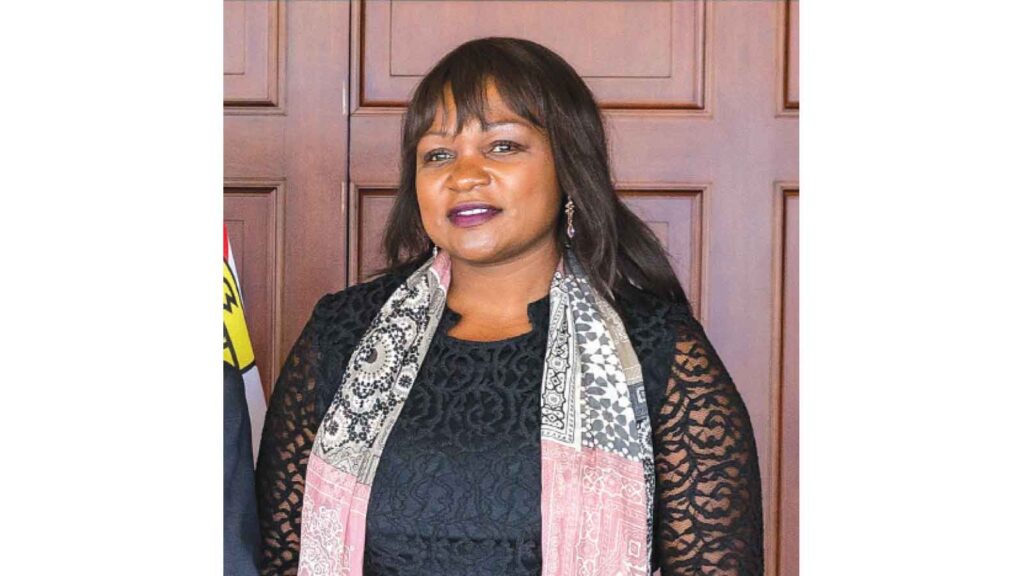
Attorney-General Mrs Virginia Mabiza
In celebrating this appointment, we also celebrate what it represents: an affirmation that Zimbabwe’s talent pool is broad, its future is capable, and its institutions can evolve to reflect the diversity of its citizens. When merit is recognised regardless of gender, societies gain more than fairness — they gain strength.
Legal systems benefit from perspectives that enrich reasoning and deepen understanding of the realities faced by ordinary people. The appointment of a female Chief Justice is a step toward a Judiciary that is not only impartial in theory, but also responsive in practice.
As stated earlier, the heart of this historic milestone is leadership. The President deserves commendation for empowering and elevating women — particularly in the Judiciary, and beyond.
Presidential leadership sets the tone for national priorities. It influences which voices are heard, which careers are supported, and which values become institutionalised in governance.
By appointing CJ Gwaunza, the President has demonstrated that gender equality is not treated as a slogan or symbolic gesture. It has been translated into action: a concrete measure that places women in decision-making roles where their influence shapes the future.
Such appointments help break entrenched patterns that for too long have limited women’s access to high-level authority in legal and governance structures.
Historically, women often faced invisible barriers — biases about leadership styles, doubts about intellectual authority, and assumptions that the courtroom is an inherently masculine environment. Yet the Judiciary is a profession grounded in competence, discipline, and legal reasoning — not in stereotypes.
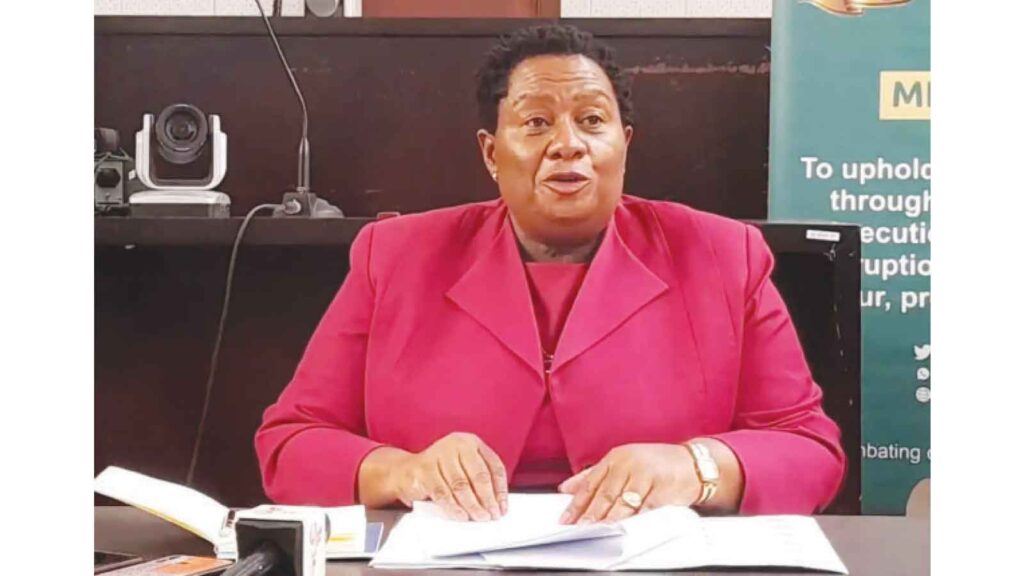
Prosecutor-General Matanda-Moyo
The appointment of a woman to the topmost judicial position proves that when opportunity is extended fairly, excellence rises to meet it.
More than anything, this appointment sets an example. It tells aspiring female lawyers that their ambitions are valid. It tells women who have invested years in study and service that this is not in vain, it can lead to the highest appointments.
It tells the public that Zimbabwe’s leadership recognises capability rather than tradition, vision rather than limitation.
The appointment of a female Chief Justice is also quite transformative. It will have ripple effects that extend far beyond the courtroom. When women are elevated into powerful roles, entire sectors begin to shift. Young professionals witness tangible proof that gender does not disqualify one from leadership.
Human resources policies become more inclusive as institutions prepare for women at decision-making levels.
Mentorship flourishes because more senior women become visible models for younger generations. Even public confidence grows when citizens see representation in institutions that serve them.
The President’s efforts in empowering women across sectors is inimical to fostering effective national development discourses. Gender equality in leadership is a national asset. It improves governance by diversifying perspectives and experiences, and it strengthens public trust by making institutions appear more reflective of the communities they serve.
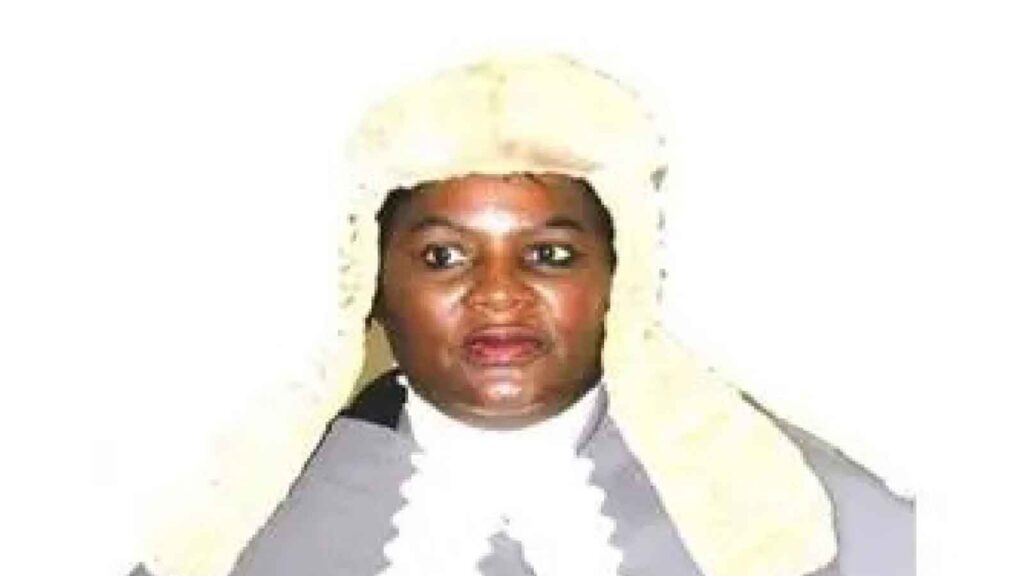
Judge President Zimba-Dube
Besides, the emotional intelligence that women possess in high doses is critical in navigating modern day challenges that afflict the economically active demographic.
Across education, health, finance, civil service, and public administration, women’s advancement strengthens national development. Women bring not only capability, but also resilience, and they often approach leadership with a combination of clarity, discipline, and a deep sense of responsibility.
When women are included in leadership pipelines, countries gain leaders who are more likely to prioritise long-term societal impact — because many of them have firsthand understanding of the barriers that development efforts must overcome.
The President’s approach — elevating women in the Judiciary and other sectors — signals a belief in national unity through equality. It encourages a countrywide culture where achievement is measured by contribution, not by gender.
One of the most profound outcomes of this appointment is inspiration. It is difficult to overstate how powerful representation can be for a young girl standing at the crossroads of her future.
For decades, many girls have been told — directly or indirectly — that certain professions are “not for them.” Some messages come through textbooks that lack female role models.
Some arrive through cultural assumptions about who should lead and who should follow. Some are embedded in workplace practices that create unequal access to mentorship and advancement.
But when a nation appoints its first female Chief Justice, it clears away a significant portion of doubt. It expands what is imaginable. It communicates that excellence has no gender limits. It encourages girls to pursue academic discipline, to consider careers in law, to believe that their dreams can become reality.
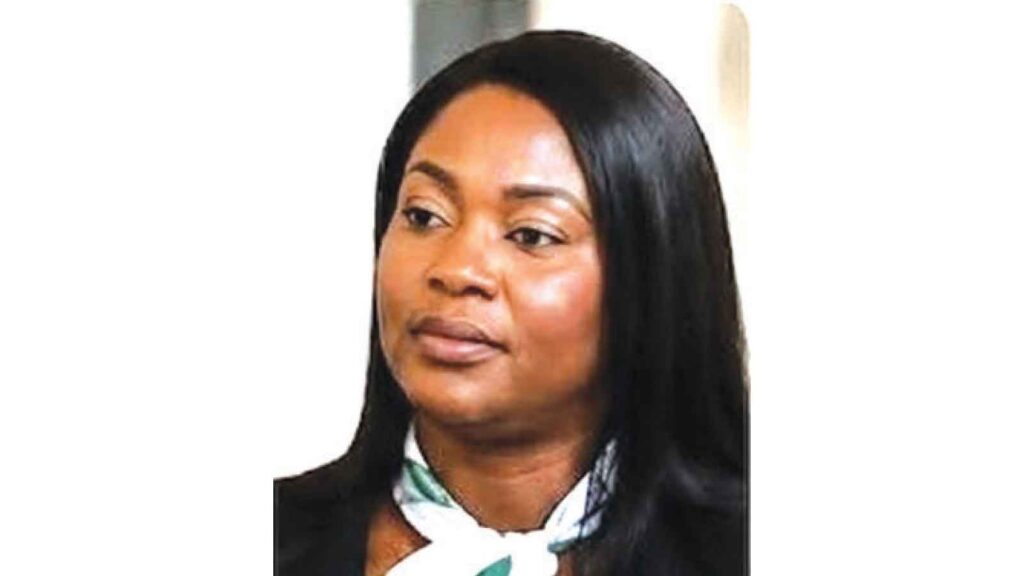
Chief Magistrate Guwuriro
This is not merely an emotional benefit, it is a practical one. Societies that invest in the confidence and ambition of girls benefit in the long run through higher educational attainment, stronger professional participation, and healthier communities. When women feel empowered to aim high, the entire workforce improves.
A question often asked is what can a country or the world at large achieve if it leaves behind 52 percent of its population-women?
The new Chief Justice thus becomes more than a national leader — she becomes a symbol of possibility, and a living argument for expanding opportunity not just in the judiciary but everywhere.
Furthermore, a female Chief Justice, appointed with national trust, brings the possibility of a leadership style shaped by lived experience as well as rigorous professional training.
In many settings, female leaders often cultivate collaborative approaches while maintaining firm accountability. This can help strengthen the Judiciary as both a professional institution and a public service.
The appointment of CJ Gwaunza is an achievement that reflects a broader national value: the belief that equality is not optional. It is essential. It is not a favour. It is a right.
By choosing a woman for the Judiciary’s highest post, the President reinforces the idea that Zimbabwe’s laws and institutions must reflect the people they serve.
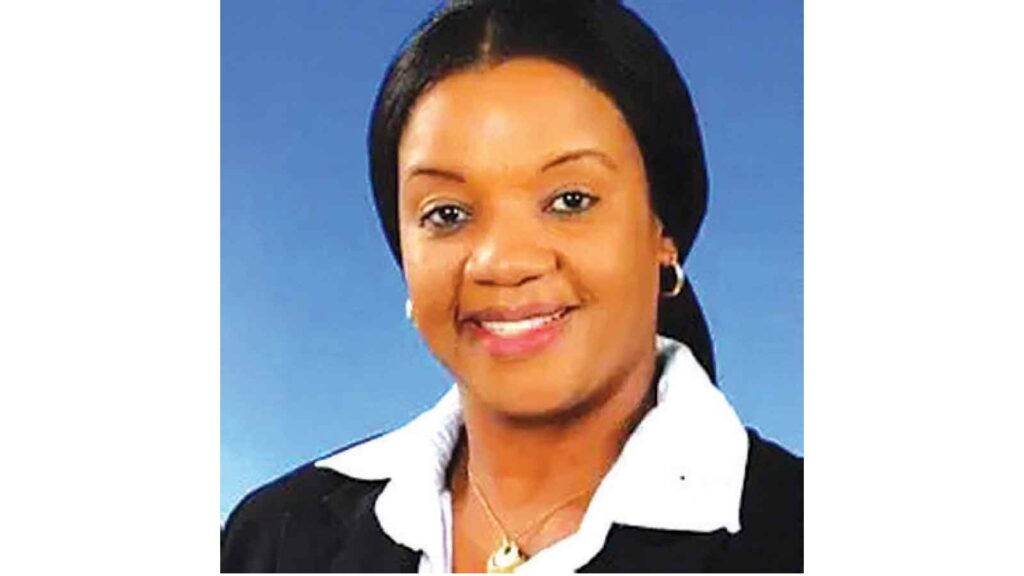
Permanent Secretary Nyemba
Justice is stronger when it is administered by leadership that understands the full range of citizen experiences. In that sense, this appointment can be seen as part of a national commitment to justice that is not only legally sound, but socially resonant.
The President’s commendable work in empowering women in the judiciary and other sectors demonstrates leadership grounded in action. This is how policy becomes reality. This is how rhetoric becomes transformation.
Indeed this country stands at an exciting point in its history. The appointment of the first female Chief Justice is a historic milestone, one that deserves national applause and deep respect.
It honours the excellence of the individual appointed. It validates the potential of women in the legal profession and beyond. And it reflects decisive leadership — particularly by the President — who has chosen to elevate women into roles where they can shape national development.
As Zimbabwe celebrates this achievement, we should do more than praise, we should commit to supporting the systems that make such progress possible. We should celebrate the appointment today and ensure that the future contains many more women in leadership positions — women who lead schools, manage institutions, shape policy, administer justice, and build communities with courage and competence.
Zimbabwe’s first female Chief Justice is not simply a breakthrough. She is a promise — that the highest offices are attainable, that talent has no gender, and that justice grows stronger when leadership reflects the nation in its full diversity.
In God I Trust!
X handle: @VictoriaRuzvid2; Email: [email protected]; [email protected]; WhatsApp number: 0772 129 972.