Chronicle Editor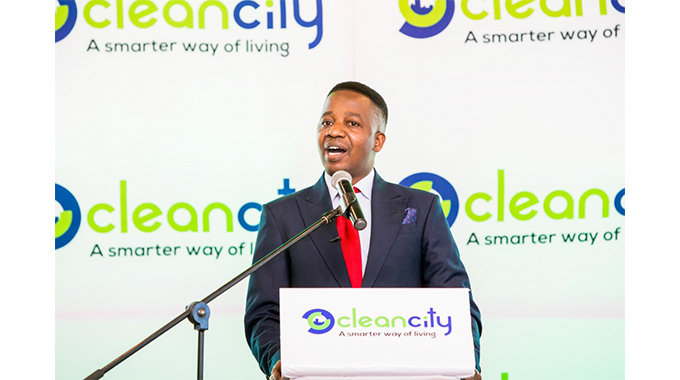
CLEAN City Africa is acquiring old and damaged electrical gadgets from consumers as it moves into electronic waste (e-waste) management.
E-waste typically includes discarded computer hardware; monitors, motherboards, mobile phones and chargers, compact discs, headphones, television sets, air conditioners refrigerators, cameras, scanners, manufacturing control equipment, and medical devices.
Clean City chief executive officer Mr Lovemore Nyatsine said his organisation was concerned about the unsafe and hazardous handling of used electronic hardware that he said results in harm to human health and the environment.
“There are problems with open-air burning (of electronic components) which expose consumers to harmful substances. There are also problems with toxic materials leaching into the environment,” he said.
“These practices can expose people to high levels of contaminants such as lead, mercury, cadmium and arsenic which can lead to irreversible health challenges, including cancers, miscarriages, neurological damage and diminished intelligence quotients (IQs).”
Zimbabwe, like most developing countries, receives a significant amount of second hand electronic gadgets from developed countries, which are then not properly disposed of when they break down or are beyond use, resulting in public health and environmental concerns.
A recent report by the United Nations Environment Programme revealed that thousands of tonnes of e-waste are falsely declared as second-hand goods and exported from developed to developing countries, including waste batteries falsely described as plastic or mixed metal scrap, and cathode ray tubes along with computer monitors, misleadingly declared as scrap metal.
Mr Nyatsine said the availability of low costs electronic gadgets has also become a huge concern for many countries that already lack infrastructure for environmentally sound e-waste management.
“To protect citizens and our environment from further harm, Clean City decided to buy old and damaged electronic gadgets for safe disposal. We have the critical skills and infrastructure needed to handle e-waste,” he said.
To sell your old broken electronic gadgets at home or office, customers simply have to get in touch with Clean City on +263 777 222 881 or +263 787 111 491.
The safe disposal of e-waste by Clean City is in line with a recent UN report that advised that lowering the amount of electronics entering the waste stream and improving end-of-life handling are essential for building a more sustainable economy, where waste is reduced and resources are conserved and fed back into the supply chain for new products.
Clean City was established in 2019 to provide waste collection and disposal services in collaborative partnerships with communities, municipalities, governments and business.
Using entrepreneurial approaches and technology, Clean City is deploying smart waste management solutions that help to keep communities and environments clean and safe, while transforming lives through the creation of business and employment opportunities.
Through its waste collection business, Clean City generates millions of metric tonnes of waste. This waste passes through our Material Recovery Centres where it is sorted and all the recoverables and recyclables sorted.
Mr Nyatsine said as the green awareness trend and eco-consciousness increases, the demand for recycled products is also increasing.
“Harmful chemicals and greenhouse gasses are released from rubbish in landfill sites. By recycling we help reduce the pollution caused by waste. Recycling reduces the demand for raw materials and also the demand for huge amounts of energy used in processing raw materials,” he said.



 Online Reporter