Online Reporter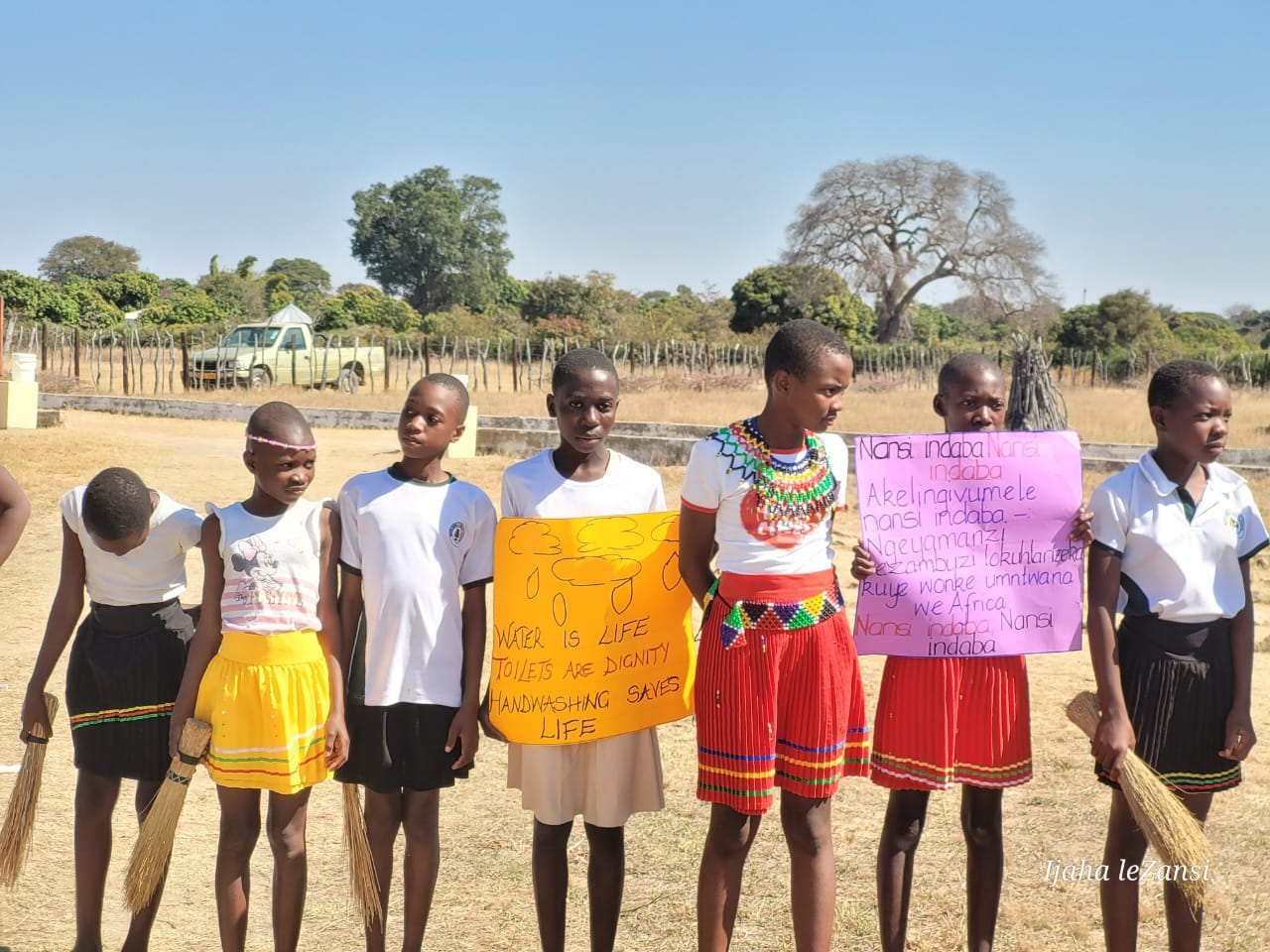
Johnsias Mutonhori and Locadia Mavhudzi, Zimpapers Writers
VUNGU Rural District Council has reaffirmed its commitment to expanding access to clean water, sanitation and hygiene (WASH) services, saying the initiative is critical to protecting children’s health, improving school attendance and advancing the Government’s development agenda of leaving no one and no place behind.
The local authority said universal access to safe drinking water and sanitation is critical to improving public health and is inline with targets set under the National Development Strategy 2 (NDS2), which prioritises quality social services, human capital development and sustainable infrastructure.
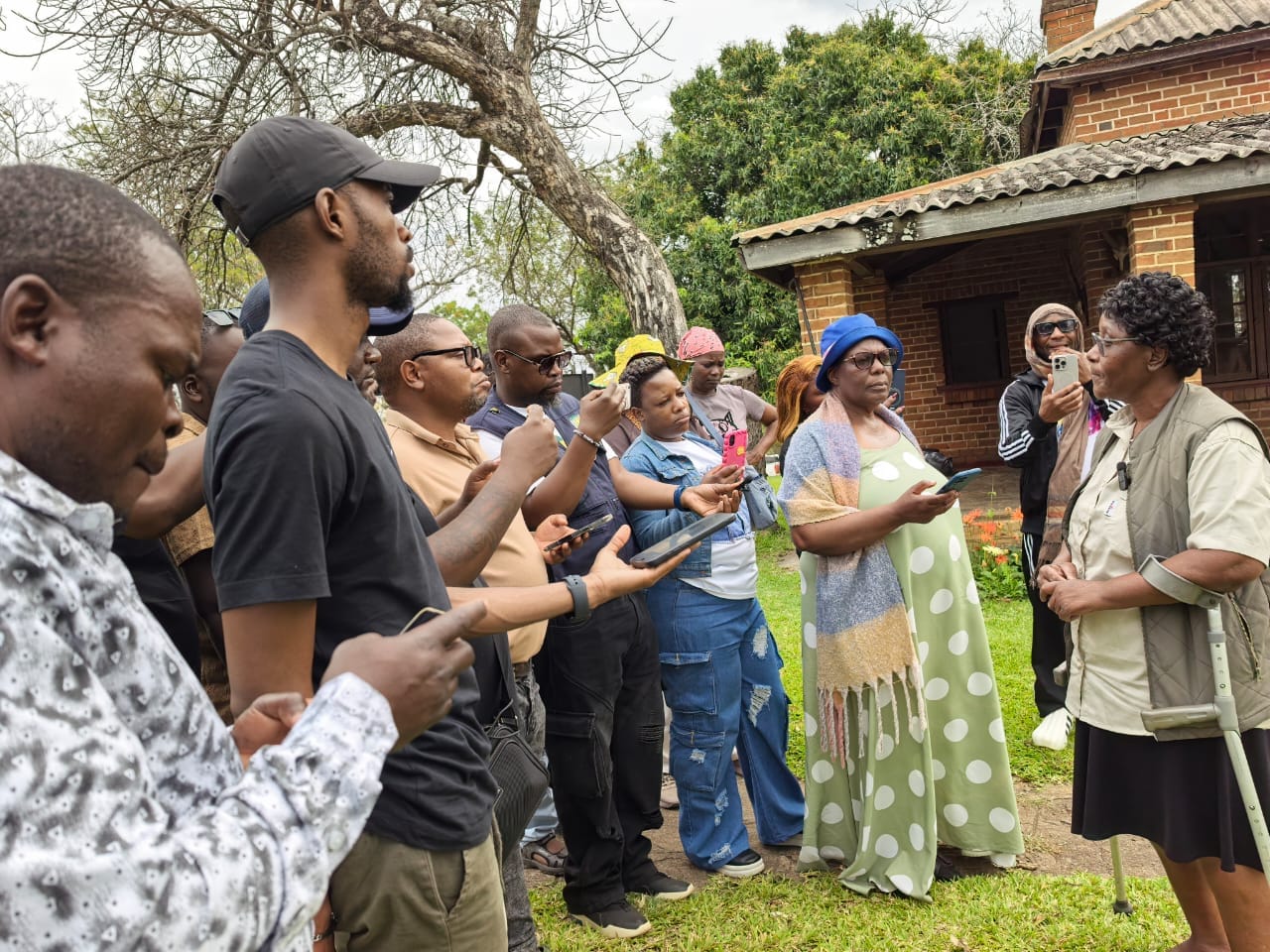
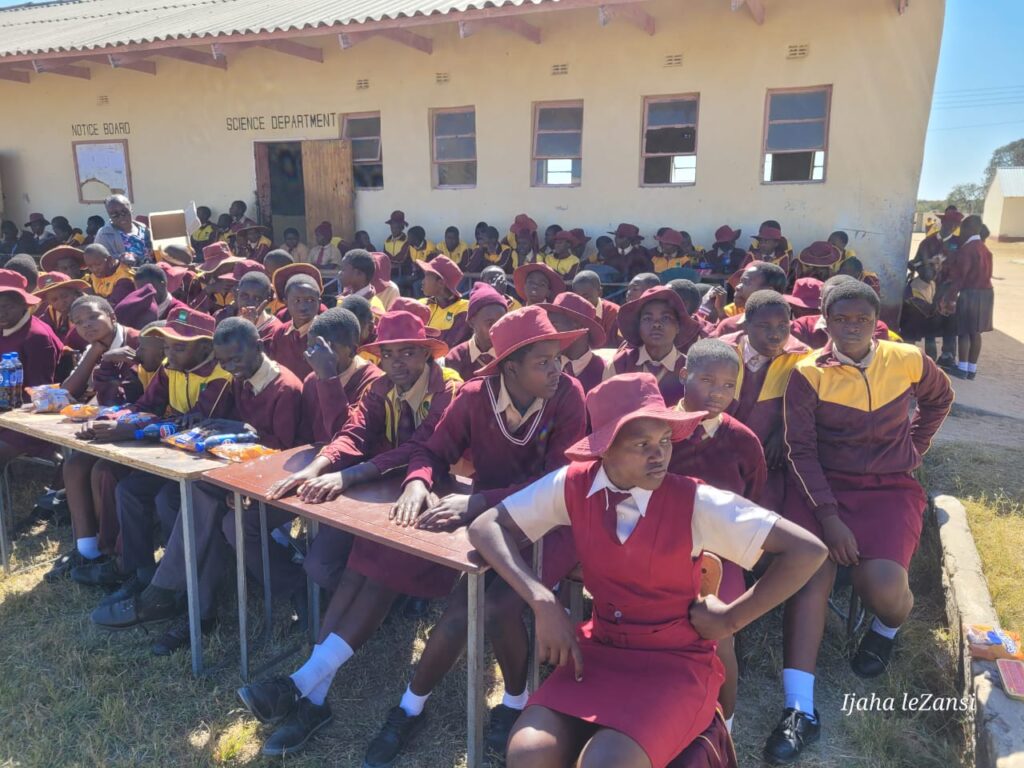
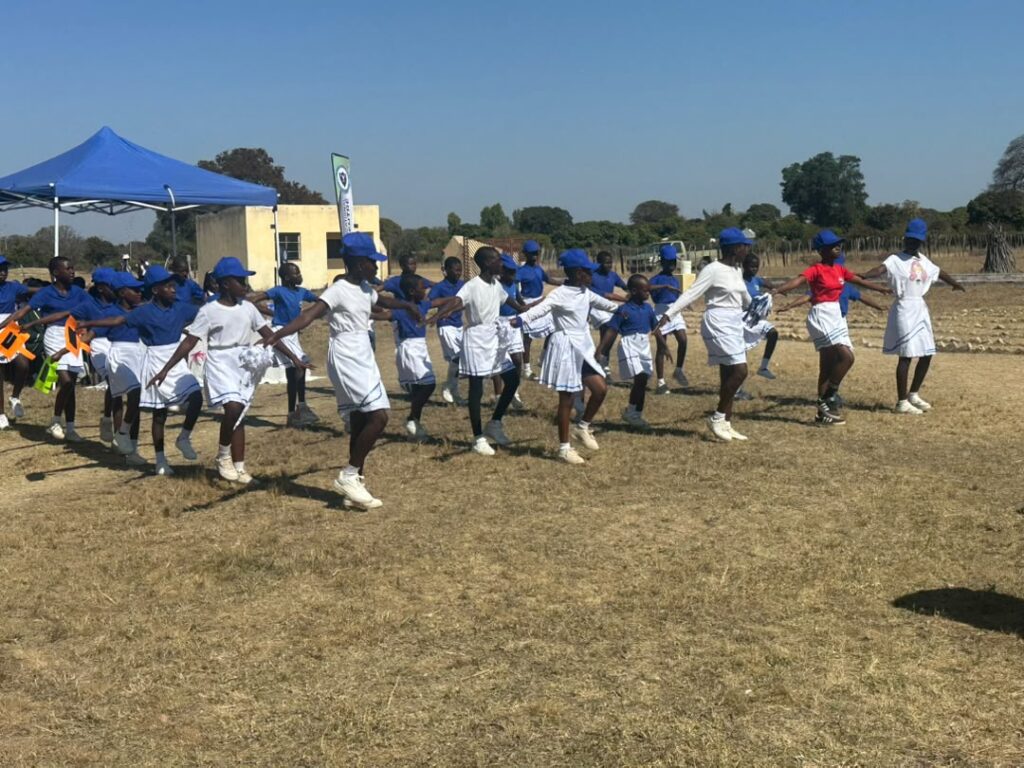
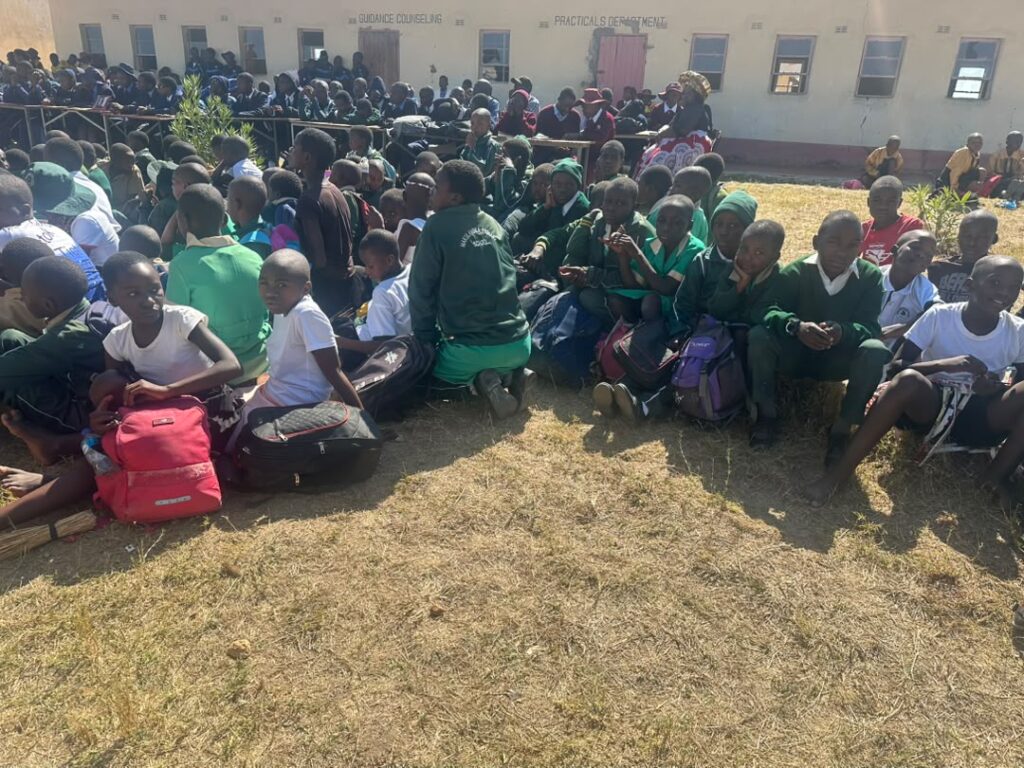
Speaking during the Day of the African Child commemorations at Makhulambila Secondary School on Tuesday, Vungu RDC chief executive officer Mr Alex Magura said every child has the right to grow up in a healthy and safe environment.
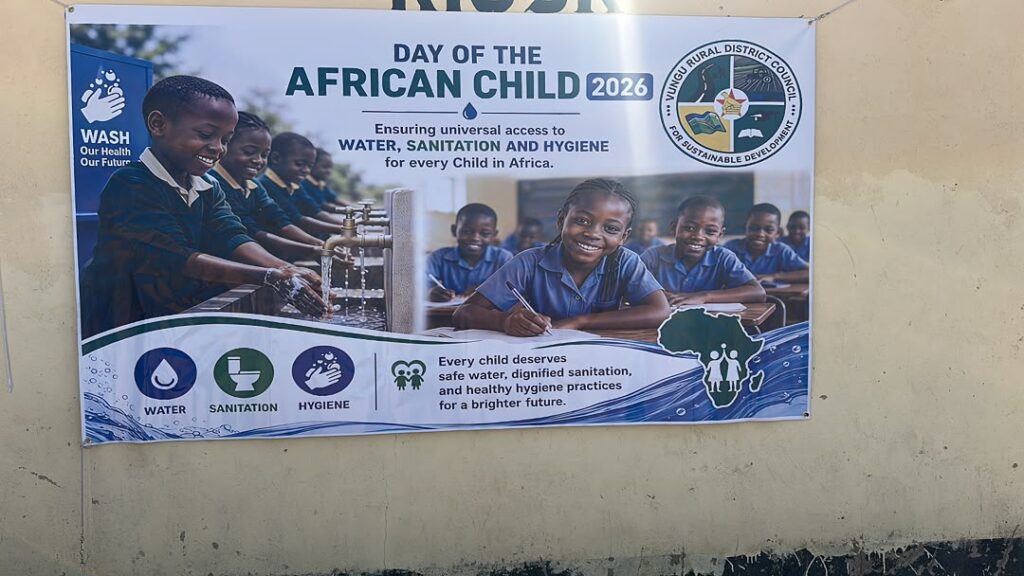
The commemorations were held under the theme: “Ensuring Universal Access to Water, Sanitation and Hygiene for Every Child in Africa.”
Mr Magura said access to clean water and proper sanitation is a basic human right that directly influences children’s health, education and dignity.
“Every child deserves to grow up healthy, attend school with dignity and live in an environment that supports their well-being,” he said.
Mr Magura said children without access to safe water and adequate sanitation are vulnerable to water-borne diseases such as cholera, typhoid and diarrhoea, while poor sanitation facilities continue to affect school attendance, particularly among girls.
“As leaders and communities, we have a shared responsibility to ensure that no child is left behind,” he said.
Mr Magura said the local authority was working closely with Government, development partners, communities, schools and health institutions to improve water and sanitation services across the district.
The interventions include the drilling and rehabilitation of boreholes, upgrading sanitation infrastructure and promoting hygiene education in schools and communities.
The initiatives complement the Second Republic’s national thrust to expand access to clean and safe water under Vision 2030 while contributing towards the achievement of Sustainable Development Goal Six (SDG 6), which calls for universal access to clean water and sanitation.
Mr Magura, however, said infrastructure alone would not solve the challenges unless communities embraced good hygiene practices.
“We must also educate children and communities on the importance of handwashing with soap, protecting water sources, proper waste management and maintaining a clean environment. These simple actions save lives and contribute to healthier and more productive communities,” he said.
Mr Magura urged parents, teachers and community leaders to nurture responsible citizens who value cleanliness, safeguard public infrastructure and promote healthy living within their communities.
Addressing learners, Mr Magura encouraged them to become ambassadors of good hygiene.
“You are the leaders of tomorrow. Take care of your health by practising good hygiene every day. Your voices matter, and your participation is essential in building healthier communities,” he said.
Mr Magura called on all stakeholders to move beyond commitments and translate policies into practical interventions that guarantee every child access to safe drinking water, decent sanitation and quality hygiene services.
He also commended the Government, development partners, health workers, educators, traditional leaders and community volunteers for their continued efforts to improve the welfare of children in Vungu District.
Meanwhile, Child Vice President Kudzai Chimbuya, a student at Thornhill High School, called for increased support for the Girl Child through the provision of sanitary wear to protect girls’ dignity and improve school attendance.
He said many girls continue to face challenges during menstruation due to limited access to sanitary products thereby exposing them to vulnerabilities and disrupting their education.
“Today we celebrate who we are, our rich culture and our Ubuntu. As we celebrate the Day of the African Child, we also call for increased support for the Girl Child through the provision of sanitary wear to ensure they do not miss classes during their menstrual periods,” said Chimbuya.
He urged stakeholders to continue investing in children’s welfare while promoting equal opportunities for every child to thrive regardless of gender.
The Day of the African Child is commemorated annually to promote and protect the rights and welfare of children across the continent while encouraging governments and communities to strengthen investment in services that enhance children’s development and well-being.



 Bongani Ndlovu