admin
adminFrom Sifelani Tsiko in PRETORIA, South Africa
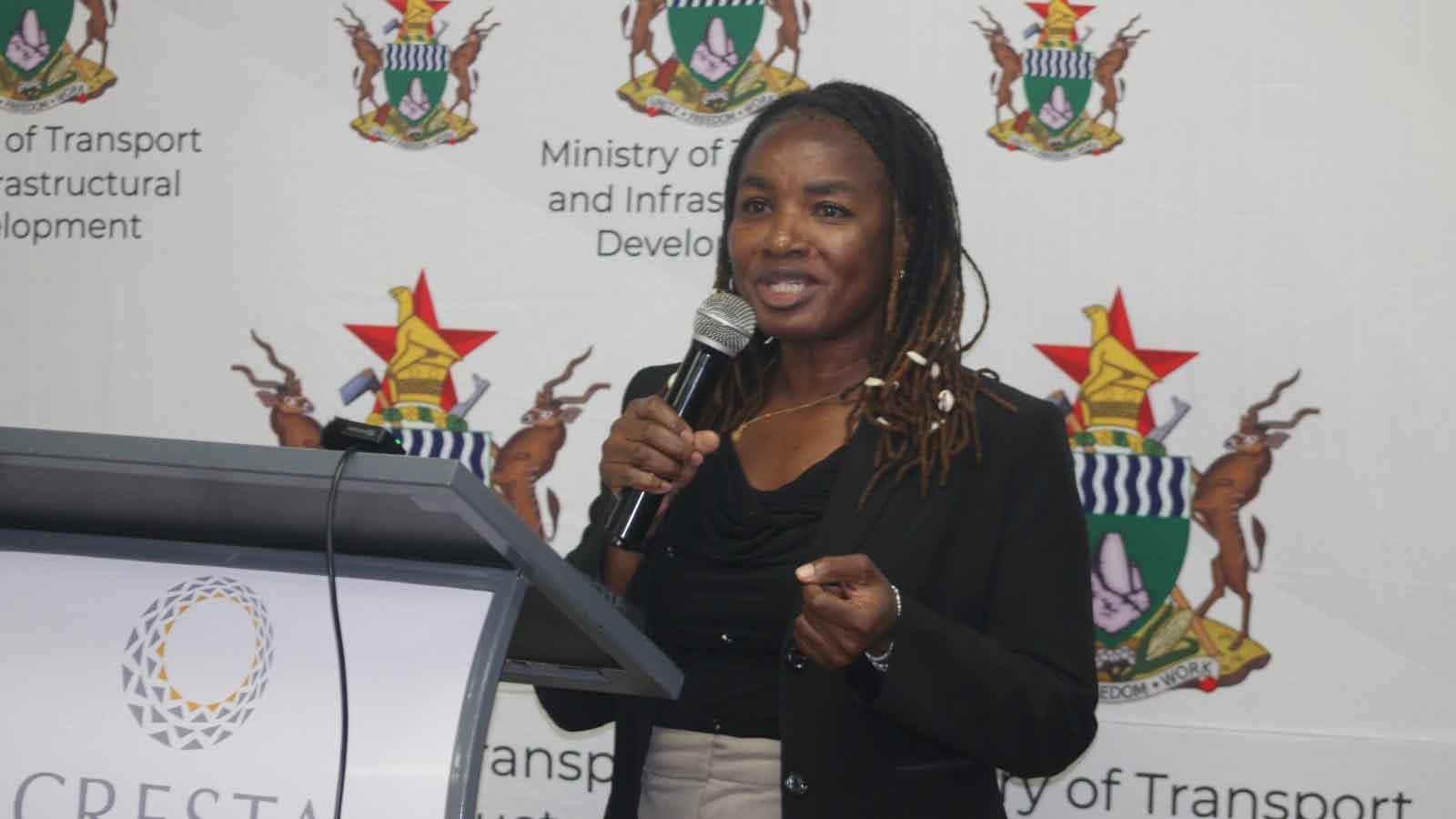
Zimbabwe and South Africa could experience a fall in crop yields of up to 30 percent or more by 2050 if climate change is left unchecked. Penny Urquhart, who is the Africa lead author for the Intergovernmental Panel on Climate Change’s Fifth Assessment Report, told journalists at the IPCC outreach event that reduced crop productivity associated with heat and drought stress could have adverse effects on regional, national and household livelihoods and food security.
“Severe climate impacts on agriculture changes in composition of farming systems, some studies show maize yields in South Africa and Zimbabwe could drop by 30 percent or more by 2050,” she said.
Suitable agro-climatic zones for growing economically important perennial crops, Urquhart said, were estimated to diminish largely due to the effects of rising temperatures.
Under high emissions scenarios, much of Africa could exceed 2°C by mid-century and reach between 3°C and 6°C by 2100, a situation which will have substantial impact on African ecosystems.
“We need to repeat these uncomfortable messages on the risks of climate change,” Urquhart said.
“We need to build our governance systems for adaptability and resilience. We are picking change and we can project that future changes will be substantial.”
Urquhart said all aspects of food security would be affected by climate change including food access, utilisation and price stability.
Said Jonathan Lynn, IPCC head of communication: “We have to start changing now to mitigate the severe impact in future. We need to underline the sense of urgency that we have to act now to avert disaster in future.”
University of Cape Town climatologist, Bruce Hewitson said response to climate change at the local and national levels was complicated and mired in confusion.
“The choices we make now are going to determine our future. The reality is that we are not changing our consumption habits, we are polluting more and more,” he said.
“Responding to climate change is complicated at the local and national levels, there is more confusion.”
Zimbabwe and other African countries have drawn up climate change national action plans and strategies.
Climate change threatens to overwhelm the ability of people to cope and adapt, especially if the root causes of poverty and vulnerability are not addressed.
All countries within the Zambezi River Basin could contend with increasing water shortages while non-climate drivers such as population and economic growth, expansion of irrigated agriculture will complicate the situation.
Few small-scale farmers across Africa are able to adapt to climatic changes, while others are restricted by a suite of overlapping barriers such as poverty and a lack of cash or credit, limited access to water and land, poor soil quality, land fragmentation, poor roads, and pests and diseases.
“If we sit on a 4 degrees temperature rise trajectory, we see very limited capacity to respond to the risks,” Urquhart said.
“Most adaptation in Africa and most other developing countries remains autonomous, reactive, unsupported and not on a scale.”
Maize is a major staple crop for Zimbabwe and most countries in Africa and climate experts say developing countries will probably be the hardest hit by climate change.



 Online Reporter