Online Reporter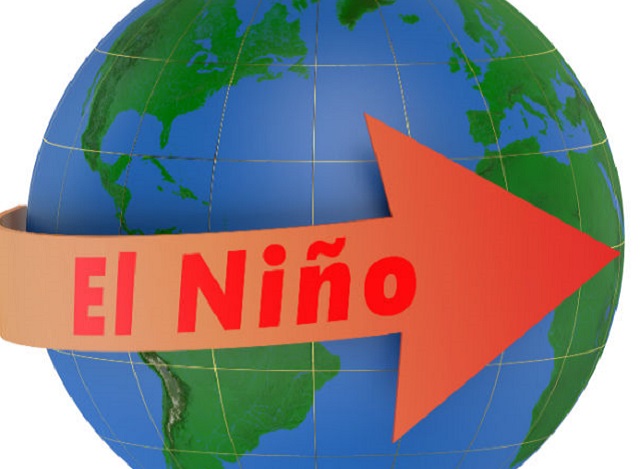
Victoria Ruzvidzo in SWAKOPMUND, Namibia
CLIMATE experts and national meteorological and hydrological specialists are meeting here as the Southern Africa Development Community (SADC) moves to prepare the region for the anticipated Super El Niño phenomenon in the 2026/27 summer cropping season.
The five-day 33rd Southern Africa Climate Outlook Forum (SARCOF-33) is expected to develop and interpret the region’s seasonal climate outlook and recommend strategies for preparedness, planning and early actions across SADC.
Discussions here indicate that Southern Africa remains highly exposed to the Super El Niño vagaries that could affect food and water security, energy supply, health infrastructure and livelihoods.
“Timely and reliable seasonal climate information is, therefore, critical to helping member states and climate-sensitive sectors anticipate risks, strengthen preparedness and protect development gains,” said SARCOF-33.
Convened twice yearly, the meeting provides a regional platform through which SADC member states jointly assess the likely climatic conditions for the forthcoming season to strengthen regional cooperation in monitoring and understanding climate variability and its impact.
Zimbabwe has already begun to implement measures to mitigate the effects of the Super El Niño, with President Mnangagwa emphasising adoption of requisite strategies timeously.
This week, Cabinet said such initiatives as strategic grain reserves purchase systems, acceleration of Climate Smart Agriculture (Pfumvudza), enhancement of irrigation systems and facilitation of duty-free importation of fertiliser, among others, had already been adopted under the 2026/27 Summer Production Plan.
Zimbabwe is being represented here by officials from the Meteorological Services Department, the Civil Protection Unit and other climate experts.
Issues being tackled include an analysis of climate drivers, the impact of El Niño, sectoral effects, SADC consensus climate outlook for October, November and December (termed OND) and January, February March periods (JFM) 2026/27, mitigation measures and financing mechanisms required.
Effective communication of early warning systems, periodic climate status and social protection strategies, has been identified as a key regional pillar with a session tomorrow being set aside to come up with a communication strategy to be adopted across the region.