Online Reporter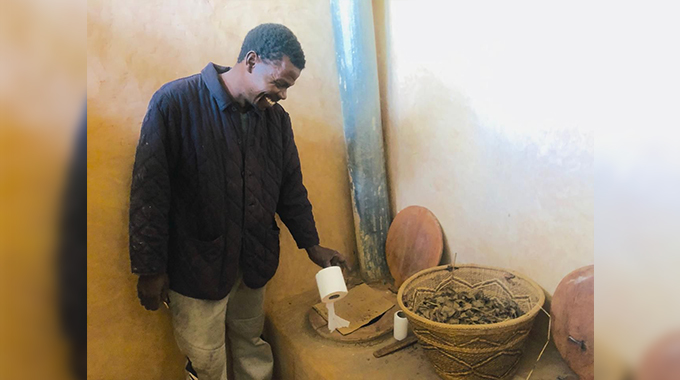
Lungelo Ndhlovu, Features Correspondent
IN Zimbabwe’s drought-prone districts, water scarcity is reshaping daily life. Long dry spells, erratic rains, and rising temperatures are straining traditional water systems, forcing communities to rethink how they manage sanitation, health and food production.
In areas such as Binga, Tsholotsho and Mwenezi, open defecation remains widespread. During droughts and floods, this practice increases the risk of cholera, typhoid and other water-borne diseases, threatening both health and livelihoods.
Climate shocks like these expose weaknesses in conventional sanitation systems, highlighting the need for solutions that save water, improve hygiene and support resilience.
Innovative approaches are emerging. Solar-powered irrigation schemes, community-managed boreholes and composting toilets are among the strategies helping communities adapt. For locals in Hwange District, these solutions are not just about convenience, they are about survival.
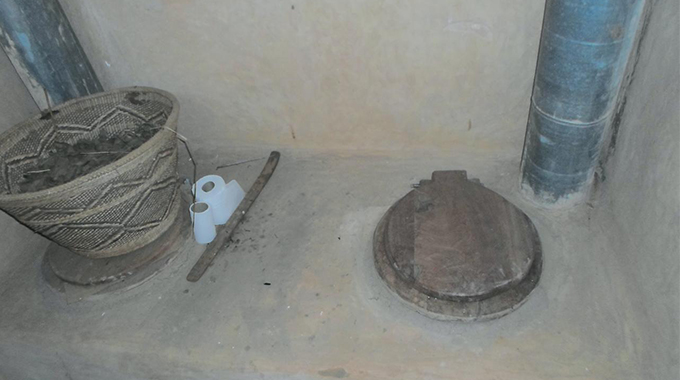
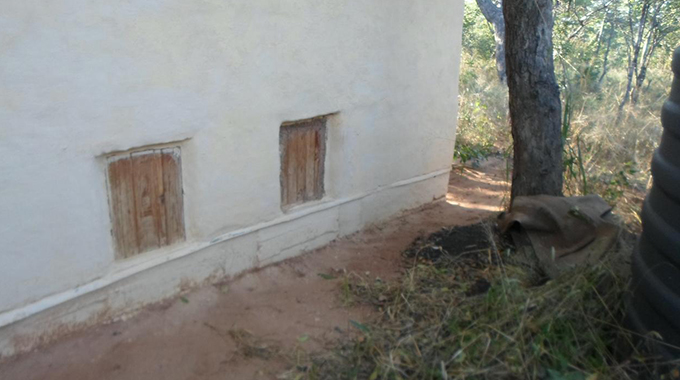
In Mabale Village, Mr Yabani Sibanda (48) begins each day collecting dry leaves to feed his family’s composting toilet. The leaves help human waste break down naturally, producing nutrient-rich compost that enriches his crops.
“We use the composting toilet for six to eight months, then let it rest for about nine months before applying the compost to our fields. It works like cow dung because it’s just humus and it doesn’t smell,” Mr Sibanda explained.
For Mr Sibanda and his family, the toilet is more than a sanitation tool, it is a climate adaptation strategy. By reducing water use, improving soil fertility and preventing disease, composting toilets help households manage the twin pressures of drought and food insecurity.
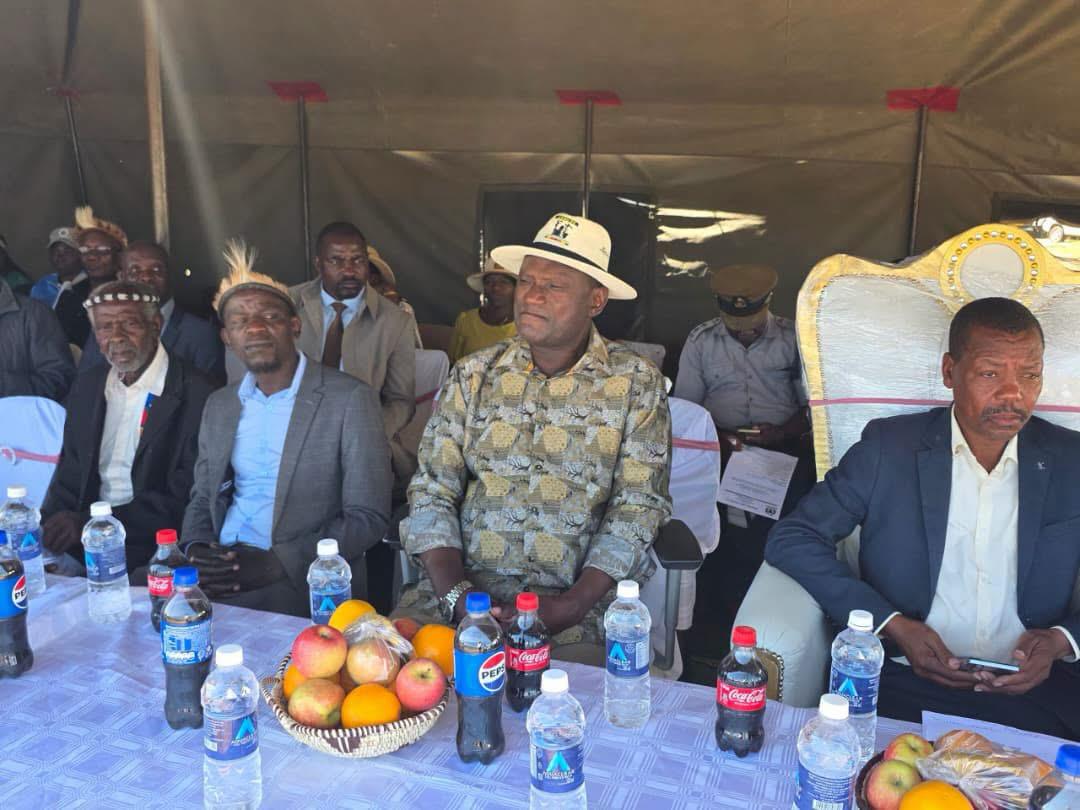
Across Zimbabwe, these local innovations are gaining attention from policymakers. In the 2025 State of the Nation Address, President Mnangagwa emphasised that water security is a critical challenge with implications for energy, agriculture and human health.
“To address these challenges, the Government is expanding integrated water resource management and investing in initiatives under the National Climate Change Adaptation Plan. The Carbon Trading Framework and Registry, established in 2025, is intended to unlock climate finance and support mitigation efforts across key sectors, including agriculture, water, and sanitation.
“Under the Rural Development 8.0 initiative, boreholes are being drilled and restored to improve access to water for irrigation, village businesses and households. The Government has set a target of irrigating 496 000 hectares nationwide, an ambitious effort to strengthen rural climate resilience,” said the President.
Supporting these national initiatives, Unicef works closely with the Government to strengthen climate-resilient water, sanitation and hygiene (Wash) systems. Alexandra Makaroff, Chief of Partnerships, Advocacy and Communication (OIC) at Unicef, says aligning projects with national priorities is essential for long-term impact.
“In drought-prone areas, we provide climate-resilient water systems, including solar-powered schemes for schools and communities. These systems improve access not just to water, but also to education, health and nutrition,” said Makaroff.
Makaroff emphasised the importance of reaching children, particularly adolescent girls, “Half of Zimbabwe’s population is under 18 and half of those are girls. Access to sanitation is a human right. Proper sanitation supports safety, dignity and educational achievement. Educated girls contribute to economic growth, reduce child marriages and are more likely to raise healthier children. Investing in adolescent girls is an investment in the nation’s future.”
Technology is also playing a growing role in improving sanitation.
“New toilet designs and technologies, approved by Government, complement traditional systems like the Blair VIP latrine. They help reduce open defecation in both rural and urban communities,” Makaroff said.
Unicef continues to promote low-cost, waterless sanitation options such as the Blair VIP latrine, which has contributed to reducing open defecation nationwide. Training for district health officers and community water committees ensures sustainability and local ownership of sanitation projects.
As climate change intensifies, conventional sanitation systems are increasingly unreliable. Traditional pit latrines collapse in floods, while pour-flush toilets demand scarce water resources. Local organisations are stepping in to fill the gap with practical, low-cost alternatives.
In Hwange District, the Soft Foot Alliance promotes composting toilets built from locally available materials like sand, ash and dry leaves.
“Composting toilets don’t need sewer systems or flushing water. That makes them ideal for communities hit hardest by climate change. They save water, improve soil health and help people adapt,” said Mr Musungwe Sithole, the organisation’s director.
Public health experts note that community-led sanitation innovations complement national policy and climate frameworks. Dr Martin Muchangi, Director of Population, Health, and Environment at Amref Health Africa says integrated approaches are transforming lives across the continent.
“At Amref, we focus on the connection between water, sanitation and health,” Dr Muchangi explained.
“Programmes like WaterStarters and Finish are proving that integrated solutions can change communities.”
WaterStarters is a franchise model for rural water enterprises that combines solar energy, smart meters, and micro-entrepreneurship to bring safe water closer to households.
“Every drop of clean water reduces the risk of disease and strengthens climate adaptation. So far, we have reached about 100 000 people, with a goal of reaching 1,5 million across Africa by 2030,” Dr Muchangi said.
Meanwhile, the Finish programme turns toilets into tools for dignity, health and economic empowerment.
“We have reached about half a million people in Kenya, Uganda, Tanzania and Ethiopia with climate-resilient sanitation, helping them live healthier lives with dignity. These projects are climate-proofing health infrastructure and harnessing solar-powered water systems,” he added.
Experts stress that adaptable, integrated systems are critical as climate pressures grow.
“The water we drink, the air we breathe and our health are all connected. African Governments must continue investing in resilient water, health and sanitation systems. Amref is ready to partner with Governments, researchers and the private sector to power innovation and ensure every African has a fair chance at health in a changing climate,” said Makaroff.
For households like Mr Sibanda’s, these efforts are making a tangible difference. By turning waste into compost, families reduce water use, improve food production and lower the risk of disease. Composting toilets are simple, affordable and climate-smart, a practical solution that responds to Zimbabwe’s immediate needs while helping communities adapt to the long-term impacts of climate change.
This story was produced with support from Mesha and the IDRC Eastern and Southern Africa office.