Andrew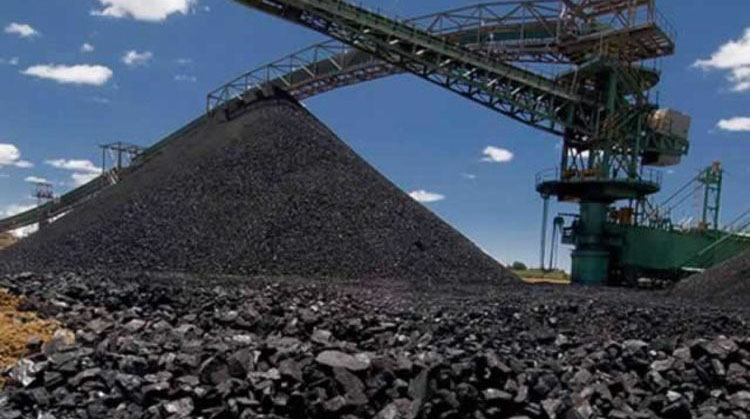
Business Reporter
Local coal output dropped 42 percent during the first five months of the year after foreign currency shortages to import consumables and fuel shortages hit producers.
Coal mining operations are major consumers of fuel, especially diesel.
Most equipment and spares are also imported from Europe and Asia.
Coal Producers Association of Zimbabwe (CPAZ) chairperson Mr Raymond Mutokonyi said the decline in output would likely adversely affect local power generation as strategic stockpiles for thermal power stations have been progressively depleted.
About 90 percent of locally produced coal is used for power generation, especially at Hwange Power Station (HPS), while the tobacco sector and other industrial processes take up the remainder.
“The situation is tough. We are down 42 percent year-on-year. Our biggest challenge is erratic supplies of diesel, as well as foreign currency shortages to import spares,” said Mr Mutokonyi.
HPS — the country’s second largest power station, with installed capacity of about 730 megawatts (MW) — is reportedly left with reserves that last for less than 14 days, which are half the normal stockpile.
“It is not a healthy situation,” said Mr Mutokonyi.
Coal producers are already seeking a 25 percent increase in the price of coal to make the business viable.
Prices have been fixed at US$26,50 per tonne since July 2011, but are now being paid in local currency at the fixed interbank exchange rate.
Power utility, the Zimbabwe Electricity Supply Authority (ZESA), which is concerned by “lack of capacity” from local miners, is already considering investing in coal mining to ensure guaranteed supply for its plants, particularly when Hwange Unit 7 and 8 — presently under construction come on line in 2022.
The two units will add 600MW to the grid.
Industry players claim that the average cost for mining, processing and delivery of coal to Hwange Power Station is US$30,30 per tonne.
Comparatively, prices for coal used in power generation average US$40 per tonne in countries such as Botswana and Zambia.
In South Africa, it ranges between US$20 to US$50 due in part to the structured prices infused into the mine financing models provided by Eskom.
A base price of US$33 per tonne, linked to the interbank rate, for coal delivered to Hwange Power Station and an increase in export proceeds retention to 80 percent from the current 50 percent would enhance the viability of the miners, CPAZ said recently.


 Online Reporter