
Word From The Market
Tina Nleya
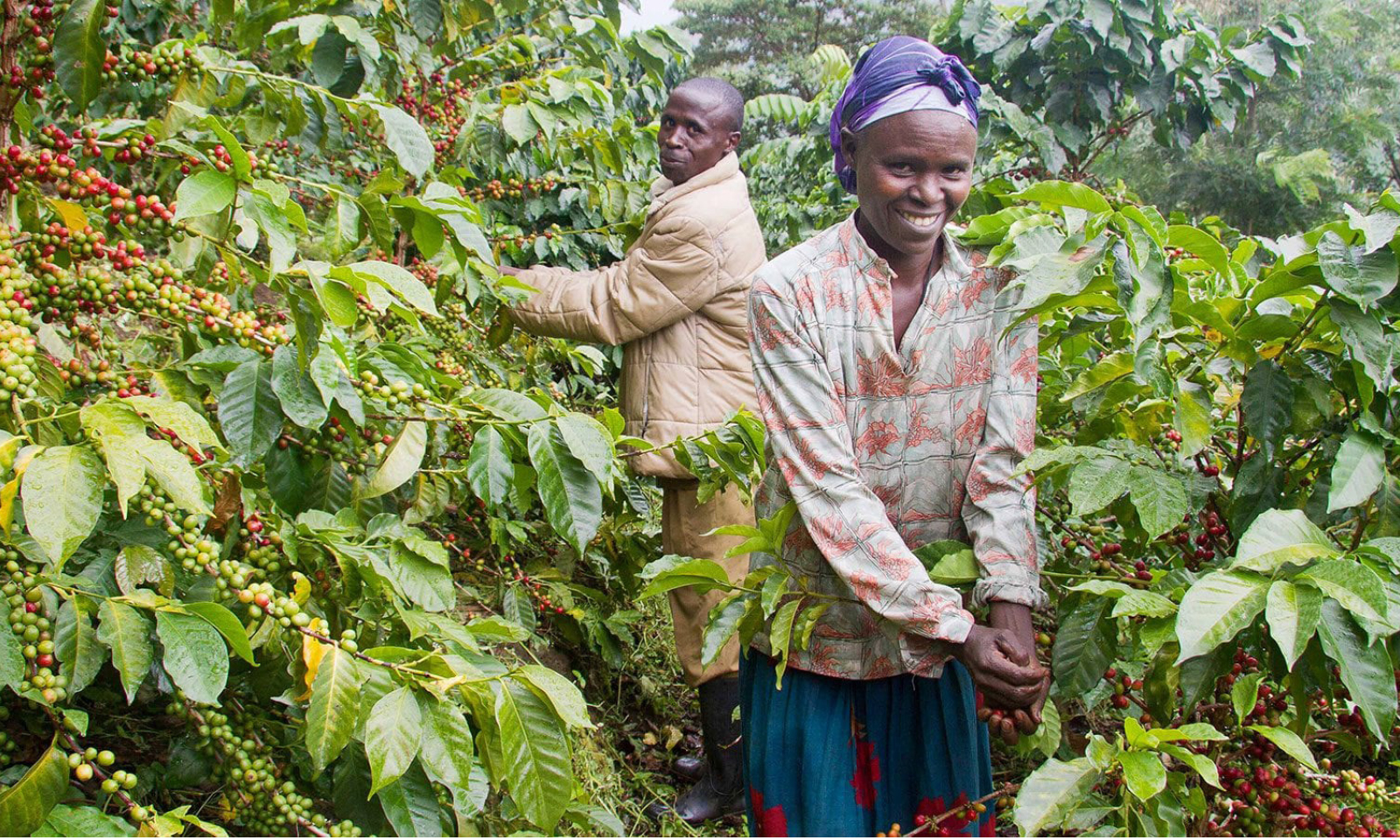
ZIMBABWE’S coffee industry is on a path to revival, presenting a lucrative opportunity for farmers willing to invest in this high-value crop.
Historically, Zimbabwe was a leading African coffee producer, but the sector suffered setbacks due to climate change, economic challenges and shifting market dynamics.
However, recent trends indicate that coffee farming is once again becoming a profitable venture, with increased Government and private sector interest.
Why invest in coffee?
Coffee is the third most consumed beverage globally after water and tea, with demand continually rising.
The global coffee market is expected to grow from US$127 billion in 2024 to over US$160 billion by 2030, driven by increasing consumption in emerging markets and specialty coffee trends. Arabica coffee, which Zimbabwe specialises in, remains a premium product sought after by international buyers.
On the local front, Zimbabwe’s coffee production has been gradually increasing.
According to the latest data, production rose by 15 percent in the 2023/2024 season, reaching approximately 780 tonnes, up from 681 tonnes in the previous season.
The area under cultivation has also expanded, with more smallholder farmers joining the sector. The Zimbabwe Coffee Sector Road Map 2030, launched in partnership with development agencies, aims to increase production to 5 000 tonnes per year by 2030.
Favourable market conditions
Zimbabwean coffee commands premium prices on the international market. Farmers working with established processors such as Tanganda, Crake Valley and the Zimbabwe Coffee Mill have access to contract farming arrangements, technical support and guaranteed markets. Current export prices range between US$6,50/kg and US$7,50/kg, significantly higher than the global average of US$5,20/kg.
In the private sector, major buyers like Nespresso, Starbucks and Lavazza have started sourcing coffee from Zimbabwe, signalling renewed interest in the country’s high-quality beans. This presents a great opportunity for farmers to tap into premium markets.
Profitability and long-term gains
Coffee farming requires an initial investment period of about three years before harvesting begins. However, once established, the crop can generate consistent revenue for up to 12 years.
With an average yield of 1,5 tonnes per hectare, a smallholder farmer can earn up to US$60 000 over a full production cycle, with gross margins exceeding US$38 000.
Additionally, many international buyers are now prioritising organic and sustainably grown coffee, which Zimbabwe has the potential to produce.
Farmers who adopt organic practices can command even higher prices, with organic coffee fetching up to US$9/kg in niche markets.
Ideal growing conditions in Zimbabwe
Zimbabwe’s Eastern Highlands provide optimal conditions for coffee cultivation, with temperatures of between 23°C and 28°C, and annual rainfall of 1 000mm-1 500mm.
The country’s high-altitude terrain contributes to the rich flavour profile of Zimbabwean coffee, making it highly competitive in specialty markets.
Farmers in Manicaland, Mashonaland East and parts of Midlands are particularly well-positioned to take advantage of these conditions.
Additionally, coffee farming is a viable option for areas experiencing erratic rainfall, as coffee plants can be grown under shade trees, reducing the need for extensive irrigation compared to other cash crops.
Challenges and the way forward
While the sector shows promise, challenges such as limited access to financing, high input costs and foreign currency retention policies remain hurdles for farmers.
However, partnerships between private sector players, international buyers and financial institutions are helping to address these concerns.
Programmes such as the Nespresso-Technoserve initiative and support from organisations like the Coffee Growers Association of Zimbabwe (CGAZ) have already boosted Zimbabwe’s coffee sector by providing technical assistance, input support and market access to farmers.
There are also ongoing discussions between the Government and financial institutions to develop credit facilities tailored for coffee farmers.
Steps to get started with coffee farming
For farmers considering coffee as a long-term investment, the following steps are crucial:
- Choose the right variety — Arabica is the most suitable for Zimbabwe’s climate and fetches higher prices internationally.
- Source quality seedlings — Work with certified nurseries to obtain disease-resistant and high-yielding coffee seedlings.
- Secure land and soil testing — Coffee thrives in well-drained, slightly acidic soils. Testing your soil before planting ensures optimal growth conditions.
- Access technical training — Engage with organisations like the Agricultural Marketing Authority (AMA) or CGAZ, or take part in development programmes offering coffee production training.
- Explore financing options — Look into available grants, loans and contract farming arrangements to secure capital for initial setup costs.
- Invest in processing and storage — Post-harvest handling significantly impacts coffee quality.
Farmers should consider joining cooperatives that provide access to modern processing facilities.
- Market your coffee strategically — Connect with buyers through trade fairs, farmer associations and direct export agreements to maximise earnings.
With a growing global market, premium prices and Government support for export-oriented agriculture, coffee farming presents a viable investment for Zimbabwean farmers.
By capitalising on the country’s unique agro-climatic conditions and aligning with market-driven production strategies, farmers can secure sustainable incomes and contribute to the nation’s agricultural export growth.
For those looking to venture into coffee farming, now is the time to take advantage of available support systems and growing demand.
Zimbabwe has the potential to reclaim its position as one of Africa’s premier coffee-producing nations.
Word From The Market is a column by AMA aimed at promoting market-led farming. For feedback, contact [email protected] or [email protected]