Moffat Mungazi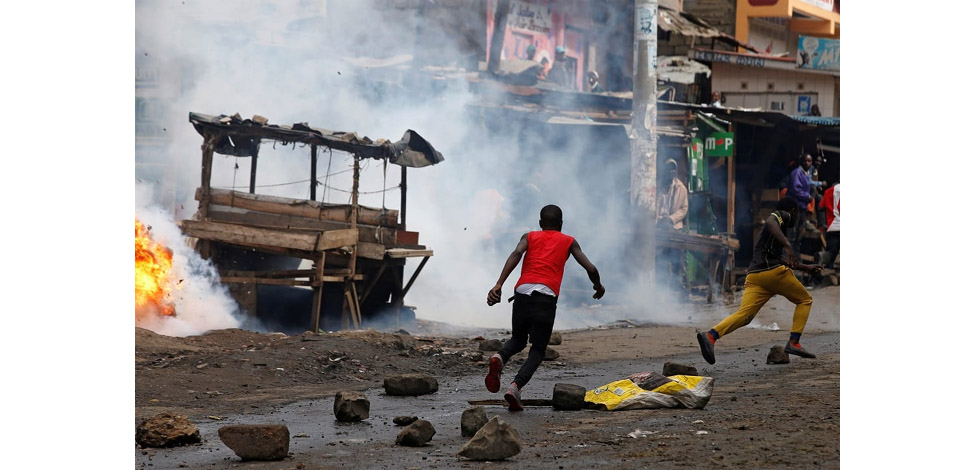
Elshadai R Munhande and Shalo Z Zimuto
AFRICAN elections are marred by violence due to a combination of factors, including a legacy of colonialism, weak institutions, and the role of politicians and security forces.
The continent’s history of colonialism has left behind artificial borders and ethnic divisions, which often become fault lines for conflict during elections.
For instance, in Nigeria, over 250 ethnic groups vie for power, creating an environment where violence can easily erupt.
In recent years, technology and globalisation have also played a significant role in shaping the dynamics of election violence in Africa.
Social media platforms have been used to spread hate speech and incite violence, while global networks of diaspora communities have fuelled tensions and financed violent activities back home.
The human cost of election violence is staggering.
In Uganda’s 2021 elections, at least 54 people were killed in protests and clashes with security forces.
In Nigeria’s 2019 elections, hundreds of people were killed or injured in violence related to the polls.
To break the cycle of violence that mars African elections, it is essential to strengthen institutions and electoral commissions.
This can be achieved through increased funding, capacity building, and the promotion of independence.
Politicians and security forces must also be held accountable for their actions, and the underlying issues that drive election violence, such as ethnic divisions, poverty, and inequality, must be addressed.
In Mozambique, for example, the 2024 general elections were marred by violence, with at least 34 people killed and many more injured.
The opposition claimed that the election was rigged, and the European Union Election Observation Mission expressed concerns about the transparency of the counting and tabulation process.
The situation was further complicated by the government’s restrictions on internet access and social media platforms.
In South Africa, concerns about election violence are also prevalent, particularly in light of the recent unrest in Mozambique.
The country has a reputation for holding credible and democratic elections, but there are still concerns about the potential for violence.
To mitigate the impact of technology and globalisation on election violence, African governments must take steps to regulate social media platforms, monitor diaspora networks, and promote digital literacy and critical thinking.
By addressing the underlying causes of election violence, strengthening institutions, promoting accountability, and mitigating the impact of technology and globalisation, it is possible to break the cycle of violence and ensure peaceful and credible elections.



 Online Reporter