shloboe boe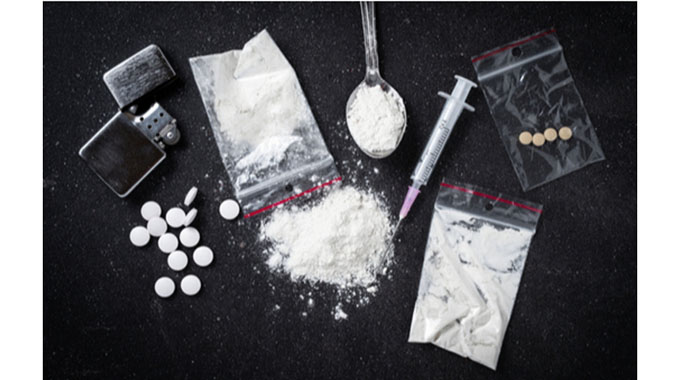
THE recent report detailing the tragic loss of five lives to drug and substance abuse in Matabeleland South is a stark reminder of the urgent crisis facing our communities.
Between January and August this year, the province witnessed a significant rise in drug-related challenges, with over 1 500 individuals arrested for drug offences, highlighting a growing epidemic that demands immediate attention and action.
The statistics presented by the provincial social welfare office are alarming. The death of five individuals — three from Gwanda, one from Matobo, and one from Beitbridge — underscores the human toll of this crisis.
These numbers are not just statistics; they represent families shattered by loss and communities grappling with the consequences of addiction.
The prevalence of drugs such as marijuana, crystal meth, and various cough syrups paints a troubling picture of the substances that are infiltrating our neighbourhoods.
The fact that 68 individuals have received treatment and rehabilitation is a positive sign, yet it is overshadowed by the sheer scale of the problem. With 1 556 arrests and only 48 convictions, the system appears overwhelmed, and the available resources to combat drug abuse remain insufficient.
Provincial Ministers call for a collective effort in combating drug abuse is both timely and necessary. The involvement of all stakeholders — Government institutions, NGOs, communities, and families — is crucial to create a robust response to this escalating crisis.

The Government’s recognition of this issue through initiatives such as the National Drug and Substance Response Resource Mobilisation programme is a step in the right direction.
However, words must now be matched with action.
The lack of a functional stand-alone rehabilitation centre in Matabeleland South is a glaring gap in our response strategy.
Currently reliant on a facility in Bulawayo, local residents are left without immediate access to the support they desperately need.
The identification of the old TB Clinic in Jahunda for renovation into a rehabilitation centre is a promising development, but it requires financial and material support to become a reality.
As highlighted in the report, the province aims to raise US$280 000 to combat drug abuse, a necessary investment in rehabilitation centres, recreational facilities, and awareness campaigns.
This financial support is essential not only for treatment but also for preventative measures. The importance of educational initiatives cannot be overstated; communities need to be informed about the dangers of drug abuse and the resources available for those struggling with addiction.
Moreover, the call for improved resources for law enforcement — such as instant drug testing equipment and funding for mobility in conducting raids — underscores the need for a multi-faceted approach. Effective policing is crucial in disrupting the supply of illicit drugs, but it must be complemented by community engagement and support systems.
The Zimbabwe Multi-Sectoral National Action Plan on Drug and Substance Abuse (2024-2030) offers a comprehensive framework for addressing this crisis. Its focus on prevention, treatment, rehabilitation, and community engagement is commendable.
However, the success of such a plan hinges on the commitment of all stakeholders to implement its strategies effectively.
The seven pillars of this strategy — supply reduction, demand reduction, harm reduction, treatment, rehabilitation, legal frameworks, and community reintegration — provide a holistic approach to the problem.
They emphasise that drug abuse is not merely a criminal issue but a public health challenge that requires compassion, understanding, and community involvement.
As we reflect on the implications of these statistics and the stories behind them, we must confront the broader societal issues that contribute to drug abuse.
Economic hardship, lack of opportunities, and social disintegration play significant roles in pushing individuals toward drugs as a form of escape.
Addressing these root causes is essential if we hope to create lasting change.
In this context, community involvement is paramount. Local organisations, schools, and churches can play a vital role in providing support, education, and advocacy.
By fostering open dialogues about drug abuse and its effects, we can begin to break the stigma surrounding addiction and encourage those in need to seek help.
The fight against drug and substance abuse in Matabeleland South is a collective responsibility that calls for urgency, compassion, and strategic action.

The tragic loss of life should serve as a rallying cry for all of us to engage in meaningful dialogue, advocate for necessary resources, and support those affected by addiction.
As we move forward, let us remember that behind every statistic lies a human story — one that deserves our attention, our support, and our commitment to change. Together, we can work towards a healthier, drug-free community for all.



 Online Reporter