


 Online Reporter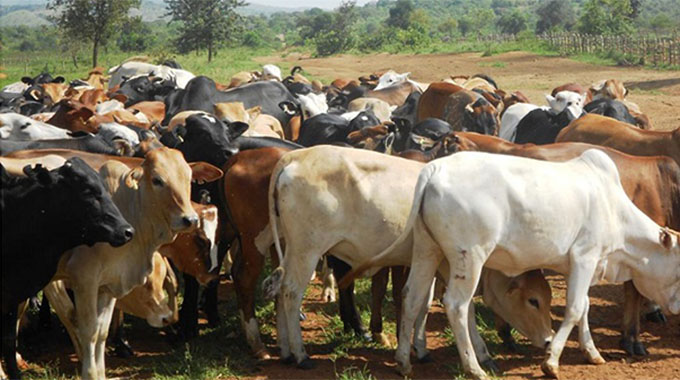
AS Zimbabwe enters the 2026 rainy season, a critical moment approaches for livestock farmers who have historically navigated the treacherous waters of tick-borne diseases. Among them, January Disease, scientifically known as Theileriosis, looms large, threatening not just the health of livestock but also the livelihoods of those who depend on these animals for their survival.
The stark warning from the Ministry of Lands, Agriculture, Fisheries, Water and Rural Development is clear: vigilance and preventative measures are paramount in order to safeguard against this devastating affliction.
The statistics speak volumes. Since 2016, over 65 percent of cattle deaths in Zimbabwe can be attributed to tick-borne diseases. This stark reality underscores the necessity for urgent action. January Disease creates not only a crisis for individual farmers but has broader implications for national food security and economic stability.
Consequently, the Government has reiterated calls for mandatory weekly dipping of cattle during the rainy season to control the spread of the brown ear tick, the primary vector responsible for transmitting the disease.
In an era where communication and access to information is at an all-time high, it is perplexing that some farmers continue to neglect these essential protocols. The importance of adhering to the “5-5-4” dipping regime cannot be overstated. Farmers must dip their livestock every five days for two cycles, with a brief four-day break, to interrupt the tick’s life cycle effectively. This simple yet crucial step can mean the difference between life and death for entire herds.
Moreover, the ministry’s insistence on the usage of tick grease in high-risk areas — applied to vulnerable parts of the animals — serves as an additional layer of defence against this pervasive threat. Such measures require a commitment not only to understanding the guidelines but to implementing them, as Dr Gwinyai Zhandire from Matabeleland North has noted. The failure of some farmers to comply is a concern that should inspire collective action within the community.
However, the Government cannot shoulder this burden alone. It is vital for farmers to step up, not just rely on governmental initiatives like the Presidential Tick Grease Programme or access to the locally produced BOLVAC vaccine, but to also take personal responsibility for the entirety of their herds. The suggestion by livestock specialist Mr Mhlupheki Dube for farmers to procure their own acaricides is an important one; waiting for Governmental assistance could prove detrimental when timely action is essential.
The availability of the BOLVAC vaccine provides further hope. The vaccine, having resumed local production after a nearly two-decade hiatus, offers a long-term solution for immunisation against January Disease. Yet, the fact that many doses remain untaken, particularly in regions heavily impacted by the disease, speaks to a troubling disconnect between awareness and action.
We serve not just to call for awareness, but as a rallying cry for agricultural stakeholders to unite in a concerted effort. The consequences of apathy extend beyond individual losses; they ripple through communities and touch upon broader socio-economic fabrics. Zimbabwe’s cattle sector isn’t merely a means of income for farmers; it plays a role in the overall economy and food supply chain.
In addressing the urgent need for the proper dipping regimen and vaccinations, we must not lose sight of the bigger picture. The ecosystem of livestock farming is deeply interconnected with our environment and our economy.
Livestock farmers often face adverse conditions, but the cooperation and strategic planning of all involved parties — Government, veterinarians, and farmers — can shift the narrative towards one of resilience and recovery.
Encouragingly, there are indications that understanding of the 5-5-4 dipping regime has increased among the farming community, translating to a decrease in cases in certain areas. This is a testament to the power of education, awareness, and community engagement. There is palpable optimism that with sustained effort and commitment, lessons learned from past tragedies can pave the way for a healthier, more productive future.
However, this momentum should not lead to complacency. Besides implementing the advised measures, continuous education and information sharing between farming communities and Government entities will be crucial. Regular workshops and interactive sessions could foster conversation around best practices for tick control, disease management, and the importance of timely vaccination.
The looming threat of January Disease should not be perceived merely as a challenge but also as a call for a renaissance in livestock farming practices. Farmers must unite, collaborate, and seek out resources available to them — whether through Government programmes, veterinary services, or community networks.
The fate of many herds and the livelihoods built around them hang in the balance. To protect our agricultural heritage and the socio-economic tapestry of Zimbabwe, we must be diligent, proactive, and united in our approach to combat this insidious disease.
Awareness is just the beginning; action is how we secure our agricultural future.



 Bongani Ndlovu