Online Reporter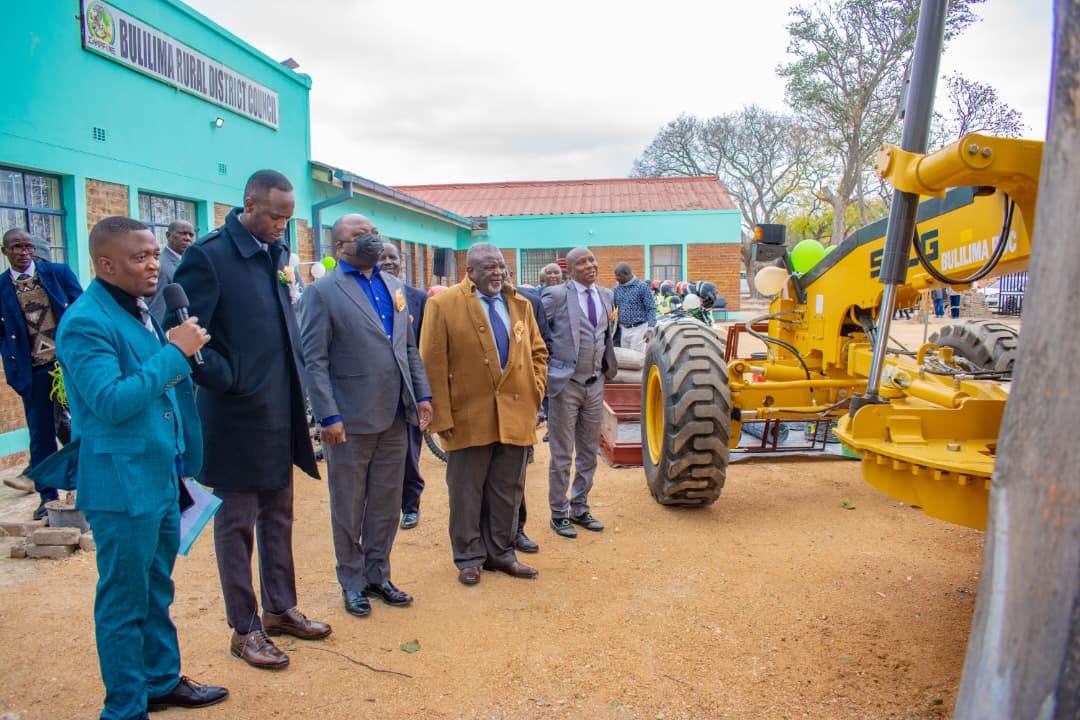
THE arrival of a new grader in Bulilima may appear, at first glance, to be a routine council acquisition. In reality, it represents something far more significant. It is an investment in development, an investment in people and an investment in the future of one of Zimbabwe’s most remote districts.
For too long, poor roads have acted as an invisible barrier to progress in Bulilima. While communities elsewhere have benefited from improved connectivity and easier access to services, many villages in the district have continued to struggle with roads rendered nearly unusable by years of neglect and seasonal damage. The consequences have not merely been inconvenient; they have been costly, both economically and socially.
When roads deteriorate, development slows. Farmers fail to move their produce to market on time, businesses face higher operating costs and investors become reluctant to establish ventures in affected areas. Transport operators are forced to charge higher fares to cover vehicle repairs and fuel consumption, and ultimately it is ordinary citizens who bear the burden.
The strategic importance of roads in Bulilima cannot be overstated. The district sits along a key regional corridor linking Zimbabwe with Botswana and South Africa. Roads such as the Plumtree-Maitengwe route are not merely local access roads. They are economic arteries through which trade, commerce and opportunity flow. Improving these roads has the potential to stimulate economic activity far beyond district boundaries.
A well-maintained road network will make it easier for farmers to transport livestock, grain and horticultural produce to markets. It will reduce transport costs, improve competitiveness and increase household incomes. Small businesses that depend on the movement of people and goods will also benefit from increased traffic and commercial activity. However, the true value of the grader extends well beyond economics.
Development is ultimately about improving people’s lives, and in this regard the greatest beneficiaries may be ordinary families. For years, communities have endured situations where ambulances struggled to reach patients during emergencies because roads had become impassable. In some instances, delays in accessing healthcare may have had tragic consequences.
The new grader offers hope that roads leading to clinics, hospitals and rural health centres will remain accessible throughout the year. Better roads mean faster emergency response times, easier movement of medical personnel and improved distribution of medicines and medical supplies.
Education is another area likely to experience significant gains. Children in rural communities often travel long distances to school, sometimes navigating difficult terrain and damaged roads. Improved road infrastructure can make journeys safer, reduce travel times and enhance attendance rates. Teachers, too, will find it easier to reach remote schools, helping to improve the quality and consistency of learning.
Equally important is the acquisition of motorbikes for councillors and other supporting equipment. Development does not happen through machinery alone. It requires leadership, supervision and accountability. Councillors who can easily reach communities are better positioned to understand local needs, monitor projects and ensure that public resources are used effectively.
What is particularly encouraging about the Bulilima initiative is the partnership model that made it possible. Government, council, ZINARA, private companies and development partners all contributed towards the acquisition of the equipment and related assets. This demonstrates that sustainable development is most effective when stakeholders work together towards a common goal.
The donation of building materials by Mvimi Safaris further reinforces the importance of public-private partnerships in addressing rural development challenges. Local authorities cannot carry the burden of development alone.
Businesses operating within communities also have an important role to play in ensuring that local people share in economic progress.
The Bulilima story is also a powerful example of the promise of devolution. One of the key objectives of Zimbabwe’s devolution agenda is to bring resources, decision-making and development closer to the people. The acquisition of the grader shows what can happen when local authorities are empowered with the tools they need to address community challenges directly.
Of course, acquiring equipment is only the first step. The real test lies in utilisation, maintenance and accountability. Residents will rightly expect to see tangible improvements on the ground. Roads must be repaired, maintenance schedules adhered to and resources protected from misuse. The success of this investment will ultimately be measured not by the value of the machinery acquired, but by the quality of services delivered.
Yet there is every reason for optimism.
For Bulilima’s farmers, traders, schoolchildren, health workers and families, the grader symbolises more than road maintenance equipment. It symbolises possibility. It represents a future where communities are no longer isolated by geography, where economic opportunities are easier to access and where essential services reach the people who need them most.
Development begins with infrastructure. Roads connect people to markets, schools, hospitals and opportunities.
When roads improve, communities prosper. In Bulilima, the arrival of a grader may seem like a simple event, but its impact could be transformational.
If effectively utilised, this machine will not merely grade roads. It will help pave the way for growth, prosperity and inclusive development across the district. That is why this investment deserves to be celebrated, not as an end in itself, but as the beginning of a new chapter for Bulilima.