Online Reporter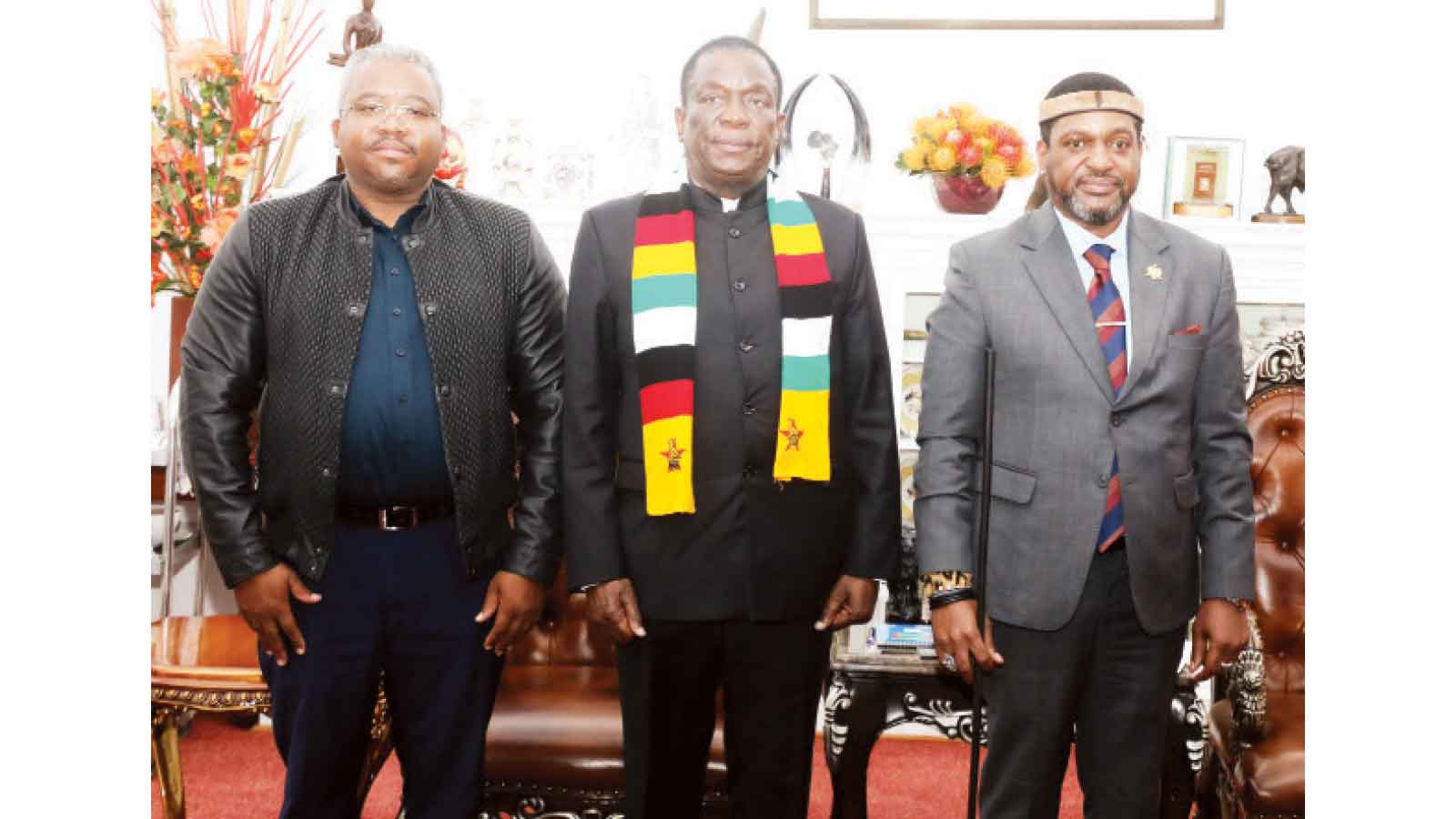
IN a moment when the flames of xenophobia threaten to scorch the very fabric of our regional unity, a beacon of hope has emerged not from the corridors of political power, but from the sacred stools of African royalty.
President Mnangagwa’s gracious hosting of Zulu monarch King Misuzulu kaZwelithini and a high-level delegation of South African traditional leaders at State House is more than a diplomatic courtesy; it is a vital, timely, and profoundly welcome intervention to heal the deep wounds inflicted by rising anti-immigrant tensions.
We must unreservedly commend this initiative. At a time when anti-immigrant protests in South Africa have left Zimbabwean communities living in terror, the decision by these traditional leaders to personally intervene is an act of courageous statesmanship. King Misuzulu and King Ndamase of the AmaMpondo did not wait for governments to act; they took it upon themselves to cross borders, sit with a fellow liberation leader, and say, unequivocally, that the violence being perpetrated against foreign nationals is an affront to our shared African identity.
This is the Africa we yearn for; where traditional institutions, the custodians of our cultural heritage and moral compass, step forward to guide us through our darkest hours. The visit, which followed a private engagement on
Monday before Tuesday’s official meeting, was not a publicity stunt. It was a deliberate, respectful, and heartfelt mission to restore harmony between two nations whose histories are inextricably intertwined.
As Ambassador Christopher Mutsvangwa noted, the kings specifically requested a direct audience with President Mnangagwa because they did not want their message of peace to be “filtered through third parties”. That alone speaks volumes about their sincerity and urgency.
Moreover, the delegation’s focus on the role of traditional institutions in fostering peaceful coexistence, preserving shared cultural heritage, and strengthening regional solidarity is precisely the kind of grassroots diplomacy that our modern, often disconnected political structures cannot replicate. These are leaders who command respect not from parliaments or election cycles, but from centuries of cultural authority. When they speak, their people listen. And today, they are speaking for peace.
The visit of King Misuzulu and his delegation is a reminder that Africa’s solutions often lie within Africa’s traditions.
In an era of increasingly polarised politics, the intervention of our traditional leaders is a breath of fresh air; a reminder that before we were citizens of South Africa or Zimbabwe, we were members of families, clans, and kingdoms that stretched across these arbitrary colonial borders.
Let us embrace this royal initiative for what it is: a courageous, timely, and deeply African response to a crisis that threatens to tear us apart. We thank the South African traditional leaders for their wisdom and their courage. We thank President Mnangagwa for his openness to dialogue.
And we pray that the seeds of peace sown at State House will blossom into a future where no Zimbabwean fears for their life in South Africa, and no South African forgets that their neighbour is their brother.