Online Reporter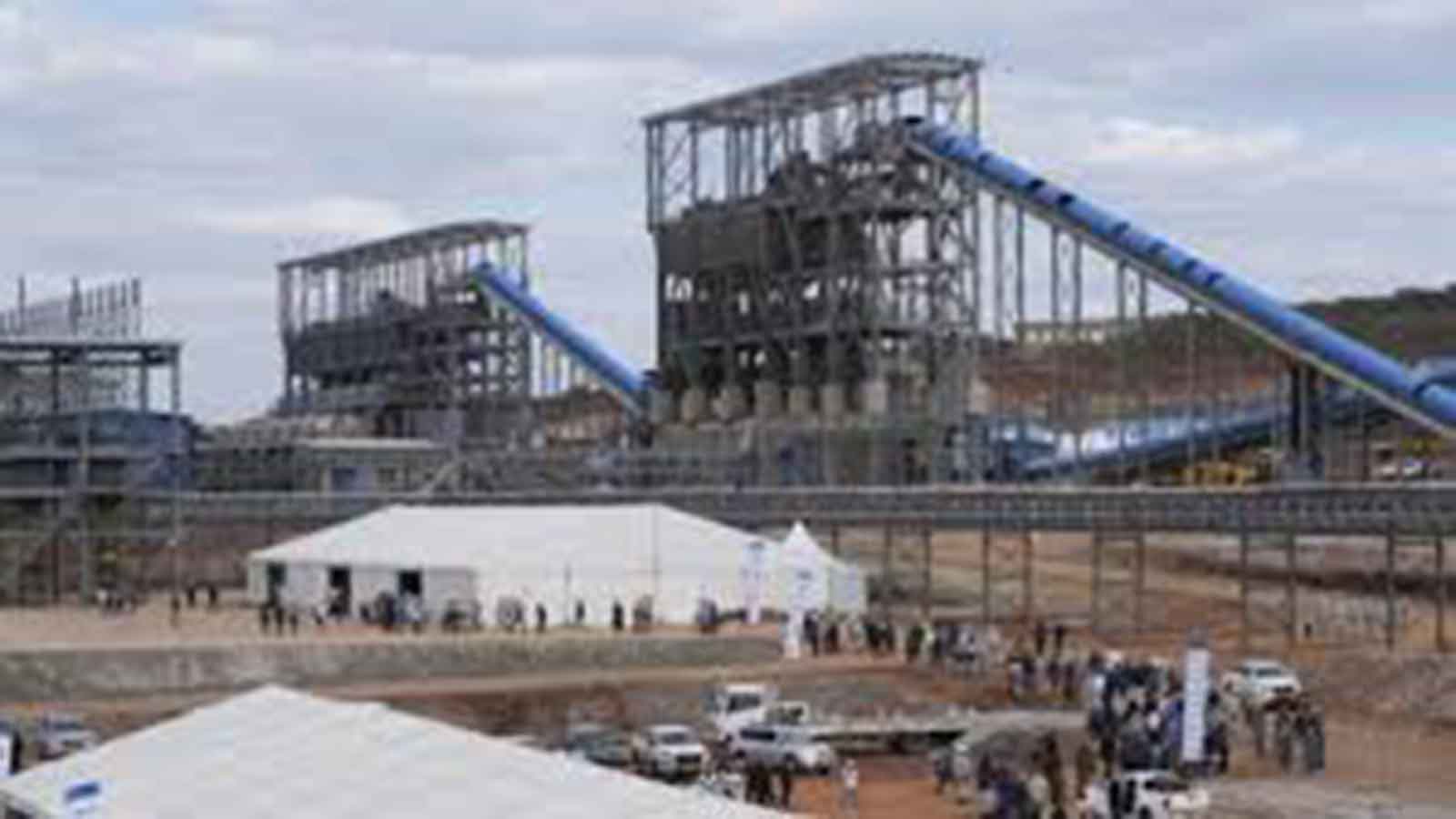
Oliver Kazunga, [email protected]
ZIMBABWE has taken a major step up on the global lithium value chain with the recent operationalisation of Africa’s first lithium sulphate processing plant, a US$400 million investment expected to create more than 2 000 jobs while accelerating the country’s mineral beneficiation drive.
The lithium sulphate processing plant, established in Goromonzi District, Mashonaland East Province, by Arcadia
Technology Zimbabwe (ATZ), a sister company to Prospect Lithium Zimbabwe (PLZ) under Huayou Cobalt, marks the country’s entry into the global battery chemicals industry.
The facility will process locally mined spodumene and petalite into lithium sulphate — a high-value intermediate chemical used in the manufacture of lithium-ion batteries for electric vehicles, renewable energy storage systems and other advanced technologies.
The project marks a significant shift from the export of raw lithium minerals towards value addition, in line with the Government’s strategy to industrialise the mining sector and maximise returns from the country’s mineral wealth.
In a statement posted on its official X platform, the Ministry of Industry and Commerce described the investment as a milestone in Zimbabwe’s industrialisation and beneficiation agenda.
“Zimbabwe is moving beyond exporting raw minerals to unlocking greater value through beneficiation and value addition. This transformative investment, valued at approximately US$400 million, represents the first lithium sulphate processing plant in Zimbabwe and on the African continent,” the ministry said.
It said the project would create more than 2 000 employment opportunities while facilitating technology and skills transfer, strengthening local supply chains and downstream industries, increasing export earnings and foreign currency inflows, and generating additional tax revenue.
“The plant is creating over 2 000 employment opportunities, facilitating technology and skills transfer, strengthening local supply chains and downstream industries, increasing export earnings and foreign currency inflows and generating additional tax revenue to support national economic growth and sustainable development,” the ministry said.
It added that ATZ was advancing Zimbabwe’s mineral beneficiation agenda by processing locally mined lithium into a significantly higher-value chemical product for export.
The development places Zimbabwe among a select group of countries producing refined lithium chemicals, strengthening its position in the rapidly expanding global battery materials market.
The ministry said the project also supports Government’s rural industrialisation programme by ensuring communities hosting mineral resources derive greater economic benefits through local processing and job creation.
“Rural industrialisation is ensuring that more of our country’s mineral wealth is processed at home, creating jobs, developing communities where resources are found and allowing Zimbabweans to benefit from the full value of their natural resources,” it said.
Industry analysts are on record saying processing lithium into higher-value chemical products enables producing countries to capture more value from their mineral resources than exporting unprocessed concentrates alone.
Global demand for lithium chemicals continues to rise as countries accelerate the transition to electric mobility, renewable energy and energy storage technologies, creating new opportunities for producers capable of supplying processed battery materials.
Zimbabwe, which possesses some of the world’s largest hard-rock lithium deposits, has attracted significant investment into the sector in recent years as Government prioritises value addition and beneficiation.
The Government envisages that mineral beneficiation can support industrial development by increasing the value of exports, creating skilled employment, strengthening domestic supply chains and broadening the manufacturing base.
The ATZ plant is expected to become a significant addition to Zimbabwe’s lithium industry as the country expands local mineral processing and seeks a larger role in the international battery materials market.
As demand for battery materials continues to grow globally, the ATZ project positions Zimbabwe to capture a greater share of value from its lithium resources through local processing rather than exports of unprocessed minerals.
Meanwhile, the country is on the brink of a major mineral export boom, with export earnings projected to surge to at least US$21 billion within the next two years as Government intensifies the drive for value addition and beneficiation.
Zimbabwe recorded more than US$16 billion in foreign currency receipts last year — the highest since Independence, which marks a sharp rise from the US$5,5 billion realised in 2017 before the advent of the Second Republic.
The mining sector, which accounts for about 70 percent of national export earnings, remains the backbone of this growth, with authorities now shifting focus from raw mineral exports to in-country processing to unlock higher value and boost foreign currency inflows.
In 2025, Zimbabwe earned about US$3,4 billion from mineral exports excluding gold and silver, representing a 14 percent increase from the previous year.
Gold exports generated about US$4,8 billion, while lithium contributed US$571,6 million.
Government is now driving beneficiation across strategic minerals, including lithium, platinum and diamonds, to boost export earnings, create jobs, reduce reliance on raw commodity exports and accelerate industrialisation.
In February, President Mnangagwa suspended exports of lithium concentrates and other unprocessed lithium minerals as part of measures to enhance accountability, promote value addition and improve value retention within the mining sector.
A quota system has since been introduced to allow producers to continue limited exports during the transition period, with Government indicating that exports of lithium concentrates will be phased out completely by January 2027, when all producers are expected to have established local processing facilities.