Online Reporter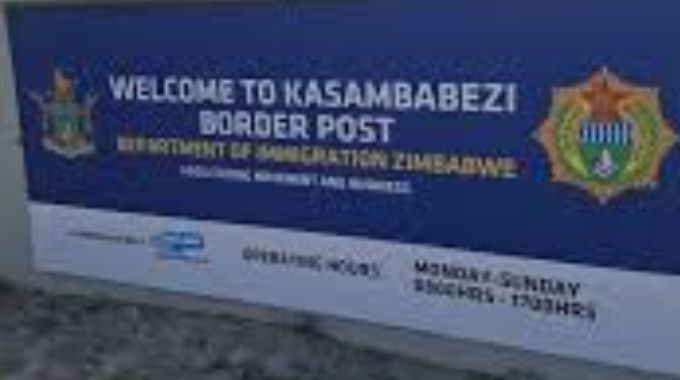
FOR generations, the mighty Zambezi River was a cruel paradox for the people of Binga. It was a lifeline that provided water and sustenance, yet it was also a deadly barrier that divided families, hindered healthcare, and throttled economic opportunity.
The image of Tonga families risking their lives in rickety boats – crossing not just a river but a bureaucratic void – has been a haunting symbol of marginalisation. However, with the completion of the Kasambabezi Border Post, that painful chapter is finally being closed.
This is not merely about a new building; it is about restoring dignity. The official opening of this border post next month marks a fundamental shift in the relationship between the state and the border communities of Matabeleland North.
For too long, the absence of formal infrastructure forced the people of Binga into the shadows of the informal economy. They were left with a cruel choice: risk drowning to visit a sick relative on the Zambian bank, or forgo the traditional ceremonies like the Lwiindi festival that define their cultural identity. The new facility dismantles these barriers, offering legal, safe, and regulated passage.
The strategic importance of this project, spearheaded under the Second Republic’s Binga Development Initiative, cannot be overstated. It is a textbook example of the “leaving no one and no place behind” philosophy in action.
Previously regarded as a peripheral outpost, Binga is now a focal point of high-value investment and infrastructure rollout. By establishing a modern facility with solar backup, robust internet connectivity, and full systems integration for Immigration and ZIMRA, the Government has transformed a smuggling hotspot into a conduit for legal trade and revenue collection.
This is where the economic wisdom of the project shines. While the humanitarian angle is paramount – saving lives and reuniting families – the fiscal benefits are equally critical. The informal crossings were bleeding the national fiscus through rampant smuggling. By formalising this route, Zimbabwe is not only clamping down on illicit flows but actively creating a new revenue stream. The legal movement of goods will invigorate local businesses and open up cross-border markets for Binga’s farmers and traders.
We are moving from a narrative of loss to one of economic empowerment.
Furthermore, this border post is a diplomatic bridge. As Special Advisor Dr Jorum Gumbo rightly noted, it speaks to the “sisterly” bonds between Zimbabwe and Zambia. The project solidifies a historical relationship, facilitating not just trade but the movement of ideas and culture. It opens the door for tourism integration, allowing Zambian visitors to enjoy Binga’s famous beaches and cultural heritage, thereby creating employment opportunities for local youth.
Critics might argue that infrastructure alone does not guarantee development, but in Binga, this border post is the catalyst that the region desperately needed. It is the anchor for a broader transformation that includes health, water, aviation, and education.
For the Tonga people, this development is deeply personal. It represents the end of an era where geography dictated destiny. It acknowledges their historical ties across the river and gives them the infrastructure to maintain those ties legally and safely. The era of dangerous crossings is over; the era of regulated prosperity is here.
President Mnangagwa’s transformation of Binga is undeniable. The Kasambabezi Border Post stands as a testament to what is possible when development is intentional and inclusive. It is a sign that the Government listens to the needs of its people, even those in the most remote corners.
As the sun sets over the Zambezi, the future looks brighter for the families on both banks.