Online Reporter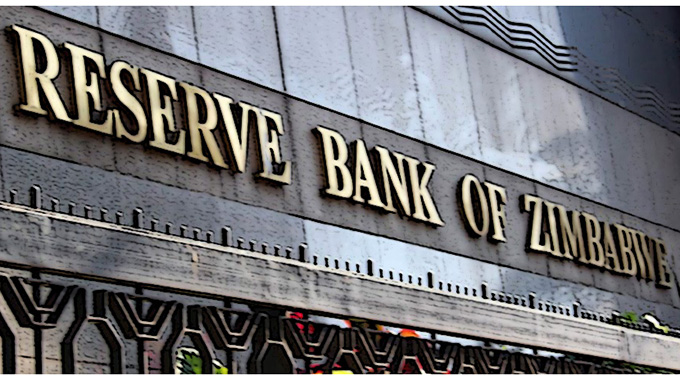
FOR ordinary Zimbabweans, inflation isn’t just a number; it’s the reality of life that affects daily routines, purchasing power, and savings.
The memories of 2008, when hyperinflation peaked at astonishing levels — 231 million percent year-on-year, with some estimates suggesting even more astronomical figures — linger in the collective consciousness of many.
The recent announcements by the Reserve Bank of Zimbabwe (RBZ) regarding a drop in inflation to single digits are a beacon of hope, but it is important to understand what this means for the average Zimbabwean.
The scars of hyperinflation have shaped a generation’s economic behaviour. In 2008, not only did prices fluctuate dramatically within a single day, but wages became almost meaningless before they could be spent. The trauma from such instability bred a deep-seated mistrust in the currency and financial systems.
As a result, many Zimbabweans began to view inflation not merely as a monetary phenomenon but as a daily threat to their very livelihood. Thus, the significance of the RBZ’s current figures, indicating a decrease to 15 percent inflation by December 2025 and 4,1 percent by January 2026, cannot be overstated.
The RBZ attributes this new stability to disciplined monetary policy. Maintaining a policy rate at 35 percent while keeping lending rates in check symbolises a commitment to avoiding past pitfalls that led to rampant inflation.
Crucially, stopping Government borrowing from the central bank marks a departure from previous practices that fuelled inflation through unchecked spending. The mechanics behind these numbers appear sound. But some remain sceptical after the experiences of 2008.
In the markets, most traders reflect a palpable change. No longer do they need to adjust prices weekly. This stability translates into a calmer consumer experience, suggesting a potential shift in the psychological landscape surrounding the Zimbabwe Gold (ZiG). The fact that about 30 to 40 percent of transactions are now conducted in ZiG indicates a gradual restoration of faith in the currency— a vital step toward economic normalisation.
Historically, inflation in Zimbabwe has been tied closely to exchange rate volatility. The narrowing of the black market premium from over 140 percent to around 20 percent marks a significant victory. As the interbank exchange rate steadies, predictability in pricing has become more common.
For ordinary families, this means budgeting without the anxiety of drastic price changes from one week to the next. The figures are encouraging, and go a long way in dispelling scepticism on whether this new-found stability is merely a pause. We believe it should be the beginning of a more robust economic foundation.
One of the pillars supporting the RBZ’s assertion of stability lies in the accumulation of foreign reserves. With approximately 1,5 months of import cover, the RBZ has positioned itself to respond to potential external shocks.
However, some may question whether this cushion is enough or whether it could evaporate as rapidly as it was built.
Credibility in monetary systems is essential. The fact that Zimbabwe’s currency is now backed by foreign reserves, including gold, offers a layer of reassurance. However, whether this will translate into long-term economic stability depends largely on continued fiscal discipline at both Governmental and personal levels.
While the decline in inflation signals progress, it does not come without some challenges. The disappearance of volatility eliminates informal profit channels, squeezing the margins of money changers and traders who have thrived in chaos. Furthermore, with the implementation of strict inflation control, businesses must adapt to heightened competition based on efficiency and quality rather than speculative practices.
Consumers may also feel the effects of “shrinkflation,” where products are offered in smaller sizes at the same price — a change that can erode purchasing power despite stable inflation.
For ordinary Zimbabweans, the tangible benefits of lower inflation are becoming evident. Basic goods such as bread and cooking oil have shown less erratic pricing, allowing families to plan their budgets with a degree of certainty previously deemed unattainable. This psychological shift from frantic survival to cautious planning reflects broader changes within the nation.
The critical test lies ahead: whether the RBZ can maintain its course of discipline amid external pressures and domestic demands. Continuous restraint on money supply growth, stability in exchange rates, and a commitment to bolstering foreign reserves will be paramount.
While the latest inflation figures project a stabilised economy, they symbolize more than mere numbers. They embody the hopes, fears, and lived experiences of hyperinflation turmoil. It is our hope that this new-found stability will blossom into a sustainable recovery. In essence, the journey towards lasting stability requires not just policy reform but a collective national commitment to resilience and adaptability.