Online Reporter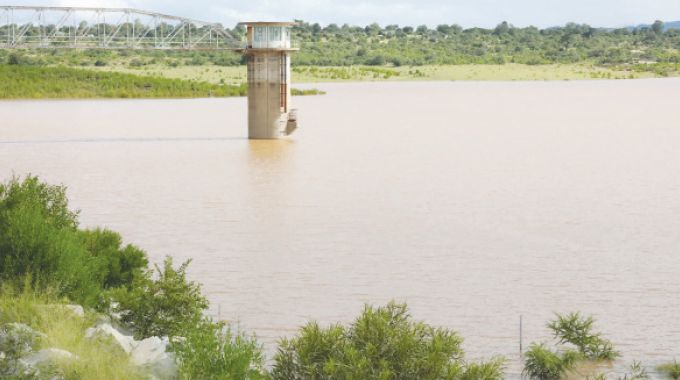
BULAWAYO, the country’s second‑largest city, is once again staring down a water emergency that feels all too familiar.
The announcement that the municipal council will “review its water shedding regime in March this year” after a “thorough assessment of rainfall inflows” is not just bureaucratic routine — it is a stark reminder that the city’s lifeline remains fragile.
The six dams that feed Bulawayo — Umzingwane, Inyankuni, Upper Ncema, Lower Ncema, Mtshabezi and Insiza — have recorded “insignificant inflows,” a phrase that masks a harsher reality: drought is not a seasonal inconvenience but a chronic stressor on households, industry and essential services.
For years, Bulawayo has endured water shortages that ripple through every facet of urban life. Schools scramble to keep sanitation facilities functional, businesses factor water uncertainty into production plans, and residents queue for hours at communal taps.
The current crisis is not an isolated incident; it is the latest chapter in a saga that dates back to the early 2000s, when climate variability began to outpace infrastructure upgrades.
The city’s water‑supply system, designed for a different climatic baseline, is now being tested by prolonged dry spells and erratic rainfall patterns — hallmarks of climate change.
This time the trigger is simple: the dams are not filling. Despite recent rains — often touted in media as a silver lining — the inflows have been negligible. It is a bitter irony that the very rains that should replenish reservoirs instead evaporate or run off into already‑strained catchments.
City officials’ hope that “recent rains would significantly improve storage levels” was misplaced, and the admission that the situation is “dire” signals a shift from optimism to realism.
Water shedding, or rationing, is Bulawayo’s blunt instrument for balancing supply and demand. The decision to review the regime in March offers a narrow window for authorities to recalibrate allocations, perhaps extending hours of supply to critical sectors like hospitals or shifting burdens to less‑essential users.
However, any such review must avoid the pitfalls of past exercises, which often lacked transparency and equity. Residents need clarity on criteria: How will zones be prioritised? What data will inform the new schedule?
Without public participation, the review risks deepening mistrust.
The narrative around Bulawayo’s water crisis can no longer sidestep climate change. The region’s weather patterns are becoming increasingly unpredictable.
Meteorologists warn that southern Africa will face hotter, drier conditions interspersed with intense, short‑duration storms. This reality demands a paradigm shift — from reactive water shedding to proactive resilience building.
Investing in diversified water sources (eg, boreholes, recycled water, inter‑basin transfers) and upgrading ageing infrastructure should be non‑negotiable.
Water scarcity is not just a social issue; it is an economic one. Bulawayo’s industrial base, including manufacturing and mining, depends on reliable water supply.
Chronic shortages elevate production costs, discourage investment and threaten job security. The ripple effect extends to agriculture in the surrounding regions, where reduced water availability compounds food insecurity. A city that cannot guarantee water cannot promise prosperity.
A report in our sister newspaper, the Chronicle, rightly highlights the “worrying development” for city authorities.
But worrying is not enough. It is time for bold leadership. The council must: Publish Real‑Time Data — Make dam levels, inflow rates and water‑usage statistics publicly accessible. Transparency fosters trust and enables community‑driven solutions.
In addition, the local authority should look at diversifying supply — accelerate projects like borehole drilling, rainwater harvesting and treated wastewater reuse.
Bulawayo municipality should also engage stakeholders — involve residents, businesses and NGOs in designing equitable shedding schedules and long‑term water‑security plans.
Lastly, the city must advocate nationally — lobby central Government for climate‑adaptation funding and policy support, recognising that Bulawayo’s woes reflect a national vulnerability.
The March review of water shedding is a crossroads. It can be a cosmetic exercise that merely shuffles inconvenience, or it can be the catalyst for a more resilient, equitable water future.
For a city that has endured decades of scarcity, this moment demands more than words — it requires action, innovation and a commitment to put water security at the heart of urban planning.
Bulawayo’s residents deserve consistency, not crisis. The question is not whether the dams will refill, but whether the city will finally rise to the challenge of a changing climate. The answer lies in the choices made today.