Online Reporter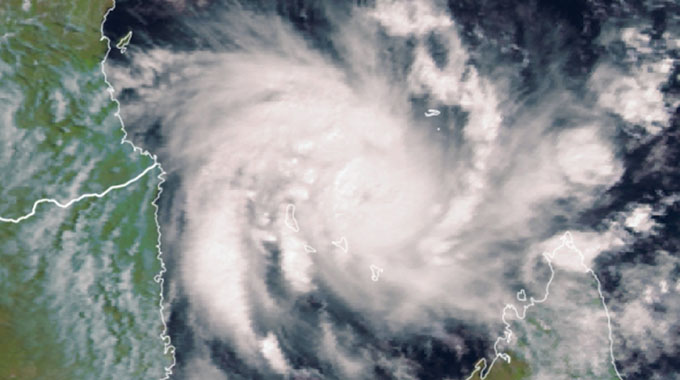
THE warnings from the Meteorological Services Department (MSD) are stark and impossible to ignore: the Southern African Development Community (SADC) region is bracing for multiple tropical cyclones during the 2025/26 rainy season. Up to six cyclones are expected to affect the region, with Zimbabwe facing heightened risk, particularly in the peak rainfall months of February and March.
This is not a distant meteorological concern — it is a direct threat to lives, infrastructure, and the already fragile national economy. While the Civil Protection Unit (CPU) deserves credit for activating its disaster management protocols, this bureaucratic mobilisation must swiftly evolve into a robust, well-funded and comprehensive national response. Reactive disaster management is no longer sufficient; a proactive strategy is essential.
Zimbabwe’s painful memory of Tropical Cyclone Idai serves as a grim reminder of nature’s destructive power when preparedness is lacking. The forecast of normal to above-normal rainfall presents a paradox: while beneficial for agriculture, it significantly heightens the risk of riverine flooding, flash floods and landslides — especially in vulnerable regions like the Eastern Highlands.
The CPU’s multi-sectoral approach, involving the Ministry of Health and Child Care, the Environmental Management Agency (EMA) and various security and aid organisations, must now shift from planning to full-scale operational readiness. This begins with infrastructure resilience — urgent engineering assessments and reinforcements are needed for key bridges, dams and arterial roads. Communication systems, often the first to fail during disasters, must be fortified, with satellite phones and high-frequency radios pre-positioned in high-risk districts.
National alerts are vital, but they must be translated into clear, accessible messages for remote communities. This requires a blend of traditional communication methods and modern media, with evacuation routes clearly marked and community leaders empowered to disseminate information. Public health preparedness is equally critical: the Ministry of Health must intensify disease surveillance, particularly for cholera and malaria, which flourish in post-flood conditions. Water purification kits, mobile clinics and essential medicines must be stockpiled at district level — not centralised in the capital city.
In parallel, safe temporary shelters — such as schools, community halls and religious buildings — must be identified, equipped and ready. These centres must be stocked with blankets, food and sanitation facilities to prevent them from becoming secondary disaster zones. It is imperative that these measures are uniformly implemented across all 10 provinces, overcoming any political or bureaucratic inertia.
The core principle of disaster management is simple: prevention is far cheaper than recovery. While pre-emptive funding may seem substantial, it is negligible compared to the billions required for reconstruction, economic recovery, and the tragic loss of life that a major cyclone can cause. The Ministry of Finance must treat the CPU’s contingency plan as a national priority, not a budgetary afterthought. We urge the Treasury to release the necessary funds without delay. Plans without financial backing remain theoretical and ineffective.
Finally, the Government must actively engage regional bodies such as SADC and international partners including the United Nations. Securing logistical support, aerial assistance and emergency funding in advance will ensure swift and co-ordinated relief efforts, avoiding delays caused by late-stage negotiations. The Minister’s assertion that disaster risk involves “anticipating, preparing and mitigating” must now be matched by decisive action across all ministries.
The forecast offers a rare gift of foresight. It is good to note that the Second Republic agrees that to ignore the forecast would be a moral and economic failure of the highest order. The nation looks to its leaders for the timely allocation of resources to safeguard vulnerable communities in the path of the impending storms.