Online Reporter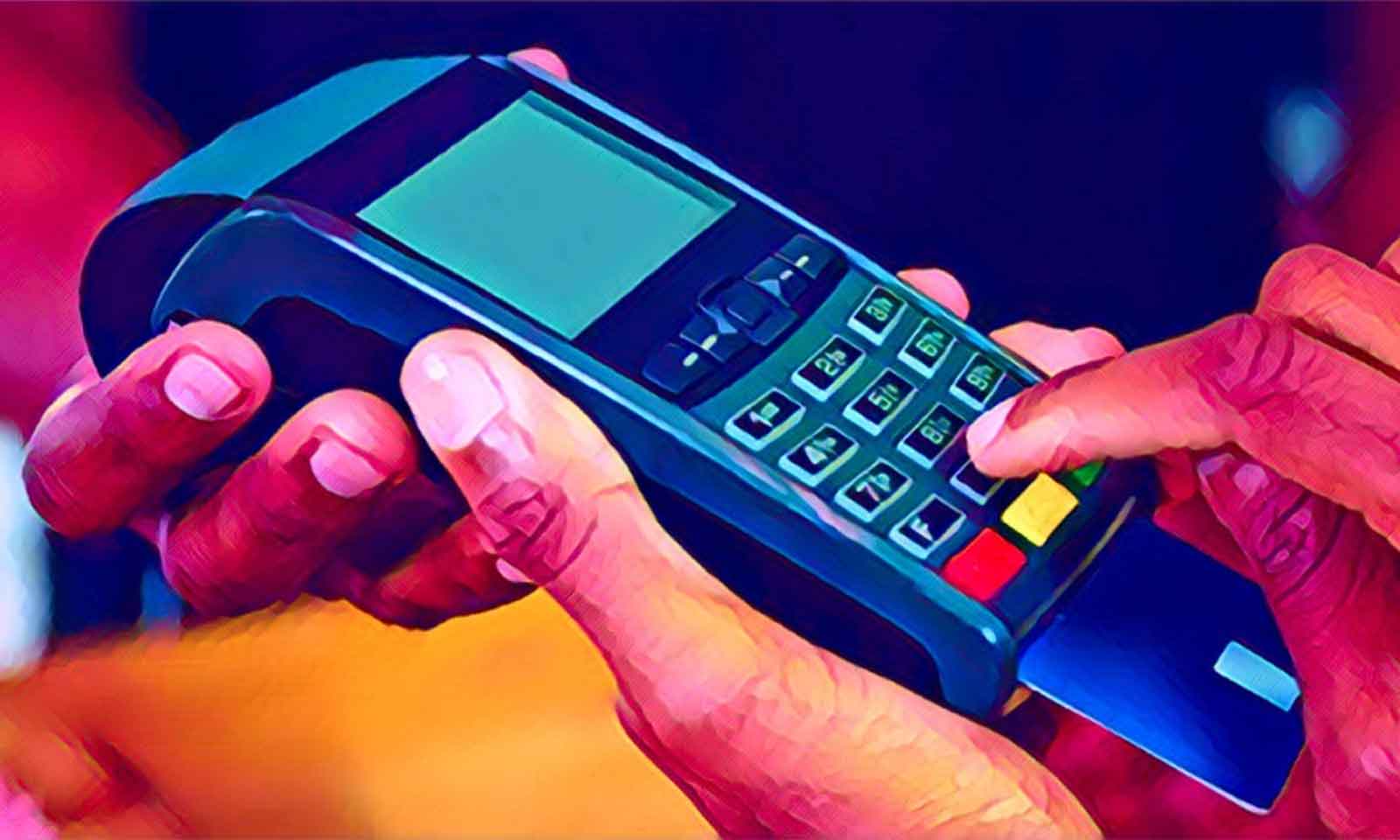
With all arms of Government, including the regulatory and statutory bodies, now required by law to provide the full range of electronic systems for those having to pay statutory fees, charges and any penalties, life becomes a lot easier for those of us who need to buy licences, pay taxes and come up with the money for a range of charges.
Some sections of Government are already largely compliant, such as Zimra, who ended those dreadful month-end and quarterly queues of people and business representatives wanting to avoid later penalties and interest payments by meeting tax payment deadlines, without admittedly giving the Government an interest-free loan by paying too far in advance.
That switchover saw other major advantages, along with the data systems calculating customs duties and the like in advance.
Not only did this make payment much easier and remove the cashier queues, it also eliminated a lot of potential corruption. You cannot bribe a computer. Other units have followed that example, which is one reason the passport offices are now no longer clogged with bureaucracy.
The law needs to be extended to make sure all local authorities go digital, so ratepayers cannot only use electronic money platforms, which are now fairly ubiquitous, but can also generate electronic receipts which is not the case at the moment for, say, the City of Harare, requiring searches of people’s bank or mobile money transactions to track down municipal payments without any indication of the property covered outside the receipts.
This is why some people planning on paying using their phone or a bank card still have to queue, especially if they live in a shred complex where everyone needs to make their payments before these are consolidated into the accounts, or simply if they need to prove which property is now compliant with the rates levied.
This need for detailed electronic receipts, which do not need to be printed, is an important adjunct to the need for electronic payments.
The latest Finance Act still requires all Government and quasi-Government units to allow cash payments a vital concession since we are now trying to bring in the whole informal economy into the mainstream and make them pay their quite often trivial fees and taxes, but we should still be encouraging them to use their “phone money” wherever possible.
That would cut the administrative fees considerably, as well as make life easier for the payer who does not have to pay the sort of extra surcharges now being levied on cash withdrawals.
Ideally we should be moving towards the cashless society with all payments made electronically. One huge advantage to both payers and those receiving the cash with electronic payments is that the transaction is instantaneous; the entity collecting the cash no longer has to send a team of security guards to the bank with a trunk of cash. The money is already there.
So far as the Finance Ministry is concerned the money is not just paid, but is in the Consolidated Revenue Fund instantly, with the ministry or statutory collecting the money having two near simultaneous entries in its books, the collection of the money and the transfer to the central Government account.
With our present fiscal discipline of zero overdrafts and almost zero borrowing that is a useful budgeting tool.
The new Finance Act gives the payer of these fees and charges electronically other advantages. Once the fee is paid and recorded, which is instant, the payer is entitled to the full service paid for, without any other input or delay.
This also means the electronic systems in every agency have to ensure that the payments are not just accepted and recorded, but that whatever databases are used reflect, again instantly, that the client is entitled to everything licence or whatever gives.
And on a proper full electronic platform this means that the payments can be made at midnight if necessary by a client with an internet connection, and these days those can be topped up at midnight without fuss, so at 8am when the Government office staff come in and check, the service is already running. We live in the third decade of the 21st century and we should act as if we do.
Going electronic also makes the job of auditing much speedier and simpler. Everything is there is the data bases at the bank, mobile money business or Government agency, without a human being interfering or touching the money as it moves through the system.
The auditor largely needs to confirm that the systems are adequate, allowing for example all those in arrears, or not paying, to be identified for follow up action.
The large scale private sector has switched over to almost everything that is required some time ago.
At a till point you use a phone or card to make a payment, and you get a printed receipt that you can keep for your records if necessary and do not to have to page through long lists of payments to track down the want.
The Government forced a large swathe of the private sector to change over by the need to have tills that talk to Zimra and record all incoming payments to make sure VAT is paid without cheating.
The new moves were needed, and even if we have to keep the option of cash payments, largely to cope with the informal sector being brought aboard the systems, we would expect most people and formal businesses, with a growing percentage of informal businesses, switching over for the sheer convenience.