SCATTERED rains received in parts of the country last week have brought welcome relief to livestock farmers and raised hopes among crop producers preparing for the 2026/27 summer cropping season.
However, these early showers must not be mistaken for the beginning of a dependable rainfall season, particularly when forecasts continue to point to potentially dry conditions associated with the predicted El Niño weather pattern.
The message from Government is clear: farmers must exercise caution, remain patient and make informed decisions based on local weather conditions rather than allowing the excitement of the first rains to dictate their planting schedules.
This is sound advice that deserves serious consideration.
Zimbabwe’s agricultural sector remains highly vulnerable to rainfall variability, and the consequences of planting prematurely can be devastating for households whose livelihoods depend on successful harvests. With meteorological forecasts pointing to predominantly below-normal rainfall, farmers cannot afford to gamble with scarce seed, fertiliser, labour and other essential inputs.
The recent showers have undoubtedly improved prospects for livestock production, particularly in drought-prone Matabeleland South, where depleted pastures and destructive veld fires have placed pressure on animal health and survival. Some rivers have started flowing, while the moisture is expected to encourage the regeneration of grazing areas and vegetation.
These developments are encouraging, but they should be viewed as an opportunity to strengthen preparedness rather than evidence that the drought threat has disappeared.
The Meteorological Services Department has forecast predominantly below-normal rainfall across the country during the October-December period, with dry conditions potentially persisting into January-March 2027. Such projections demand a carefully coordinated response from farmers, agricultural authorities and other stakeholders.
For crop farmers, the greatest immediate danger is planting too early in response to isolated thunderstorms. A field may receive enough rain to encourage germination, only for the moisture to disappear during a subsequent dry spell. Seeds may germinate and seedlings begin to emerge, but prolonged moisture stress can destroy the crop before it becomes established.
The result is not merely a poor harvest. It can mean wasted agricultural inputs, increased production costs, mounting household food insecurity and greater pressure on national grain supplies.
Farmers must therefore appreciate the difference between receiving rainfall and having sufficient soil moisture to sustain crop establishment.
While the Ministry of Agriculture has indicated that farmers may consider planting after receiving more than 20mm of rain over three days, this should not be treated as a universal guarantee that conditions are suitable.
Rainfall distribution, soil type, field conditions, crop selection and the likelihood of subsequent dry spells must also inform planting decisions.
Farmers should consult agricultural business advisory officers and follow regular weather updates before committing their resources.
When suitable planting conditions arrive, those who have prepared adequately will be better positioned to take advantage of the available moisture.
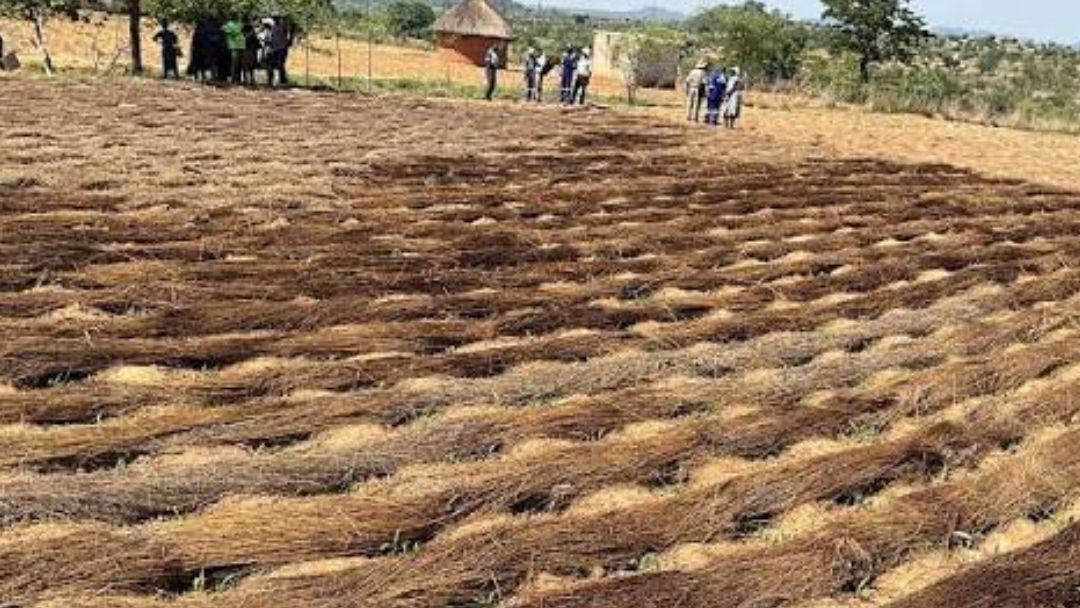
The Government’s Intwasa/Pfumvudza programme is particularly important in this regard. Its emphasis on conservation agriculture offers practical measures for improving soil moisture retention and reducing the risks associated with erratic rainfall.
Proper basin preparation, manure application, mulching and appropriate crop selection can help farmers make more efficient use of the limited water available.
These practices are especially valuable for smallholder farmers who often lack irrigation facilities and have limited financial resources to recover from crop failure.
However, the success of the programme will depend on more than the number of plots prepared. While the Government is targeting 16 million Pfumvudza plots, with three million rural beneficiary households expected to establish at least three plots each, attention must also be paid to the quality of implementation.
Farmers need timely access to inputs, practical extension support and clear guidance on adapting their operations to local rainfall conditions.
The reported preparation of 4.6 million plots by one million households represents progress, but the ultimate measure of success must be the production of adequate food despite unfavourable weather.
The lesson is straightforward: agricultural success in an uncertain climate depends not simply on how much rain falls, but on how wisely available moisture is used.
Early showers may open the door to a productive season, but sound decisions, timely support and resilient farming is critical during this tricky season.