Lovemore Dube, [email protected]
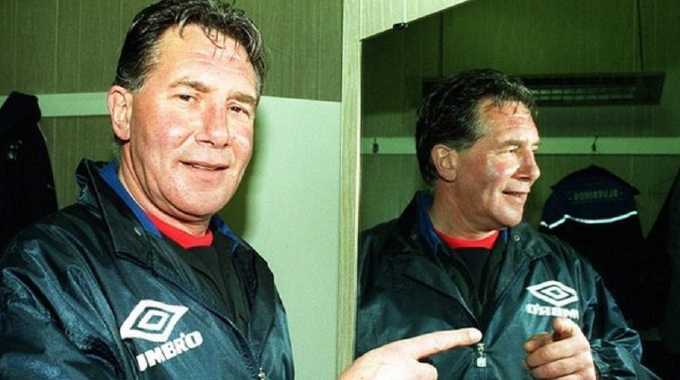
FORMER Highlanders coaches Silas Ndlovu, Methembe Ndlovu and the late Barry Daka, Roy Barreto, Eddie May and Rahman Gumbo will always be remembered for the silverware and players that they worked with to make the black and white half of Zimbabwe glow in football glory.
Sunday Life has over the past two months focused on players by position and having exhausted the list, this week we focus on men who have coached the club with varying degrees of success.
Without these men Highlanders would probably not have achieved as much as they had a say on the players that came on board.
The early 1970s had coaches like Luiji Gigi and player/coach Chris Mhlanga.
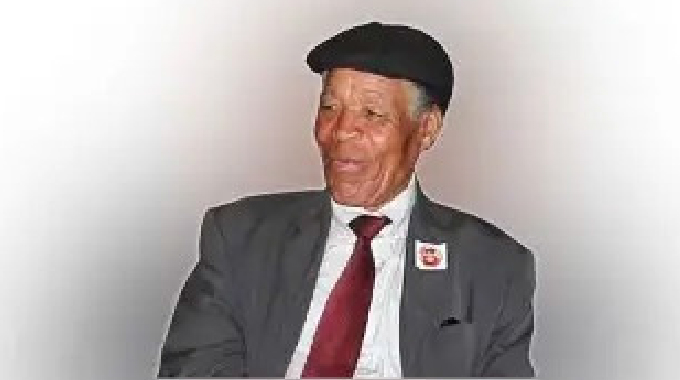
Mhlanga was a striker who had attracted national attention because of his goal-scoring prowess and when he was brought from Harare where he turned out for Dynamos and Rufaro Rovers, the former
Nimfa Rovers star, was expected to replicate the form that had seen national selectors draft him into the 1969 World Cup qualifiers squad.
But 1971 was not to be Highlanders’ years as the club was relegated on first attempt in the elite division finishing the race with just seven points.
A good run in 1972 saw Highlanders finish second and gain promotion into the national top division along with Rangers as the Rhodesia National Football League was split into two, North and South Regions.
Highlanders’ turn around engineered by the resourceful Mhlanga who would later form the Bulawayo Social Soccer League, saw the club embrace his idea of a manager who would have sweeping control.
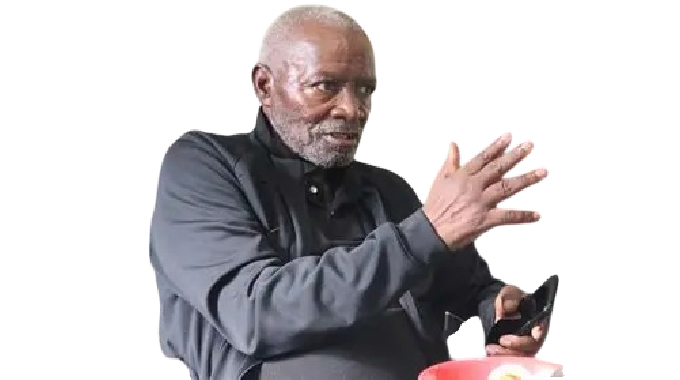
With the matter taken to a vote, Silas Ndlovu became the British style manager who was also the head of technical.
Wise recruitments top among them that of Tymon Mabaleka who arrived as a swap transfer with Mhlanga going to Eastlands, striker Peter Bepe from Sakubva, Highlanders won the Chibuku Trophy in 1973 and regional title of the same year before finishing second to Metal Box in the national league play-off.
More player acquisitions in 1974, the return of Barry Daka from Wankie whom he had joined towards end of 1970 after leading Bosso to the Second Division title, the arrival of Itai Chieza, Isaac
Mafaro, Chutika Tembo, Peter Zimuto, Stanley Nyika, Boet Van Ays and Bruce Grobbelaar, Cavin Duberley strengthened Ndlovu’s resolve not to only dominate the South Region but the whole of Zimbabwe.
With Bosso reaching the final of the 1974 Castle Cup and Chibuku Trophy, it was left to the national league play off and regional title for Highlanders to add something to their cabinet.
Ndlovu saw his charges dominate the regional league in 1975 and looked poised for the 1976 title, in a year leadership of the Rhodesia National Football League saw sense in having one national division.
Highlanders were second to Dynamos at the end of the year after having a match declared a walkover them at Barbourfields Stadium. It rained and Bosso did not go to the stadium and
Dynamos were awarded two points and clinched the title.
Ndlovu had done well to brand Highlanders in those three years.
He rates the best of the coaches to take charge of the team in its infancy in professional football.
Amahlolanyama joined the Football Association in 1969 starting off at lower division level.
James Nxumalo was on board in 1980 when Highlanders reached three cup finals. Bosso won the
Chibuku Trophy 4-0 against Rio Tinto, reached the Rothmans Shield and Zifa Cups.
They bagged the four-team Heroes Shield beating Dynamos 3-1.
Barry Daka, a former club midfield and wing hero, who had left the club in the thick of a big split that gave birth to Olympics in early 1977, returned as head coach in 1984. He would have an enduring and effective stay that extended his legacy as a brilliant young coach after his Rothmans Shield conquest of 1982 with Olympics in a team that had Tito Paketh and Boyce Malunga as stars.
Daka won his first tournament as Bosso coach, the 1984 Chibuku Trophy, 2-1 over Dynamos with the legendary Madinda Ndlovu and Willard Khumalo on target.
A second spot finish in 1985 league race and being a losing finalist in the Chibuku Trophy, 1-0 to
Arcadia saw Daka aided by the presence of some of his former players at Olympics Amin Soma-Phiri, Paketh, Cephas Sibanda and Tobias Mudyambanje breath a new lease of life and had the club dominate tournaments like Chibuku, Rothmans, Independence and Castle Cup, a feat that they would replicate in 1988 where they won everything except the league and Chibuku Trophy.
Daka had players on the calendar in each year from 1985 to 1989, with the club playing some of the most exciting football in the country in an era with some very talented and exciting players countrywide.
Roy Barreto arrived at Highlanders from Zimbabwe Saints in 1989, bought into the Highlanders junior policy products like Daka had done in 1984, several young players got the chance to play regularly and among those were Adam Ndlovu and his young brother Peter, Abraham Mbambo, the late Cleopas Dlodlo was also among the young brigade and in 1990, the sacrifices paid off with a league and double with Daka, Barreto’s assistant in a coaching department which had Lawrence
Phiri as both welfare and technical manager and Cosmas Zulu goalkeepers’.
Another league title in 1993 had been preceded by other cup victories.
With Barreto disillusioned by club’s financial issues accusing Bosso of paying n’gangas ahead of players, he quit, Daka and Zulu leaving also with Madinda starting the rebuilding exercise with younger players.
He would leave for Rahman Gumbo to takeover in 1998, a move that saw younger players get to play and guide the side to two consecutive cup triumphs in 1999 and 2000.
An exit from the Champions League, a second by Gumbo and his troops saw Highlanders bring Briton Eddie May, who guided the club to two championships in 2001 and 2002.
Bosso tried foreign coaches, Freddie Mwila and Dickson Chama in 2003-2005, but that would not yield any trophies.
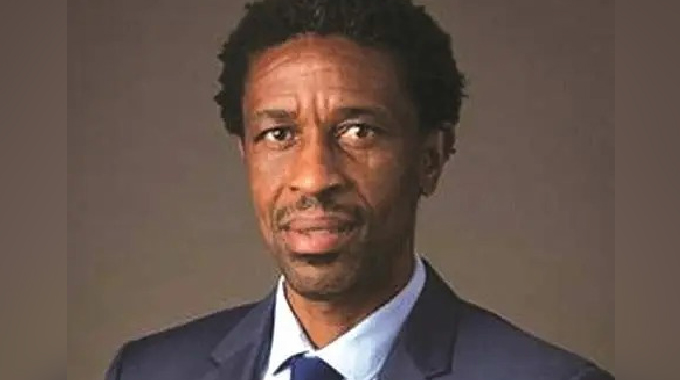
Highlanders got it right in 2006, bringing in young Methembe Ndlovu, then 32 chasing his 33rd, using statistics and scientific methods, he won the club’s last championship that year.
Since then Highlanders has struggled in the race despite EasyCall and Chibuku Super Cup under Zulu and Amin Soma-Phiri and Pieter de Jongh in 2019 respectively.
Scot, Bobby Clark who endorsed his signature on what junior development coach ALI Dube was doing, both deserve mention for the football business sense they had.
Players are the single most disposable assets clubs have and investing in juniors may see teams realising positive returns someday.
It is no doubt that in the club’s 100 years some great men have set out on the club’s dugout.