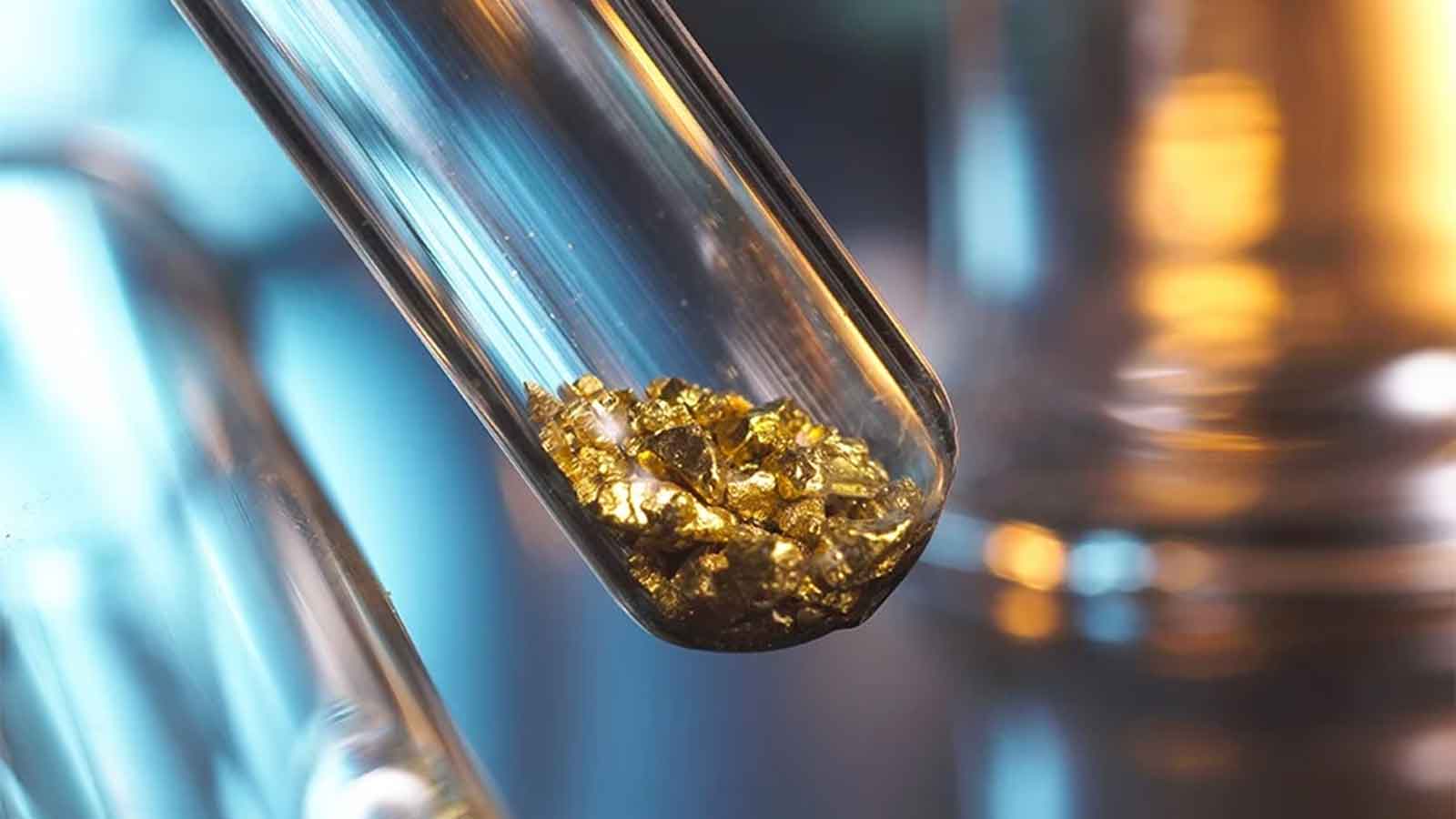
IT has become apparent that several other minerals are frequently associated with lithium ore bodies, although quantities and percentages can only be assessed after tests on the ores and in many cases even the pure mineral salts after beneficiation will require tests.
The additional minerals might be not, and probably are not, in sufficient quantities to make their own mining viable, but can still provide a significant extra value to the mined lithium.
So Zimbabwe needs to know just what is in the concentrated ores after the first on-mine stages and will later need to know what additional metal salts might be included in the lithium sulphates coming out of the beneficiation plants now being commissioned and planned.
The Ministry of Mines and Mining Development, collaborating with the Mineral Marketing Corporation and tapping expertise in the universities, especially the University of Zimbabwe and the School of Mines, is upgrading the National Metallurgical Laboratory in Harare.
The new delivered equipment now being installed will be able to do a complete analysis of samples, identifying and quantifying exactly what is there. Both sorts of tests are needed: we need to know just what is the make-up of the ores and how much of each mineral is present. The full tests can soon be done in Zimbabwe, without any need for certificates from external laboratories.
The discovery that lithium mineral bodies had inclusions of other minerals early this year meant that the slowing advance of beneficiation had to be speeded up. After a temporary ban on ore experts, a new quota system was introduced that allowed ore exports, but only after testing. The new laboratory equipment will speed up that process.
More importantly in the longer term we need to continuously upgrade our mineral mapping, finding more detail so we know exactly what we are mining. Each lithium ore body, and these are scattered, probably has a different make up and it is quite likely that some of the additional minerals might be in such low concentration in some ore bodies that extracting the rarer minerals might be difficult.
But the first detail is to know just what is there. Zimbabwe is not trying to put off investors or make life difficult for them, but does want to know precisely what they are mining, what they could be selling and the quantities involved.
Mining companies are taxed, for all practical purposes, on the quantities of each mineral extracted. There is a table of known minerals and the percentage royalty listed. Royalties are charged and paid on the quantity of each mineral extracted, and so we must know what quantities of what minerals are being mined.
We already cope with this over the platinum group metals. While platinum dominates the output, there are a handful of similar metals in the platinum ore bodies that are viably mined simultaneously and it has been standard procedure for several years that the quantity of each mineral is identified at the final refinery stage.
So in that case we know exactly what was mined and how much tax the miners pay. The royalty rates for all platinum group metals are the same, which simplifies the tax accounts, but that was only because the final metals have roughly similar values. Royalties are paid on mass, not value although in the case of gold there is a sliding scale that allows extra tax to be raised when the global gold price reaches very high levels.
It is likely that some of the intruded minerals in lithium ores will be significantly higher value than lithium, and in any case almost any metal salt will have a much higher unit mass than the similar lithium salt, since lithium is the lightest of all metals. So we need to know in some detail what we are mining so the appropriate royalty can be charged.
We might even luck out and find that in some areas the higher-value minerals can be viably mined on their own, even if there is no lithium nearby, and so advance Zimbabwe’s mining wealth and mining value.
The Mines Ministry is looking at equipping regional laboratories once the national laboratory is fully upgraded. It might be possible to have simpler testing equipment when we are looking for known minerals, which would help spread the service, so long as there is a laboratory that can identify everything and so make up the lists for simpler tests.
The whole point of beneficiation and testing is to ensure Zimbabwe gets full value for its minerals, a declining asset as they are dug out of the ground and sold. Mining and mineral exports have been major drivers of economic growth in recent years, and will be major drivers of heavy industry as we grow.
We need to maintain and grow our mining sector; the royalty system of low percentages on gross has been found to be the most effective and fairest way of taxing mining in most countries, allowing investors to make sensible decisions. All the better testing does is refine the process so we know what we are mining, in what quantities and where, a perfectly reasonable policy.