MacDenias Moyo
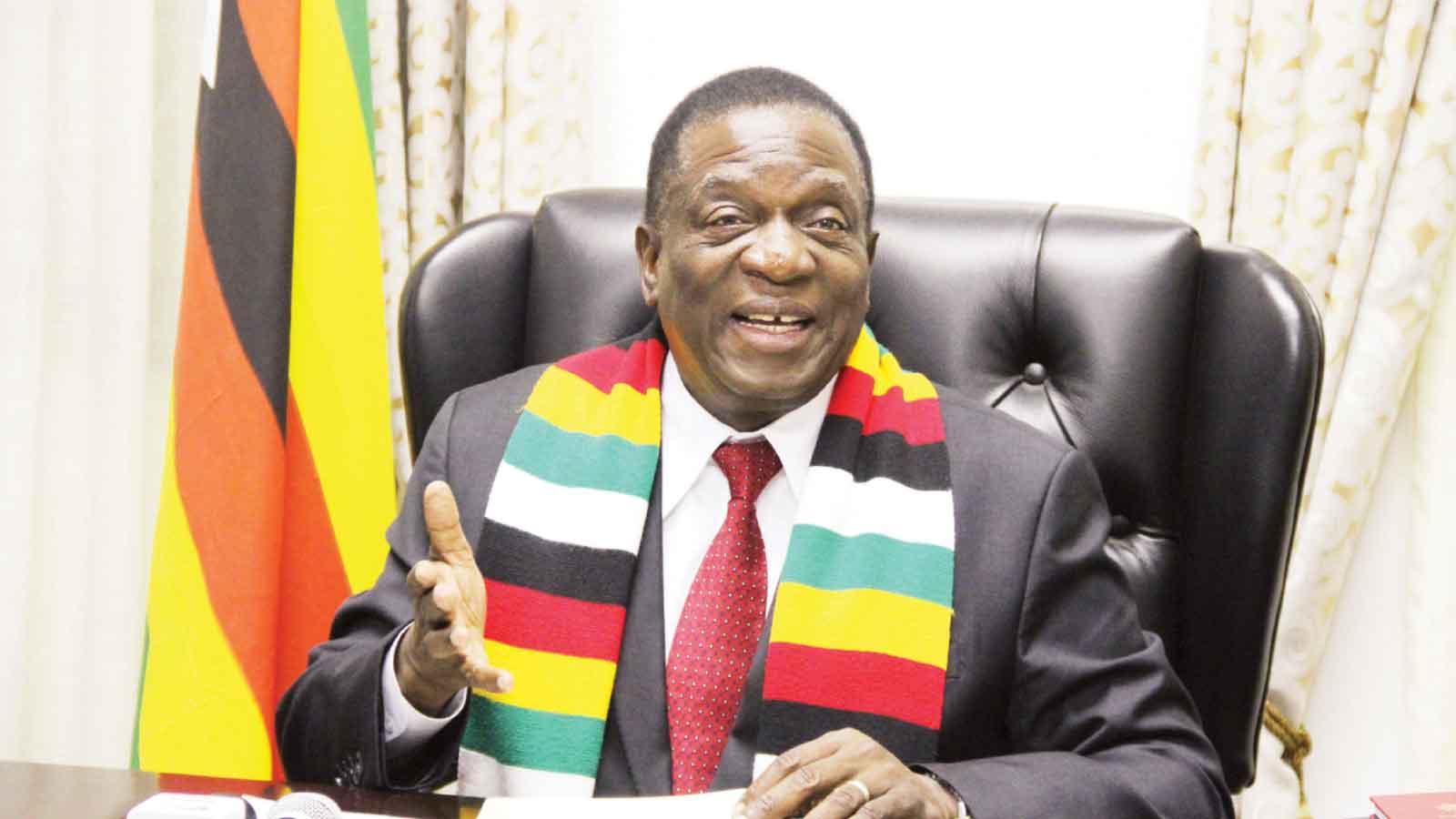
The ink has dried upon the parchment of destiny. President Mnangagwa has affixed his signature to Constitutional Amendment Bill No 3, and in that act Zimbabwe has crossed a threshold from the turbulence of perpetual contestation into the serenity of continuity. This is not a mere statute. It is a covenant. It is the recalibration of our institutions, the purification of our politics, the sanctification of our democracy and the propulsion of Vision 2030 into irreversible motion
CAB3 lengthens presidential terms from five to seven years and reconfigures the electoral process through Parliament. This is not a retreat from democracy but a refinement of it. Elections are indispensable, yet when they occur too frequently they become disruptive, breeding instability and diverting national energy from development. CAB3, therefore, positions governance as a long arc, allowing the state to complete infrastructure projects, consolidate reforms and pursue Vision 2030 without interruption. It is the scaffolding upon which the edifice of national prosperity will be built, ensuring that the march toward an upper middle‑income society is not derailed by premature transitions.
The promise of CAB3 is not only institutional longevity, but also political purification. Zimbabwe’s future generations will inherit a polity less poisoned by polarization, less fractured by perpetual contestation.
Clean politics, free from toxic rivalries, will elevate Zimbabwe’s standing in the world. Investors seek stability, predictability and unity. By reducing political rancour and fostering consensus, CAB3 becomes an engine for foreign direct investment, ensuring that the economic space is hospitable to capital and innovation. The linkage between political stability and economic prosperity is undeniable and CAB3 is the bridge that connects them.
President Mnangagwa’s leadership style amplifies this promise. His open‑door policy, his posture as a listening president, his philosophy of being a friend to all and enemy to none, have redefined Zimbabwe’s diplomatic and domestic landscape. He has welcomed politicians and activists from the opposition, dismantling walls of division and building bridges of unity. Under the banner “Nyika inovakwa nevene vayo,” he has reminded the nation that development is a collective duty, not a partisan privilege. The National Development Strategy 2, launched under his guidance, embodies inclusivity, consultation and shared responsibility, ensuring that no one and no place is left behind.
Measures to do away with polarisation are evident. Opposition lent their votes to CAB3, demonstrating that even across party lines consensus can be forged when the national interest demands it. The President has also taken bold steps to repatriate Zimbabweans from South Africa, many of whom had been critical of his administration on social media. He did not shrink from the chaos such a move might invite but embraced it, insisting that Zimbabweans belong at home.
Businessmen and philanthropists, such as Dr Paul Tungwarara, Dr Kuda Tagwirei, and Sir Wicknell Chivayo, have supported this vision, contributing resources to ensure safe repatriation. This act of magnanimity underscores his commitment to unity, to reconciliation, to the principle that Zimbabwe is one family.
Since 2017 Mnangagwa’s tenure has been marked by a relentless pursuit of national revival. He has re‑engaged the international community, restored respect for property rights and championed investment. He has overseen the stabilisation of energy, the revival of agriculture, the expansion of mining and the reimagining of tourism. His leadership has been patriotic, pragmatic and visionary. He has placed Zimbabwe first, Zimbabweans first, and has insisted that the nation’s destiny is not to be dictated by outsiders, but to be authored by its own people.
CAB3 , therefore, not an end in itself, but a means to an end. It is the scaffolding upon which Vision 2030 will be built. It is the guarantee that the policies of the Second Republic will not be truncated by premature transitions. It is the assurance that the march toward an upper middle‑income society will not be derailed. It is the covenant between present leadership and future generations, promising them a Zimbabwe free of toxicity, rich in unity and abundant in opportunity.
The opposers will continue to decry, for lamentation is their craft. Yet the people see the fruits of stability, the dividends of continuity, the blessings of unity. They see a president who listens, who welcomes, who unites. They see a party that embraces inclusivity. They see a nation that is rising. And they know that CAB3 is the engine that will drive Zimbabwe into the promised land of Vision 2030.
History will record that in the years leading to 2030 Zimbabwe rose to the heights of revival. History will record that under the stewardship of President Mnangagwa institutions were realigned, politics was purified, unity was restored and posterity was secured. History will record that CAB3 was the covenant of continuity, the engine of Vision 2030, the guarantee of a future free from toxicity. And history will record that Zimbabwe, under the Second Republic, marched irreversibly toward greatness.
This is the truth, this is the reality, this is the destiny. Zimbabwe is united, Zimbabwe is stable, Zimbabwe is rising. CAB3 is alive and the Second Republic is triumphant.