Online Reporter
The world is witnessing a diplomatic turning point: the State of Palestine’s campaign for full United Nations membership is gaining unprecedented momentum.
This is not just a symbolic gesture; it is a moral and political necessity, and the recent surge in international recognition makes the case stronger than ever.
Since 2012, Palestine has held non-member observer state status at the UN.
But as the humanitarian crisis in Gaza deepens and hopes for a negotiated peace fade, the call for full membership has become urgent.
Full UN membership would grant Palestine equal standing in the international community, strengthen its legal protections, and give its people a voice in shaping their own future.
Yet, despite overwhelming support from the General Assembly, the United States continues to block Palestine’s bid in the Security Council.

This veto is increasingly out of step with global opinion and with the values the UN claims to uphold.
The tide is turning. As of today, 156 UN member states – nearly 80 percent – now recognise Palestine as a sovereign state.
This year alone, major Western powers such as the United Kingdom, Canada, Australia, France, and Portugal have joined the growing list.
These are not fringe actors; they are G7 and EU nations whose voices carry weight in global affairs.
This surge is not just about numbers. It is a clear rebuke of the status quo; a signal that the world will no longer accept endless occupation, displacement, and violence as the norm.
The catalyst for this shift is clear: the devastating conflict in Gaza, which has killed tens of thousands and displaced millions. The images of suffering have shocked the conscience of the world and exposed the failure of decades-long peace processes.
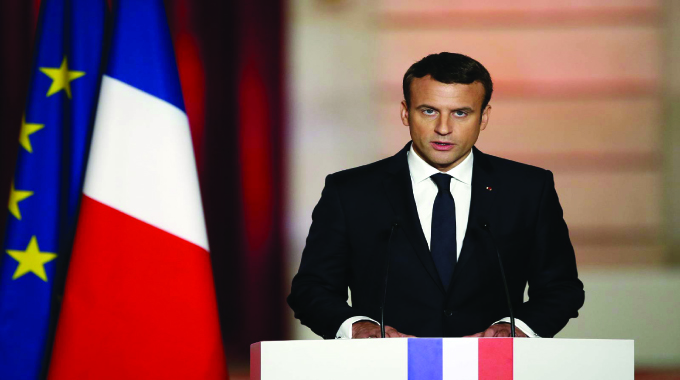
Leaders like UK Prime Minister Keir Starmer and French President Emmanuel Macron have called recognition a moral imperative – a way to keep hope alive for a two-state solution.
Israel’s government has condemned these recognitions, calling them a “reward for terrorism.” The United States insists that recognition should only come through direct negotiations, citing security concerns and the role of Hamas.
But this argument rings hollow when negotiations have stalled for years and the humanitarian toll continues to mount.
Recognition alone does not create a state or change realities on the ground. But it does matter.
It affirms Palestine’s right to exist, strengthens its hand in international fora, and increases pressure on Israel to return to the negotiating table.
Most importantly, it tells Palestinians that the world has not forgotten them.
The surge in recognitions is not just a diplomatic trend; it is a call to conscience.
The world must move beyond symbolic gestures and support Palestine’s full membership in the United Nations.
Anything less is a failure of the international system and a betrayal of the principles on which the UN was founded.
It is time for the global community to act with courage and consistency.