Online Reporter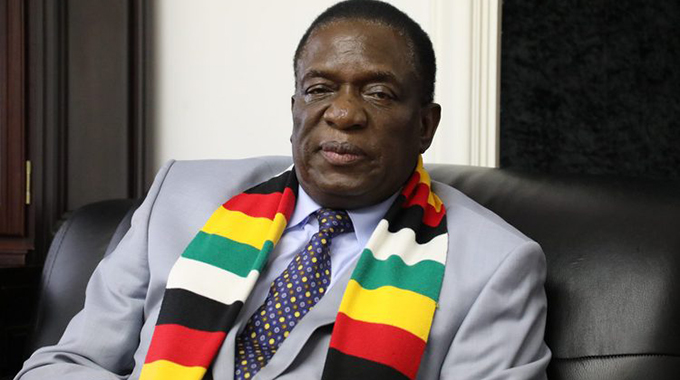
TUESDAY’S High Court ruling dismissing the attempt to halt the Gukurahundi hearings is not merely a legal victory — it is a moral imperative for Zimbabwe to confront its past with honesty and resolve.
For too long, the Gukurahundi disturbances of the 1980s have lingered as a painful and unresolved chapter in our national history. The court’s decision removes obstacles and offers a renewed opportunity for healing, justice, and reconciliation.
The Government’s initiative to empower traditional leaders to spearhead the hearings is a commendable step. Chiefs, as custodians of culture and community, are uniquely positioned to facilitate these engagements with the sensitivity and contextual understanding required.
Their role is not symbolic — it is central to the process of truth-telling and community restoration.
The manual developed by the chiefs themselves, and endorsed by President Mnangagwa, provides a framework for inclusive and culturally grounded dialogue.
However, the success of this process depends on more than just legal clearance and administrative planning.
It is encouraging to observe that the Government has demonstrated political will, provided logistical support, and, most importantly, shown a sincere commitment to justice.
Contrary to the scepticism of some detractors, these hearings will not be reduced to a box-ticking exercise or a public relations stunt. They will be conducted with seriousness, transparency, and the full involvement of the affected communities.
Survivors and the families of victims will be afforded the space to speak openly, without fear of reprisal or censorship. Their testimonies will be carefully documented, preserved, and acted upon.
The process will also address critical practical matters — such as the exhumation and dignified reburial of victims, the issuance of civil documentation, and the provision of reparations where appropriate.
These are not mere formalities; they are vital pillars of restorative justice.
President Mnangagwa has consistently emphasised that resolving past conflicts is a responsibility that lies with Zimbabweans themselves.
The President has done his part and given his blessings to the hearings.
This is a noble and commendable sentiment, but it must now be translated into tangible action by those entrusted with leading the process.
The Gukurahundi hearings present a profound opportunity to show that Zimbabwe is ready to confront its past with maturity and compassion. It is a chance to forge a new national narrative — one grounded in truth, justice, and unity.
The time for delay has passed. The legal path is now clear. Let the hearings commence.