Vusumuzi Dube
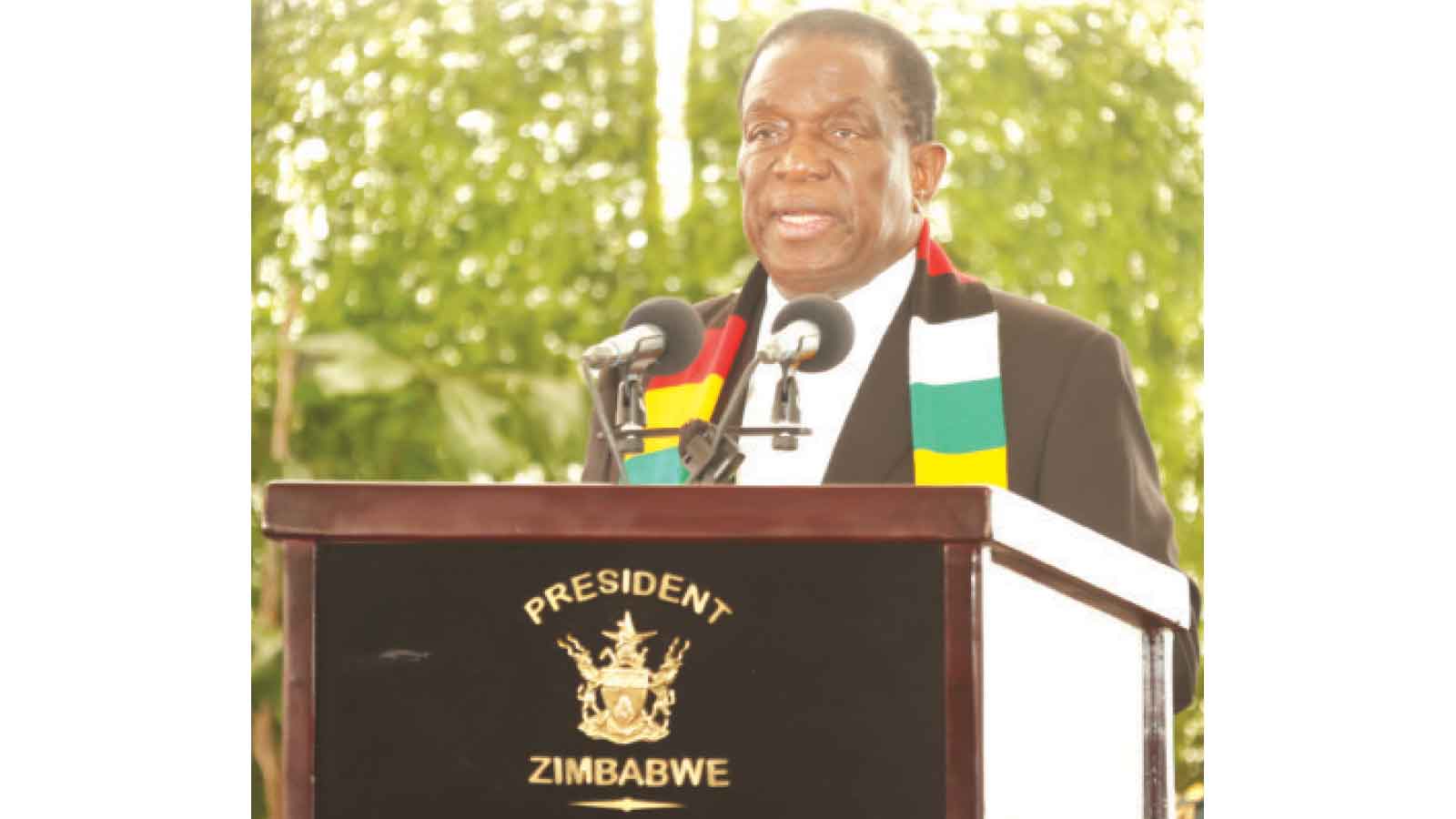
TODAY, Maphisa steps into the national spotlight, entrusted with hosting Zimbabwe’s Independence Day celebrations — a responsibility that carries both honour and meaning.
For Matabeleland South, this moment represents more than ceremonial pride. It is a public acknowledgement that every part of the country matters, that national milestones need not belong to the same places year after year, and that history is best honoured when it is shared widely.
The decision to rotate Independence Day celebrations across provinces has given tangible expression to that belief. By taking national events closer to communities, the Second Republic has allowed citizens to experience independence not as a distant spectacle, but as a lived moment in their own surroundings. Maphisa’s turn affirms the wisdom of that approach, recognising a region whose contribution to the nation’s story has long been under celebrated.
Hosting Independence Day is no small undertaking. It brings with it intense preparation, heightened expectations and a brief but powerful moment of national focus. Yet it also offers rare opportunity. For Maphisa, today is a chance to present itself as it truly is — resilient, proud and deeply rooted in community values. It is a chance to show that national unity is strongest when it is felt at grassroots level. Beyond ceremony and protocol, Independence Day is ultimately about people. It is about citizens gathering not out of obligation, but out of shared purpose — to remember the past, recognise the present and imagine the future. The presence of thousands in Maphisa today will speak louder than any official address, confirming that independence remains a collective inheritance, renewed each year by those who claim it.
Being a host also demands responsibility. Visitors arrive carrying curiosity, expectation and goodwill. How they are received will shape how Maphisa is remembered long after today. Order, courtesy and hospitality are not just civic virtues; they are quiet statements of confidence and belonging. In safeguarding the event, the community safeguards its own reputation.
As the national flag is hoisted in Maphisa today, it rises with purpose, guided by a conscious choice to take national celebrations closer to the people. This approach has broadened the geography of independence, ensuring that remembrance and pride are not confined to familiar centres but felt across the country. Such intentional rotation reflects a deeper understanding that independence gains meaning when it is experienced where people live, work and build their futures.
By opening the hosting map to all provinces, the Second Republic has reinforced a sense of inclusion and shared ownership of national milestones. Communities that once observed Independence Day from the margins are now active participants, entrusted with hosting the nation and shaping how the story is told. Maphisa’s hosting today affirms that Matabeleland South is not merely part of the national narrative, but central to it.
Beyond the celebrations of the day, this moment places a quiet responsibility on the host community.
Maphisa is not simply a venue for this year’s commemorations, but a steward of collective memory, capturing how independence looks and feels at a local level.
Long after the ceremonies conclude, today will endure as evidence that national unity grows strongest when every corner of the country is given space to stand, to host and to belong.


 Online Reporter