Online Reporter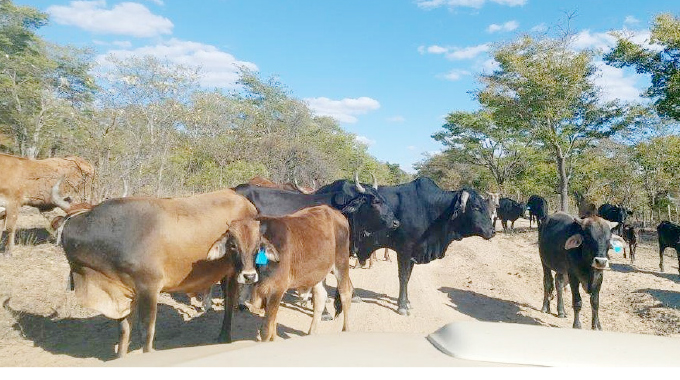
In recent months, livestock farmers in Matabeleland South have shown remarkable resilience and adaptability in response to the challenges posed by El Niño-induced droughts, which devastated the region last year.
With an estimated 19 000 cattle lost across the province, the crisis served as a stark reminder of the fragility of the agricultural sector, particularly in relation to climate change. However, the adversity has sparked a renewed sense of determination among farmers, leading to the adoption of innovative strategies to ensure the growth and sustainability of the national herd.
One of the key strategies that has emerged is the scaling up of fodder production, which is seen as a more reliable and cost-effective alternative to purchasing expensive supplementary feed. Farmers, like Mr France Ndlovu, a stud breeder from Umzingwane District, have embraced silage production and fodder cultivation to improve the quality and quantity of feed available throughout the year. With a herd of over 600 cattle, Mr Ndlovu has dedicated around 10 hectares of land to growing crops such as sorghum, millet and sugar graze. He has also set up a grinding machine to process these crops into silage, a practice he believes will help sustain his animals even in times of drought.
Mr Ndlovu’s experience underscores the financial burden that arises from relying on supplementary feed. As he notes, the cost of buying feed can easily exceed US$4 000 per week, a figure that is unsustainable for most farmers.
In contrast, producing fodder and silage on-site is not only cheaper but also more nutritious for the cattle. Silage production, therefore, offers a long-term solution to feed shortages while reducing dependency on external sources of feed.
Other farmers in the region, particularly those involved in stud breeding, have followed suit. In Insiza District, some breeders have expanded their fodder production efforts and increased the hectares under cropping. These measures are essential, especially in the face of changing rainfall patterns. As Mr Mahlangu, a stud breeder, points out, the weather in 2024 has been particularly challenging, with low rainfall leading to water and grazing shortages. For stud breeders, ensuring the sustainability of their herds is critical, and they have a responsibility to lead by example in adopting practices that will benefit both their farms and the broader agricultural sector.
The recovery of the livestock industry in Matabeleland South is not only a testament to the ingenuity of local farmers but also to the importance of drought mitigation measures. Provincial livestock specialist, Mr Hatityi Muchemwa, has highlighted that areas such as Beitbridge and Umzingwane experienced relatively fewer cattle deaths due to the proactive measures implemented by farmers in these districts. This recovery, made possible by both strategic planning and a shift towards sustainable practices, shows that with determination and innovation, the region is on the path to rebuilding its livestock sector and securing the future of its national herd.