admin
admin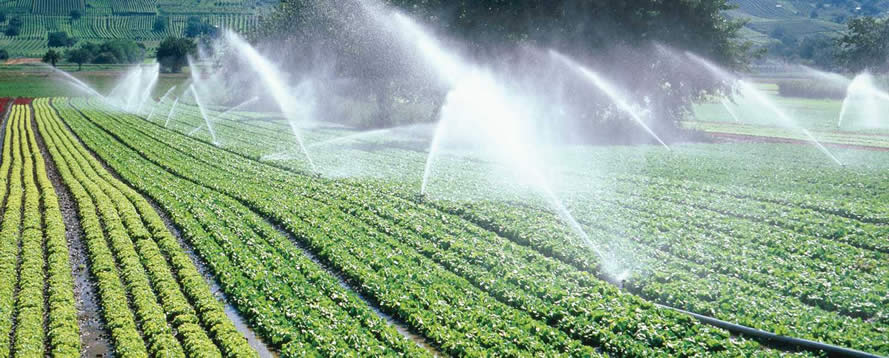
THE Government announcement that most parts of the country will this season experience drought characterised by low rainfall made sad reading and should have sent shivers down the spines of many, especially in drought prone areas such as provinces situated in the western parts of the country.
While people in drought prone provinces will be grappling with the dire food situation, their livestock will also be wallowing in hunger because of lack of pastures and such a situation calls for long term strategies to deal with recurring droughts.
Speaking at a Press conference on Wednesday in Harare where she released the localised rainfall forecast for the 2015/16 season, the Minister of Environment, Water and Climate, Oppah Muchinguri-Kashiri, said the country had to brace itself for a drought in the approaching season.
According to the forecast released by Minister Muchinguri-Kashiri for the period January to March 2016, Matabeleland South, Matabeleland North, Bulawayo, Masvingo and the southern parts of the Midlands and Manicaland are likely to receive below normal rainfall. For the period October to December, the same areas would have experienced normal to below normal rainfall.
As for northern parts of the country (Mashonaland province, Manicaland, Harare, the northern areas of Masvingo and Midlands) they will fare better with normal to above normal rainfall. Minister Muchinguri-Kashiri said the 2015/16 rainfall outlook had several implications to vulnerable sectors such as agriculture, food security, health, energy and disaster reduction.
We agree with her especially on agriculture and food security as the horrific effects of the drought have their scars still fresh in the minds of many people. We also note that the Government has been indefatigable in dealing with the effects of drought over the years when it comes to feeding its people, and has already started to distribute drought relief in all the country’s 10 provinces.
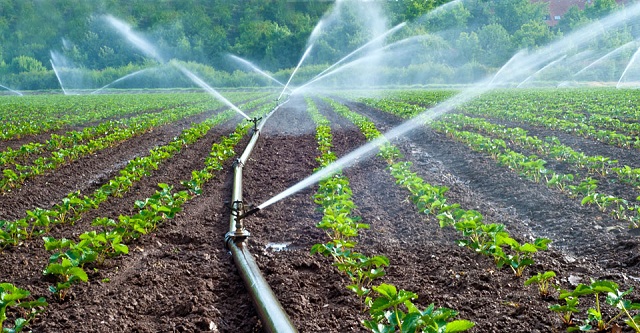
Despite such commendable efforts we still feel the panacea to the scourge of recurring droughts is massive investment in irrigation projects. We believe the Government should move with speed and set up new irrigation schemes at the same time rehabilitating ageing ones. By so doing the Government will be weaning off people who are always waiting for handouts from it in the form of drought relief.
We should not forget that food handouts also have serious political implications on our people as non-governmental organisations take advantage of the desperate situation villagers would be in to feed them political poison in the form of advancing opposition political agendas.
Irrigation farming, besides improving food security, also empowers our rural people to improve their economic lives as they can sell surplus produce and get money to assist them in other needs such as paying school fees for their children. Irrigation schemes also improve the nutritional levels of communities as families grow side crops such as vegetables for their relish.
We should not forget that irrigation schemes were established as a precaution against the inherent variability of rainfall as well as to ensure that cultivation is done all year round to boost and increase food production in the country so as to alleviate poverty. Another advantage of irrigation farming is that it is another way of improving agricultural production both in subsistence and commercial farming.
Another important message that should be sent loud and clear to our rural population is that villagers should not shy away from de-stocking their livestock so that from the proceeds of selling a few beasts, they can use the money to buy stockfeed for the rest. The days of marvelling at one’s stock is outdated and archaic as it is of no benefit to the farmer. Farming even in rural areas is now a business and it should be treated as such.


 derick.khumalo