Online Reporter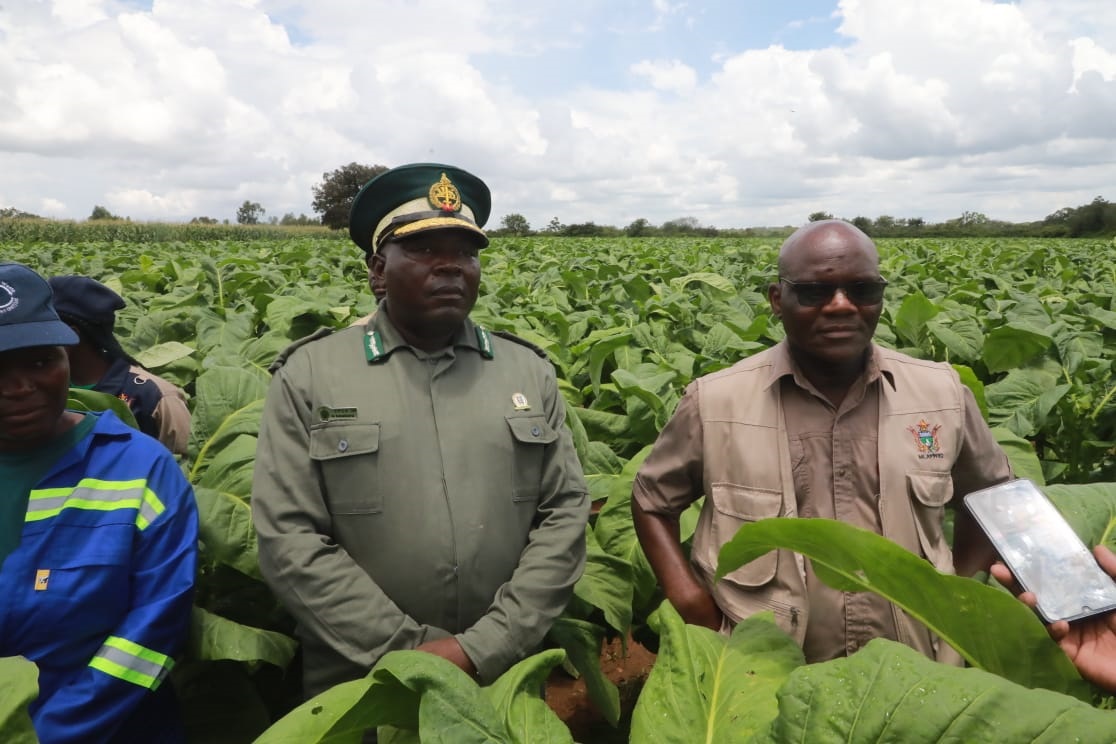
THE tobacco project taking shape at Khami Prison Farm on the outskirts of Bulawayo offers Zimbabwe a compelling example of how correctional facilities can become centres of productivity, rehabilitation and economic contribution.
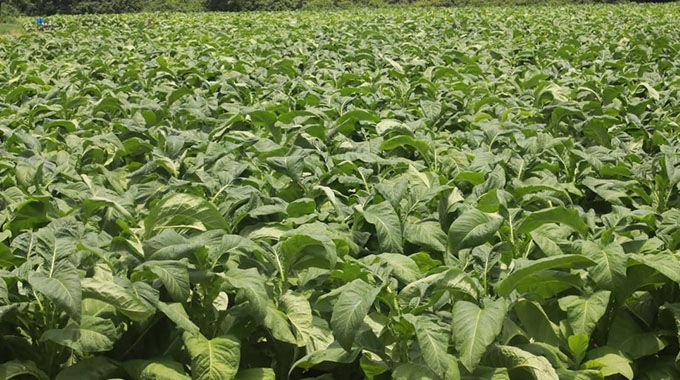
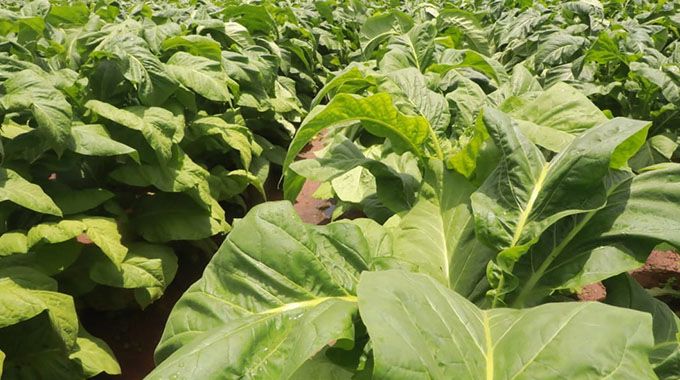
The institution has successfully cultivated a thriving five-hectare tobacco crop projected to yield an impressive 3 000 kilogrammes per hectare — far above what many farmers manage in difficult seasons.
This milestone is more than an agricultural achievement; it represents a shift towards a modern, skill driven and economically conscious corrections model.
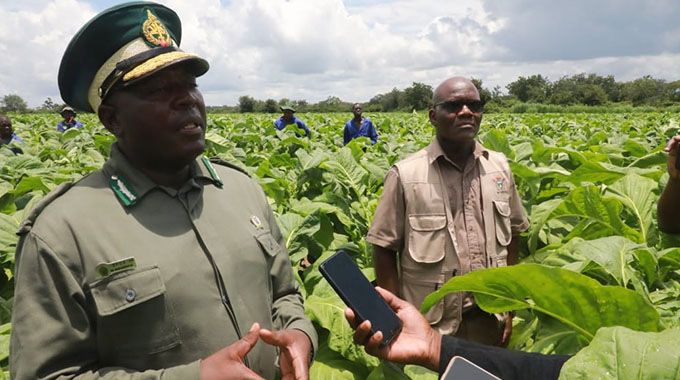
What sets Khami apart is its deliberate and disciplined approach. The Zimbabwe Prisons and Correctional Service (ZPCS) leadership has publicly praised the Bulawayo Metropolitan Province team for their teamwork, commitment and ability to maintain high standards across the farm’s operations.
Commissioner General Dr Cyril Chihobvu expressed clear satisfaction during his recent tour of the facility, acknowledging that the success of the tobacco pilot reflects collective effort and strong institutional co-ordination.
The project complements Khami’s long standing track record of agricultural productivity, which has historically included maize and livestock farming undertaken with equally high standards.
A critical component of Khami’s success is its emphasis on skills development. Inmates working the fields are receiving hands on training from Atlas Agri under the guidance of tobacco specialist Mr Rodrick Musiiwa, who described the crop as among the best he has seen in the region.
This training equips inmates with practical, marketable skills that they can use after completing their sentences. By learning the disciplines of commercial farming — including crop management, curing, grading and meeting quality standards — participants gain a pathway to lawful income generation.
This approach supports both rehabilitation and reintegration, positioning inmates as future contributors to the economy rather than passive dependants.
It is important to stress that the lesson here is not that every prison must grow tobacco. Instead, the real takeaway is that every prison must cultivate productivity, capability and economic relevance.
Khami has shown that with proper planning, technical expertise and leadership, correctional institutions can operate as skilled agricultural hubs capable of feeding inmates, reducing Government expenditure and generating revenue through market surplus.
In fact, Khami’s wider farming model — including livestock, vegetables and staple crops — already supplies food to several prisons in the province while selling excess produce to local markets. This is a model ripe for replication nationwide.
Other prisons should be encouraged to emulate Khami’s approach, each according to its ecological and infrastructural conditions. Some institutions may excel in horticulture through irrigation; others may be better suited for livestock, poultry or greenhouse production.
What matters is the adoption of a structured, skills based framework where inmates learn, produce and contribute meaningfully. The Commissioner General has even urged institutions to consider investing in modern infrastructure, such as greenhouses, to strengthen their programmes and achieve year round productivity.
Globally, prison agricultural programmes are recognised as engines of social and economic value. They enhance institutional self sufficiency, reduce public expenditure on inmate upkeep, build skills that lower reoffending rates and stimulate local economies through procurement, production and market linkages.
Zimbabwe’s correctional farms already fit this global pattern: by developing inmates’ competencies while generating income and food security, they serve both rehabilitation and national development objectives.
Khami’s practice of ensuring that inmates involved in the project are paid — with earnings supporting their families — further demonstrates how correctional labour can reinforce social responsibility and dignity.