Online Reporter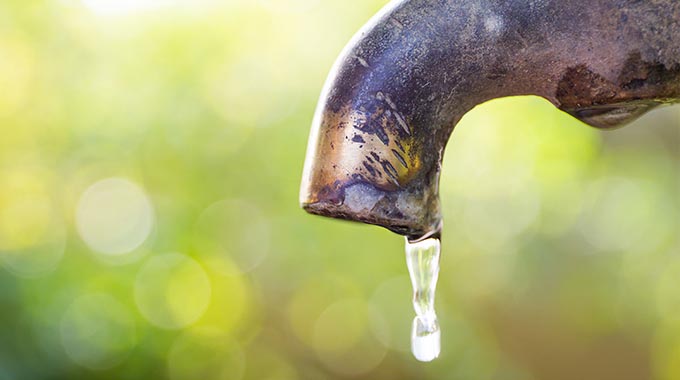
RAINS have been pouring across the country lately, which probably signals the end of the rainy season.
Crops which were suffering moisture stress following the mid-season dry spell are in better shape, although some acreages withered in that heat. We aren’t in a position to determine at this stage whether the country will have a bumper harvest, but we believe people will not go hungry.
The condition of livestock looks great, as pastures are now verdant.
The Zimbabwe National Water Authority said in its latest report on March 4 that most major dams across the country are 100 percent full — Tugwi-Mukosi, Sebakwe, Zhovhe, Siya, Arcadia, Bubi Lupane, Masembura, Silalabuhwa, Harava, Seke, and Mtshabezi.
Manjirenji sits at 92,8 percent, while Osborne is at 86,5 percent. Manyame is at 82,4 percent, and Chivero stands at 79,1 percent.
The data indicates that the lowest inflows have been recorded in the dams supplying Bulawayo, with Mtshabezi the exception at 100 percent.
Insiza Dam is 62,3 percent full, Upper Ncema (43,2 percent), Umzingwane 35,2 percent, Lower Ncema (32,8 percent) and Inyankuni (19,8 percent).
This must concern Bulawayo’s 665 950 residents, who are on a 96-hour water-shedding programme.
We are in March, which means that this year’s wet season is ending. This threatens yet another year of the same — dry taps, shrivelled lawns, long hours at community boreholes and long walks back home with buckets of water on the heads or pushing wheelbarrows.
It is stressful for Bulawayo residents that they see rain falling and hear that dams elsewhere are full, and their counterparts in other urban areas don’t know what water shedding, nay, water rationing, is, yet they lack water.
Extensive gold panning in the catchments of the city’s water supply dams is to blame. The gold hunters are ruthless; all they want is the yellow metal and the big cash it pays. The environment doesn’t matter. They carve out pits at schools and people’s homes, under roads and railway lines across the country, so they have no second thoughts about digging up riverbeds.
But that leaves huge pits which disrupt the normal river flow. Instead of flowing straight into Insiza, Upper Ncema, Umzingwane, Lower Ncema and Inyankuni dams, the water collects in the pits. Only small amounts reach the reservoirs, and Bulawayo continues to suffer.
It is really, really difficult for authorities to effectively police the dams’ catchments to the extent of eliminating riverbed mining. Thus, Bulawayo residents must get comfortable with the sad reality that gold panners will always be there, working upstream, disrupting river flows and prolonging their crisis.
Only Lake Gwayi-Shangani will address it. The Government is building the dam, which we commend. We look forward to the timely completion of that project and the beginning and completion of more work on the water conveyance network from there to the city.
Only then will torrential rainfall such as we have been experiencing over the past few weeks mean a round-the-clock water supply for Bulawayo.