

 Online Reporter
A regional tragedy demands a regional response
The grief is palpable and shared. From Harare to Pretoria to Lilongwe, nations are mourning. The horrific bus crash near Makhado, South Africa, which claimed 43 lives, is more than a statistic; it is a searing reminder of the human cost of our interconnected region.
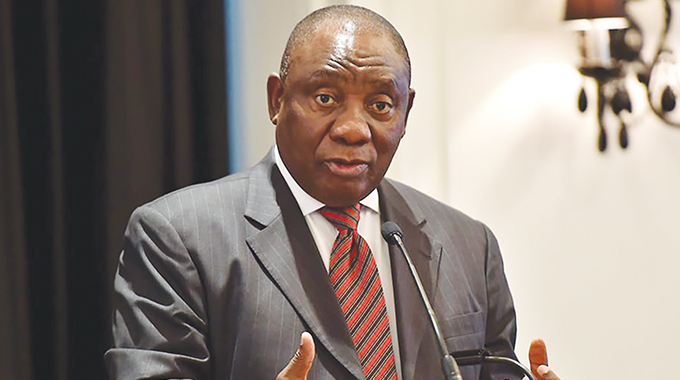
As the dust settles on the N1 highway, the statements from President Mnangagwa and his South African counterpart, Cyril Ramaphosa, strike the right tone of condolence and solidarity.
But behind the diplomatic language lies an uncomfortable truth that we, as a region, can no longer afford to ignore. This was not a freak accident. It was a predictable tragedy, and without decisive action, it will not be the last.
The initial reports are a checklist of familiar, fatal flaws: a bus believed to be overloaded, a passenger manifest in disarray, and a driver who lost control. This scene is tragically commonplace on the arteries that connect Southern Africa. The Beitbridge corridor, a vital economic lifeline, has become a notorious gauntlet of risk for thousands of citizens seeking opportunity, trade and family connection.
In his response, President Mnangagwa made a crucial and overdue point. He called for the “harmonisation of road traffic regulations enforcement within the SADC region.” This is not bureaucratic jargon; it is a matter of life and death. At present, a patchwork of national laws and uneven enforcement creates deadly loopholes. A vehicle deemed unroadworthy in one country can slip across a border into another. A driver operating illegally in one jurisdiction can continue his journey unchecked in the next.
This tragedy exposes the gap between our aspirations for a borderless community and the reality of our fragmented safety standards. We have worked to facilitate the movement of people and goods, but we have failed to ensure that this movement is safe. The economic networks President Ramaphosa rightly praised are only as strong as the trust passengers have in their safety.
Therefore, the mourning must be matched with immediate and concrete action. The call for a harmonised regional strategy must be accelerated from a talking point into a binding protocol. SADC nations must collaborate on standardised vehicle checks, unified driver fitness standards, digital passenger manifests, and joint enforcement operations.
The South African Transport Ministry’s commitment to reviewing its National Road Safety Strategy is a step in the right direction, but this problem transcends any single border. The Limpopo River may divide our nations, but the grief of a mother who has lost a child and the peril faced by a commuter on a rickety bus are universal.
The 43 souls lost on the road to Beitbridge are a stark sacrifice on the altar of regional integration.
We owe it to them, and to the thousands who will travel these roads tomorrow, to build a system that protects life as vigorously as it promotes trade.




The bigger issue is desperation.Our people were not on holiday ,they were trying to eke a living.We need to fix our country and stop servicing Only top officials. I can tell you among the vitcims were people seeking medical attention in South Africa.Its shouldnt be :George Silundika and other who passed on in the 1980s used local hospitals which we have allowed to “die” in favour of SUVs for MaShefu. Let us love one another as Zimbabweans and ensure Zimbos benefit from our resources not only the potybellied ones
There are dozens of buses that ply these routes from as far north as Tanzania and DR Congo. To avoid accidents, operators must adhere to rules and regulations that are all the same in different countries in the region. Commuters should ensure they demand their rights to safety by insisting that the buses don’t overload. Drivers and the vehicles must all be roadworthy. Police and other road safety authorities must diligently carry out their duties. If all those things are done, accidents will be avoided and lives saved. Movement of people for whatever reason is a human phenomenon world over. It has nothing to do with all this nonsense you say here. This is trash politics and will not stop accidents from occurring. Countries with well established economies and efficient social systems still have their citizens going all over the world for one reason or the other. Chinese are flooding the world yet China has arguably the second largest economy in the world with the most modern infrastructure and social security systems. It’s the most technologically advanced environment in the world today. It is then very naive to think that a poor economy causes accidents elsewhere. Humans, by their nature will always move and will always look for what they think improve their welfare.What you said here doesn’t stop accidents from happening anywhere.