Chronicle Editor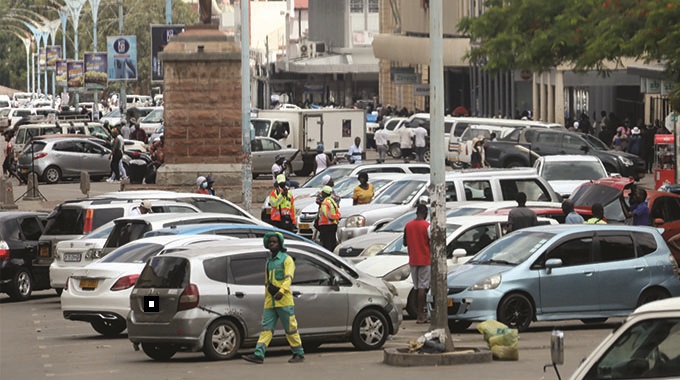
PIRATE taxis have become a big feature on local roads.
A legend of our time, the Honda Fit is the most ubiquitous. Its drivers love it for its fuel economy, hardiness, surprising roominess and ability to sneak into the tightest of spaces.
There are some Toyotas as well especially the Sienta, Raum and Ipsum. It appears a new fleet is coming up to succeed them — Nissan AD Van and Toyota Probox.
Before the Honda Fit and other newer models, we had the Peugeot 404s and later Peugeot 504s.
The pirates, mushikashika as we now know them, have emerged to fill a gap that was created by a poor urban public transport system. They take their passengers to their doorsteps, their service is personalised, they take you to your destination very fast and fares can be negotiated. The drivers don’t seem to knock off. Generally, too, the crews are more courteous than the notoriously foul-mouthed kombi drivers and their owindi.

Furthermore, mushikashika are a substantial source of employment.
At some points in Bulawayo, they are so organised that they have a logging system ensuring that one of them loads at a time.
Some observers have likened the pirates to shebeens; illegal yes, but very flexible, homey and personalised.
However, the mushikashika are illegal transporters. They take away business from registered taxis and kombis. Criminals use them as gate-away vehicles and you have no way of tracing them.
The Parliamentary Portfolio Committee on Transport and Infrastructural Development has suggested that the Government comes up with a scheme under which the illegal taxi owners can swap their unregistered cars for safer Toyota Quantums or similar models.
This is meant to reduce traffic congestion, improve commuter safety and promote order.

The proposal, as we reported yesterday, split opinion but we have no doubt that most operators are opposed to it.
They know that by joining the proposed scheme, they automatically become registered operators which is generally quite expensive. To operate one kombi, one needs $1 600 yearly to obtain permits from the Ministry of Transport, the local authority and so on. They also need up to $3 800 for a vehicle fitness certificate.
These are substantial sums of money that must be paid beforehand; thus, we see most mushikashika operators refusing to enrol under the initiative as proposed by the parliamentary committee.
Be that as it may, we are of the opinion that this is a great idea. We cannot tolerate an illegality, chaos simply because they have been going on for decades.
It is our hope that the ministry will consider the committee’s proposal, make adjustments where there is a need and implement it.



 Online Reporter