Chronicle Editor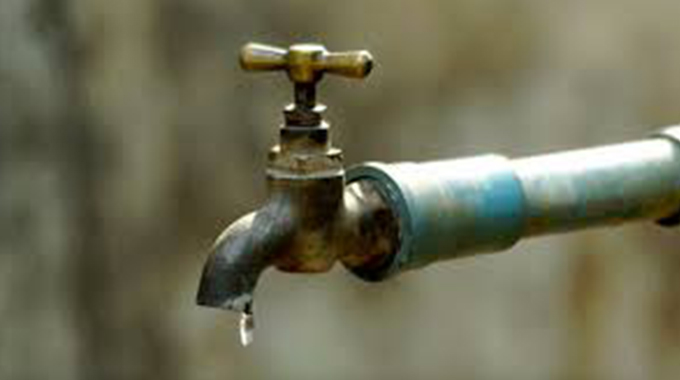
BULAWAYO’S perennial water woes have become a thorn in the flesh of residents and businesses in the city.
The city has been grappling with chronic water shortages for decades, leading to a tight water-shedding schedule or complete shut off of the water supply.
Residents can go up to a week or more without running water, and this brings with it a host of problems that affect both residents and businesses.
Water is a fundamental human need, but in Bulawayo, the water shortages have become a norm, exposing residents to the risk of water-borne diseases such as cholera and typhoid.
Businesses have also been negatively affected by the water situation and are often forced to halt production resulting in revenue loss and, in some cases, permanent closure.
Without guaranteed water supply, there can be no revival of heavy industry, once the backbone of Bulawayo’s economy.
The past few years have seen the introduction of a water-shedding and rationing system but this has not been effective in solving the problem.
Surely the city cannot attract meaningful investment without a guaranteed water supply.
On Tuesday and yesterday, a joint Parliamentary Portfolio Committee on Local Government, Public Works and National Housing, and the committee on Sustainable Development Goals met Bulawayo City Council management and councillors.
They also embarked on a tour of Bulawayo’s water supply systems, including the city’s dams, boreholes at the Nyamandlovu Aquifer and Lake Gwayi-Shangani.
We hope that this tour, while commendable, was not just a sightseeing excursion, but a genuine fact-finding mission to investigate the dire situation facing Bulawayo residents and businesses as the city’s water supply dwindles rapidly.
Bulawayo’s water crisis is not a new phenomenon, as the city has been grappling with this problem for decades, but now it has reached a critical point.
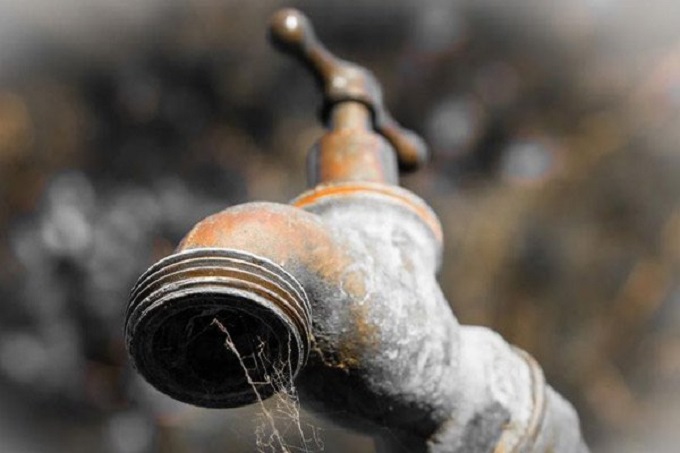
We hope the joint committee has observed first-hand that Bulawayo is on the brink of a total collapse regarding its water supply. The city’s dams are drying up, and boreholes at the Nyamandlovu Aquifer are being vandalised.
We, therefore, hope that the joint committee will report the true picture of the dire situation Bulawayo residents face due to the water crisis. The urgency needed to address this crisis is paramount, and quick and decisive action to find lasting solutions is needed.
The city council, businesses and Central Government must come together and find a lasting solution to this water crisis. The plan should include a long-term strategy to ensure there is a sustainable water supply in Bulawayo. Only then can the city reach its full potential and thrive as a vibrant commercial hub.



 Online Reporter