admin
admin
One of the key aspects of sporting excellence is fair play. Fair play in sports refers to the concept of playing within the rules, maintaining respect for both the game and the participants, and showing sportsmanship, integrity, and fairness.
It emphasises the following key principles. Respect for rules, which emphasises abiding by the established rules of the sport without trying to exploit loopholes or cheat. Respect for opponents; which is treating opponents with respect, regardless of their skill level, and recognising that they are necessary for competition. It also entails respect for officials and acknowledging the authority of referees, umpires, and other officials, even when their decisions may be unfavourable.
Fair play also speaks to integrity, which is acting honestly and not using deception or unsporting tactics to gain an advantage. It involves equality and fairness, which is competing on a level playing field, without discrimination, and ensuring that the game is fair for all participants.
Team spirit is also key. It is valuing teamwork and co-operation, especially in team sports, and focusing on collective success rather than individual glory.
There should also be respect for safety through avoiding actions that could harm others physically or mentally, maintaining the safety of all participants.
Fair play fosters a positive sporting environment and ensures that sport is played in the true spirit of competition. It’s essential for the enjoyment and integrity of the game, promoting healthy and respectful competition.
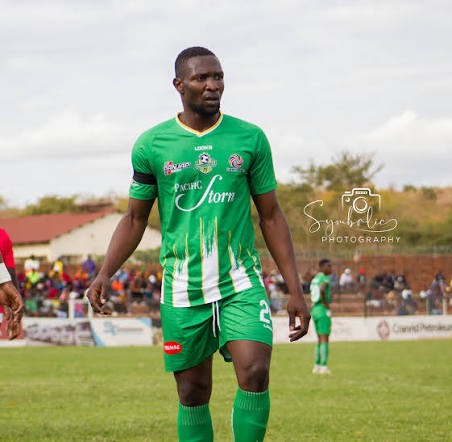
It is therefore important that match officials try by all means to ensure fair play. It must not be demanded from athletes alone, but officials too. Recent events in the Premier Soccer League and other competitive football leagues in the country have indicated that fair play is no longer enforced, with match officials accused of deciding match outcomes, and some players and club officials manhandling referees. All this madness must stop for the betterment of the sport.



 derick.khumalo