admin
admin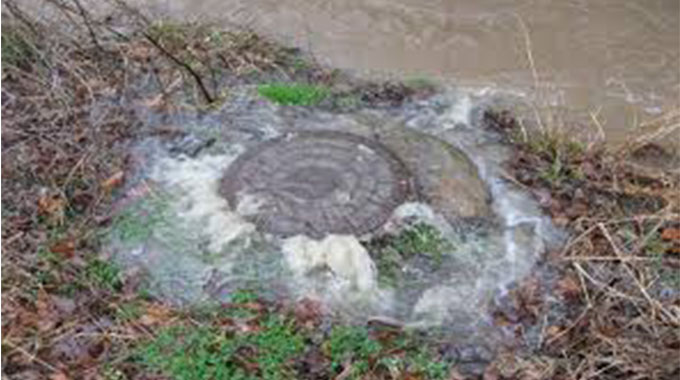
Gibson Mhaka
EVERY day, when Bulawayo residents encounter a burst sewer pipe, they blame it on the local authority for not doing its job. However, a shocking revelation about what causes local sewer pipe bursts will leave you startled.
The environmental management and engineering services department has revealed what clogs the city’s sewer system.
They said that the majority of items being fished out after attending to continued bursts of sewer pipes include plastics, sand, and used sanitary products such as pads and tampons.
These items, among others like used condoms and diapers, have been of late accused of being responsible for the extensive blockages, which cost millions of dollars to rectify.
Residents are being encouraged to “bin it, not block it” in a bid to save millions of dollars. By properly disposing these items, residents can help to prevent sewer blockages and reduce the costs associated with repairing them.
While acknowledging with appreciation the work being done by private contractors in sewer hotspots during a recent council meeting, Bulawayo Ward 2 Councillor Adrian Redani Moyo revealed that a lot of improper materials causing sewer blockages had been removed by these private contractors. Some of the materials removed included sand and used sanitary wear.
“Council K Ndlovu (Khalazani Ndlovu, Ward 10) applauded the Committee and the department for managing the old sewer reticulation infrastructure. The system was now prone to a lot of burst and overflow challenges. She was of the view that once sewer teams arrived in an area, they should also attend to unreported sewer bursts. Patrols should also be done.
“Councillor A R Moyo acknowledged with appreciation the work being done by Private Contractors in sewer hotspots. A lot of improper materials causing sewer blockages had been removed by these private contractors. Some of the materials removed included sand and used sanitary wear,” partly reads the minutes.
Councillor Moyo called on the local authority to educate residents to use sewer-friendly materials. He complained about council sewer teams that responded to bursts and blockages but only left without rectifying the challenge.
“Council should effectively supervise its staff,” he said.
Ward 7 Clr Thandiwe Moyo concurred, saying residents needed to be engaged with regard to sewer challenges.
“Sizinda and Tshabalala Extension had problematic sewer challenges that needed to be addressed. Councillor Suzan Sithole’s Ward II sewer hotspots had not been attended to. The Private Contractor’s contract should be extended so that all sewer hotspots could be addressed.”
Ward 16 Clr Greater Gumede also highlighted that the situation next to Mafakela Primary School in Luveve was not good.
“A sewer pipeline was running adjacent to the clean water supply mainline. The sewer pipe was always blocked and overflowing,” she said.
Clr Gumede feared that this could lead to contamination, resulting in a disease outbreak.
Meanwhile, the Bulawayo City Council (BCC) blames the incessant pipe bursts in the city on ageing water and sewage reticulation infrastructure.
The city’s infrastructure is old and in need of repair and replacement. This is leading to frequent pipe bursts, which are causing disruptions to water supply and creating health hazards.
Bulawayo Mayor Senator David Coltart is also on record saying there were no funds to provide long-term solutions to the city’s dilapidated sewage system.
The mayor recently indicated that their efforts to fix the sewage system were being hindered by a lack of funds, adding that the system, which was 40 years old, required an overhaul.



 derick.khumalo