

 Online Reporter
Water levels at Lake Kariba have risen from below seven percent earlier this year to 16 percent, enabling both Zambia and Zimbabwe to increase power generation. Zimbabwe expects to increase its power generation to around 500 MW a day following increased water allocation by the Zambezi River Authority (ZRA).
Zimbabwe and Zambia’s power utilities are allocated the same amount of water for electricity generation annually. Zimbabwe now has the potential to generate about 1 700MW a day, which is a significant boost that will guarantee wheat farmers uninterrupted power supply.
Hwange Power Station alone can generate up to 1 300 MW a day following the commissioning of units 7 and 8, which have a combined output of 600MW.
Government has set ambitious targets under the winter cereals programme, as it intends to produce 600 000 tonnes of wheat, 39 000 tonnes of barley and 236 000 tonnes of potatoes.
Energy and Power Development Minister July Moyo, urged farmers to have prepaid electricity meters so that they are guaranteed uninterrupted power supply during the winter cropping season.
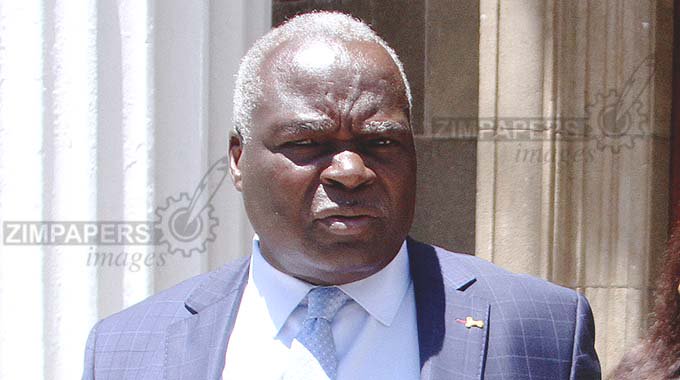
Minister Moyo said with tight management of power supply, farmers can be guaranteed uninterrupted electricity supply as Government is committed to meeting its winter cereals targets.
A number of private companies have been granted licences to produce solar energy and feed the surplus into the national grid.
It is encouraging to note that some of these companies are already complementing Government efforts to boost power generation, to meet national demand.
The solar plants that are already operational include Caledonia Mining Corporation’s 12,2MW in Gwanda in Matabeleland South Province, Centragrid in Nyabira in Mashonaland West Province and Solgas Energy at Cross Mabale in Matabeleland North Province.
Generation of solar energy is in line with the Government’s quest to produce clean energy, as it strives to meet the global climate-change adaptation and mitigation commitments.
Zimbabwe, like the rest of the Sadc region, is experiencing subdued energy generation hence the need to turn to solar. Most African countries including Zimbabwe, have abundant sunshine throughout the year and should therefore take advantage of this God-given resource to invest in renewable energy.
We want at this juncture to say thumbs up to Independent Power Producers (IPPs) that are already feeding electricity into the national grid and urge more companies to invest in solar energy.
Zimbabwe should not just aim at producing enough to meet national demand, but should produce even surplus electricity for export.


 Bongani Ndlovu