Online Reporter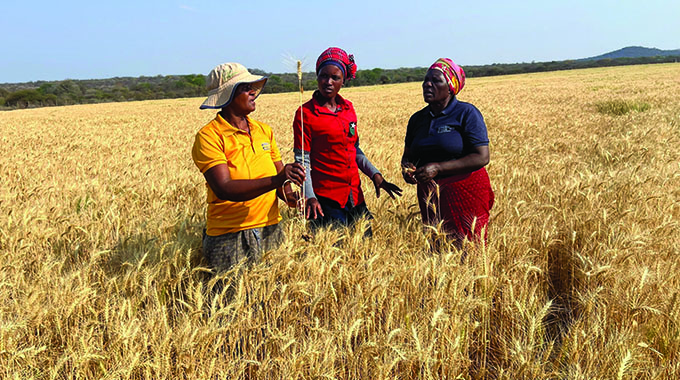
THE Government on Friday announced the wheat marketing price for this year about a week after farmers had started harvesting the strategic crop.
At the same time, authorities also announced the pre-planting prices for maize, traditional grains as well as oil seeds. Farmers are buying onit direct products for use in their cropping.
The Grain Marketing Board (GMB) will pay farmers $461,35 per tonne of premium grade wheat and $451,35 for standard grade. The pre-planting price for maize will be $380 per tonne, the same for traditional grains such as millets and sorghum. Soyabean and sunflower producers would be paid $580 and $668 per tonne respectively.
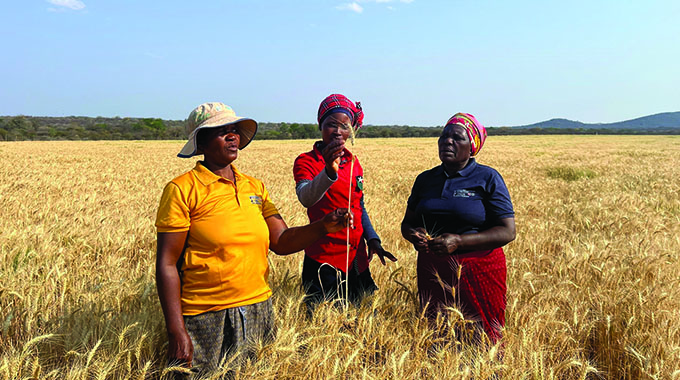
“The newly established prices reflect the Government’s commitment to enhancing agricultural productivity and ensuring fair compensation for farmers,” said GMB chief executive officer Dr Edson Badarai.
He is correct. The prices that authorities will pay farmers for their sweat are very, very attractive. We think farmers agree with us. The prices are some of the highest returns a farmer gets for their work in southern Africa. Yes, operating conditions differ by jurisdiction, but generally the payments that local producers get for their harvests generally lead the region where the marketing prices for maize, for example, average $230 per tonne. Wheat pays around $220 per tonne, on average in key markets in the region.
With projections that the country will attain yet another record wheat harvest this year — up to 600 000 tonnes from 563 961 tonnes last year — the new prices must see our hardworking farmers raking in the cash. We urge them to do their harvesting as professionally as they always do and do so quickly before the onset of the summer rains over the next two months or so.
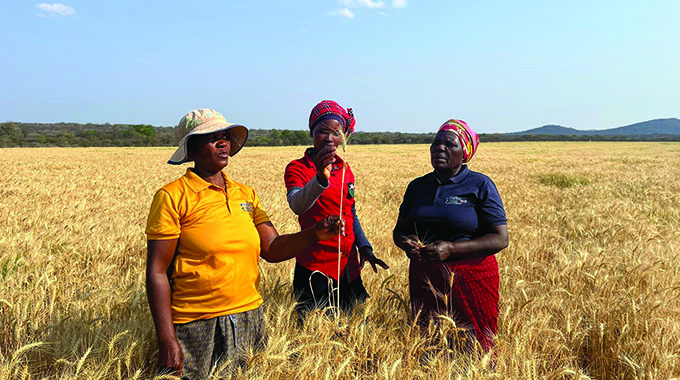
In terms of maize and traditional grains, the price that authorities have set for the 2025-26 season is higher than the $376,48 producers are getting for their deliveries this year. The prices that growers will get for their soyabean and sunflower deliveries next year are the same as what they are getting this year.
Overall, the prices enable farmers to finance their production and realise decent profits for themselves and their families. They encourage our farmers to continue working the land because it pays to do so.
This boosts national food security, creates wealth and develops the country.