Online Reporter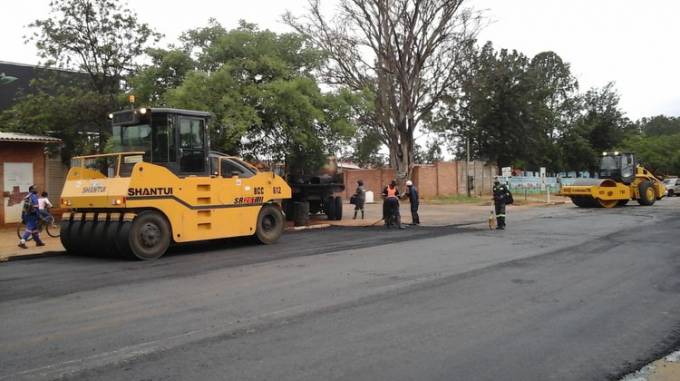
THE announcement from contractors working on the Bulawayo-Victoria Falls highway offers a beacon of hope for Zimbabwe’s long-troubled infrastructure challenges.
With assurances that they are on track for a 2026 completion, the commitment to a world-class road linking the tourism capital of Victoria Falls to the rest of the nation represents not just a physical transformation but also a profound shift in national pride and future prospects.
During a recent media tour led by Eng Joy Makumbe, Permanent Secretary in the Ministry of Transport and Infrastructural Development, stakeholders were given a comprehensive view of the ambitious project.

This 440-kilometre artery, segmented into eight sections and wholly managed by local contractors, underscores the Government’s dedication to bolstering domestic industries while simultaneously addressing critical infrastructure needs.
The prominence of local contractors — companies like Fossil Construction, Masimba Construction, and Syvern Engineering — highlights a significant shift toward utilising Zimbabwean talent and resources.
Eng Makumbe’s assertion that the project is “100 percent Zimbabwean” not only signifies economic empowerment but also serves as a resounding vote of confidence in the capabilities of local firms. It reflects a heartening trend of self-reliance in a nation that has often relied heavily on foreign expertise.
The conditions of the highway prior to this initiative were deplorable, symbolising a more extensive narrative of neglect in infrastructure development. The commitment from the Second Republic and all stakeholders to address these long-standing issues was evident throughout the tour.
Specific focus was placed on immediate safety, a strategy articulated by Eng Fungai Matawu of Masimba Construction, who prioritised repairing potholes to ensure safer travel. Such proactive measures resonate with the broader need for an integrated approach to infrastructure development — one that considers both current safety and long-term sustainability.
As the contractors outlined their methodologies, the underlying message remained clear: construction is not merely about laying asphalt; it’s about fostering a culture of responsibility and care for the roads we travel.
The phased plans laid out by the contractors signal a meticulous, structured approach that aligns with Eng Makumbe’s emphasis on the complexities of quality road construction. This idea that good work takes time is a crucial point often overlooked in our instantly gratified society, but one that Eng Makumbe passionately drove home. She urged the public to exercise patience, reminding them that building a world-class road is a long-term endeavour that should not be rushed.
Local Government officials like Richard Moyo — the Minister of State for Provincial Affairs and Devolution in Matabeleland North — also bring to light the importance of accountability and ongoing maintenance.
His call for contractors to pay attention to pothole patching underscores a reality too often ignored: delivering infrastructure is not merely a one-time event but an ongoing responsibility. Adequate maintenance is essential to ensure the longevity of these investments.
While the promise of progress fills many with optimism, it is essential to acknowledge the challenges that lie ahead. Weather conditions, resource availability, and logistical hurdles threaten to derail timelines or compromise quality.
As highlighted during the tour, these are not trivial problems; they are variables that require adaptive strategies and robust management. However, the commitment exhibited by contractors and Government officials alike offers a solid foundation for overcoming these challenges.
Looking forward, the Bulawayo-Victoria Falls road project symbolises more than merely connecting two locations; it embodies a vision for a renewed Zimbabwe, poised for development and growth. By restoring this critical artery, the project stands to facilitate economic activity, enhance tourism potential, and ultimately enrich local communities. Improved connectivity can unleash trade routes, bolster tourism revenues, and create employment opportunities — all essential for ameliorating the economic struggles faced by many in Zimbabwe today.
The hard work underway has the potential to make a significant impact beyond just transport.
Communities will benefit from access to services, improved emergency response times, and better overall quality of life thanks to enhanced infrastructure. As contractors complete sections and open them to traffic, the direct impact on individuals and businesses will be palpable.
The road ahead — both literally and metaphorically — is filled with promise. The collaborative effort among local contractors, Government officials, and the public showcases what can be achieved through dedication, planning, and a collective vision.
The focus must now shift toward maintaining momentum, ensuring that the project remains on schedule without compromising quality. As we collectively invest in our infrastructure, let us do so with the understanding that each kilometre paved is a step towards a prosperous, interconnected future for all Zimbabweans.
The transformation of the Bulawayo-Victoria Falls highway is not simply about asphalt and concrete; it is about building a resilient Zimbabwe.