Nqobile Bhebhe, Zimpapers Business Hub
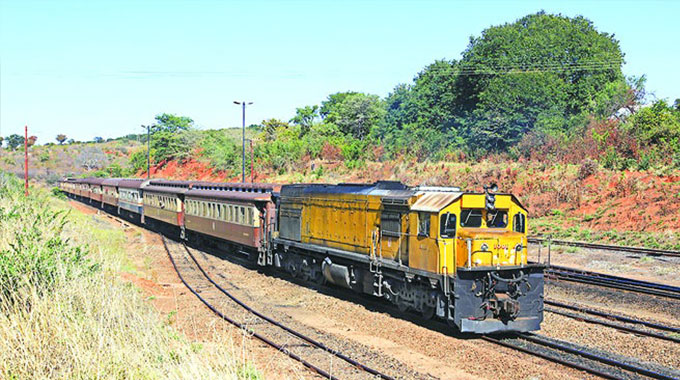
THE Government has outlined a comprehensive programme under the National Development Strategy 2 (NDS2) to transform the National Railways of Zimbabwe (NRZ) to the tune of US$2 billion turning it into a modern, efficient and reliable rail system, in a clear demonstration of its strong confidence in the strategic importance and revival potential of the national railway operator.
The sweeping rail upgrade aims to support national industrialisation, reduce transport costs, improve competitiveness and protect the country’s major highways from heavy cargo damage.
NRZ freight capacity has in recent years fallen to below three million tonnes per year, down from over 12,4 million tonnes in 1998 and well below the installed capacity of 18 million tonnes.
The decline shifted bulk cargo to road, inflicting severe damage on major routes, particularly the Bulawayo-Hwange highway, where coal and mineral haulage has pushed sections of the road close to total failure.
With about US$2,3 billion earmarked for rail rehabilitation, expansion, rolling stock, electrification and signalling, the Government is positioning the NRZ to reclaim its status as the backbone of national logistics and a key enabler of regional integration.
A revived rail sector will reduce transport costs, boost industrial output, protect the fiscus from ballooning road repair bills, and strengthen Zimbabwe’s competitiveness across the SADC region. The Government says NDS2 provides deliberate, well-funded and tightly coordinated interventions to rebuild the entire rail ecosystem.
“During NDS2, the Government will implement deliberate interventions to revitalise Zimbabwe’s railway infrastructure to ensure efficient movement of goods and passengers, supported by strict enforcement of regulations governing the transportation of heavy materials by road.”
A functional rail system is essential for lowering national logistics costs, improving mining viability and restoring Zimbabwe’s role as a strategic regional transit hub.
“The focus will be on the rehabilitation, expansion and maintenance of the national railway network to facilitate the movement of bulk cargo, particularly from the mining sector, thereby preserving road infrastructure.”
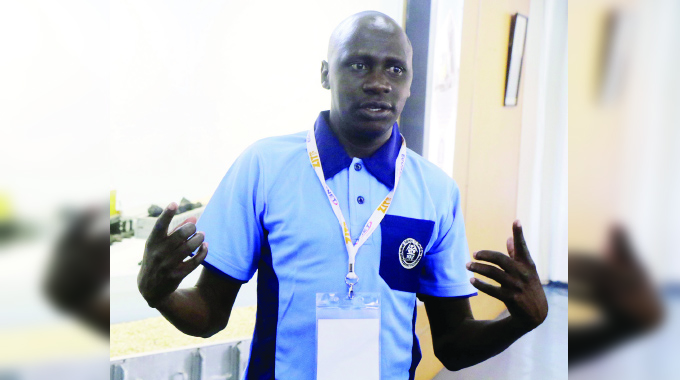
NRZ public relations and stakeholder manager, Mr Andrew Kunambura told Zimpapers Business Hub that the detailed plans outlined under NDS2 demonstrate the Government’s strong confidence in NRZ’s capacity to reclaim its dominance in bulk freight transportation.
“The NDS2 outline is a mandate for structural renewal. The scale and strategic nature of the planned investment in track and equipment directly reflect the Government’s high confidence in the NRZ’s ability to be fully resuscitated and to assume its historic, dominant role as the most reliable and cost-effective mover of bulk goods for the national economy.
“The Government recognises that a functional and efficient rail network is a key enabler for achieving the NDS2’s broader goal of transforming Zimbabwe into an Upper Middle-Income Society by 2030 (Vision 2030).
“Rail is the most cost-effective mode for bulk freight transportation for minerals (such as chrome, ferrochrome, lithium, and coal), inputs and outputs for agriculture/industry, as well as bulk imports and exports (fertiliser, fuels, grains etc).”
He added, “The investments aim to increase NRZ’s freight capacity significantly (one plan targets an increase from 2,3 million to 12 million tonnes annually) and reduce logistics costs for industries (anticipated reduction of up to 30 percent).
This makes Zimbabwean exports more competitive and supports local industry growth.”
Under NDS2, the Government aims to raise freight throughput from 2,1 million tonnes in 2025 to 12 million tonnes by 2030, and grow annual passenger numbers from 3 500 to 700 000.
Achieving these targets requires massive infrastructure upgrades, new locomotives, new wagons, modern telecommunications, strong private sector partnerships and improved safety and standards frameworks.
Key policy reforms will include a Railway Safety and Standards Framework aligned with SADC, a Rolling Stock Localisation Strategy to promote local manufacturing, Green Rail Policy to advance low-carbon transport and a review of the PPP policy to attract sustainable investment.
The Government has lined up major, fully costed and time-bound projects under the NDS2 programme.
“Upgrading of the Mutare-Harare-Chirundu at a cost of about US$1,2 billion over 2027-2030 through a public private partnership or debt finance,” reads part of the document.
A new 217 km railway line from Lion’s Den to Kafue in Zambia will also be constructed, strengthening SADC north-south interconnectivity and enabling seamless bulk cargo movement into Zambia and the DRC.
Another project is the Mvuma-Manhize-Rusape Railway Line at a cost of US$550 million.
“This line will provide a critical link connecting iron and steel production at Manhize with domestic and export markets, thereby supporting value addition and industrialisation.”
This link is key to ensuring the Manhize steel project becomes a competitive industrial anchor. Rolling Stock Recapitalisation which entails procurement of 30 Mainline Locomotives at a cost of US$210 Million (2026–2029) is also planned.
“This will increase haulage capacity to above 6,7 million tonnes per year.”
These locomotives will form the backbone of freight revival. Procurement of 841 New Wagons and Refurbishment of 1 000 Wagons at a cost of US$120 million is also planned.
This project will ease road congestion, minimise road damage and boost freight throughput.
Another key element is the installation of an entry-level train control and automation system, covering 1 000 km of track at an estimated cost of US$150 million from 2026 to 2029, financed through debt and other funding models.
“This will enhance train control, safety, real-time information access and automation. Complete laying of the 735 km fibre optic network backbone fibre for data and control systems at a cost of US$30 million, to be implemented over 2026-2028 funded through Government or bilateral financing arrangements.
The system will provide an integrated communication platform.
Passenger coach modernisation at an estimated cost of US$25 million is planned,” the document further reads.
NRZ will refurbish 50 coaches, introduce air-conditioning and on-board WiFi and modern Diesel Multiple Units (DMUs).
This will make rail a competitive passenger transport option and reduce road accidents, the document says. Zimbabwe was among Africa’s early adopters of rail electrification when the 305 km Harare-Dabuka corridor was electrified in 1983, dramatically improving rail efficiency and throughput.
“During NDS2, the Government will focus on modernisation of the rail permanent way through rehabilitation and re-electrification of the entire vandalised section, as well as expanding electrification to other viable corridors.”
Mr Kunambura noted the regional benefits of the programme.
“The rehabilitation ensures NRZ can fulfill its role as a pivotal player in Southern African rail transportation, providing a vital transit link between landlocked countries (like Zambia and DRC) and seaports in South Africa and Mozambique. A robust NRZ enhances Zimbabwe’s strategic position in the SADC region’s logistics network.
“Placing NRZ projects at the forefront of its national development plan shows that the Government clearly prioritises rail infrastructure alongside other major projects like road rehabilitation and power generation.”
The Government stresses the centrality of rail to mining.
“NDS2 recognises that an efficient rail system is the lifeblood of the mining sector . . . allowing for the bulk movement of freight at a fraction of the cost of road transportation.”
Coal miners in Hwange will partner the Government to refurbish the key corridor linking coalfields to markets.
“The private sector partnership to drive rail upgrades from the Hwange coal region to markets will enhance logistics efficiencies for the entire mining sector and ease the prevailing burden of bulk cargo on the national highway infrastructure.”
This intervention will relieve pressure on the Bulawayo–Victoria Falls highway, a tourism corridor severely damaged by heavy trucks.
Mr Kunambura said the investments represent a long-term commitment to reversing years of underfunding.
“A dedicated multi-year plan like NDS2 demonstrates a commitment beyond short-term fixes, focusing on a comprehensive, phased recapitalisation project.”
He added, “The focus upgrade and procuring modern, fuel-efficient rolling stock shows an intent to not just repair, but to modernise the NRZ, improving operational efficiency, reducing reliance on diesel, and ensuring the network can handle future demand.
“The commitment is often quantified with specific budget provisions, for instance the US$600 million in the 2026 Budget, complemented by internal strategies to mobilise other resources through loan financing and leveraging Public-Private Partnerships (PPPs), particularly with major customers who co-fund wagon refurbishment in exchange for dedicated usage.
“This blended financing approach underpins the seriousness of the government’s backing.”
He indicated that NRZ is implementing several immediate, short-term measures focused on leveraging existing assets and forming strategic partnerships to stabilise and increase freight volumes, thereby reducing the strain on the road network, while the major NDS2 rehabilitation projects are being financed and rolled out.
“These actions are outlined in the NRZ Strategic Plan (2026–2030) as key strategies for the current period leading up to the full impact of NDS2,” he added.