Chronicle Editor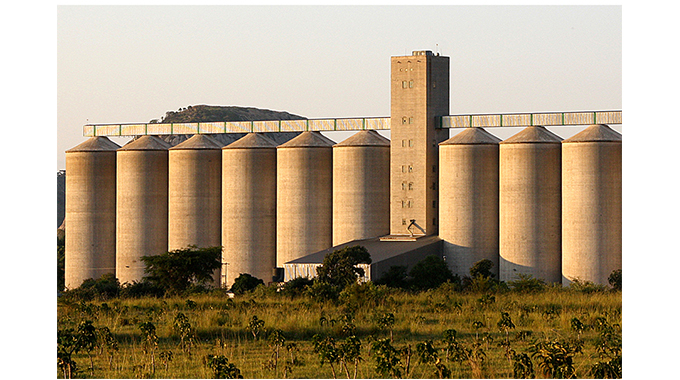
The country is headed for an impressive food harvest this year.
Authorities announced recently that farmers will produce 2 298 281 tonnes of maize, which is a 58 percent increase on the 2021/2022 season. Traditional grains production is estimated at 280 966 tonnes, a 45 percent increase on the 2021/2022 figure. Sorghum production is expected to be 191 125 tonnes, which is 32 percent more than production in the 2021/2022 season while pearl millet production is expected to be 171 221 tonnes, 61 percent above what was produced in 2021/2022 season.
Finger millet production is expected to be 18 610 tonnes, which is 250 percent more than what was produced in the 2021/2022 season.
Therefore, the total national cereal production is focused at 2 579 247 tonnes against a national cereal requirement of 1 837 742 tonnes for human consumption and 450 000 tonnes for livestock, leaving a meaningful surplus.
This means the country will be food-secure over the next 12 months or so. The Government will not stress about hunger apart from having to attend to a few geographies and population groups which suffered localised droughts over the growing period and are always in need of assistance because they are too old to produce their own food, are disabled to work or too young to do so.
As this is set to be a bumper year, a number of growers will have surplus to sell to the Grain Marketing Board (GMB).
We recall that the parastatal has in recent years, faced challenges mobilising enough resources to pay farmers timeously for their deliveries. As a result, some farmers would wait for months to get paid.
Also, given the challenges with the national currency, the long period between the time of delivery of the maize and receipt of payment meant the farmer lost substantial value of their money.
This season, however, the Government has already transferred $4 billion to the GMB to facilitate smoother and speedier payment of farmers for grain deliveries than the past couple of years.
GMB acting chief executive officer, Mr Clemence Guta, told us recently that from this marketing season onwards, farmers would get paid instantly at the collection point unlike the old system where they were paid when their grain reached the depot, which took about two weeks or more.
“We have done everything in terms of preparedness, that is silo overhauls, procurement of resources like bags and the Treasury has been supportive and I am happy to announce that this week (last week) we have received $4 billion,” said Mr Guta.
This payment mechanism preserves value and fairly rewards farmers for their hard work. It boosts their finances and morale as well. It is just positive all round.
There is actually more positive news for the farmer this marketing season. They will be paid in US$ and local currency converted at the interbank rate. Farmers will be paid US$335 per metric tonne for traditional grains of which US$200 will be paid in forex with the remainder US$135 payable in Zimbabwe dollars at the prevailing weekly interbank rate.
The GMB maize and traditional grains price to millers will be US$368 per metric tonne paid as US$200 in foreign currency plus US$168 in Zimbabwe dollars at the interbank rate.
Payment of producer prices in foreign exchange is essential at this time. As the Government works to stabilise the national currency, farmers will need to be cushioned so that they can continue to grow the food we all need to survive.
When the Zimbabwe dollar finds its footing, which we are confident will be in the next few months, farmers would be glad to receive payment in their national currency.



 Online Reporter