The allocation of ZWG9 billion in the 2027 National Budget for road development offers renewed confidence that long-awaited infrastructure projects in Matabeleland can move towards completion and deliver lasting economic benefits for the wider national economy.
Reliable roads are vital economic enablers for communities and businesses across the region, connecting markets, attracting investment, creating employment, supporting tourism and agricultural production, while improving access to essential public services and economic opportunities.
The rehabilitation of the Beitbridge-Bulawayo-Victoria Falls Highway is particularly significant because this strategic route connects communities, businesses and tourists while strengthening
Zimbabwe’s links with Botswana, Zambia and Namibia as a gateway for regional commerce and tourism.
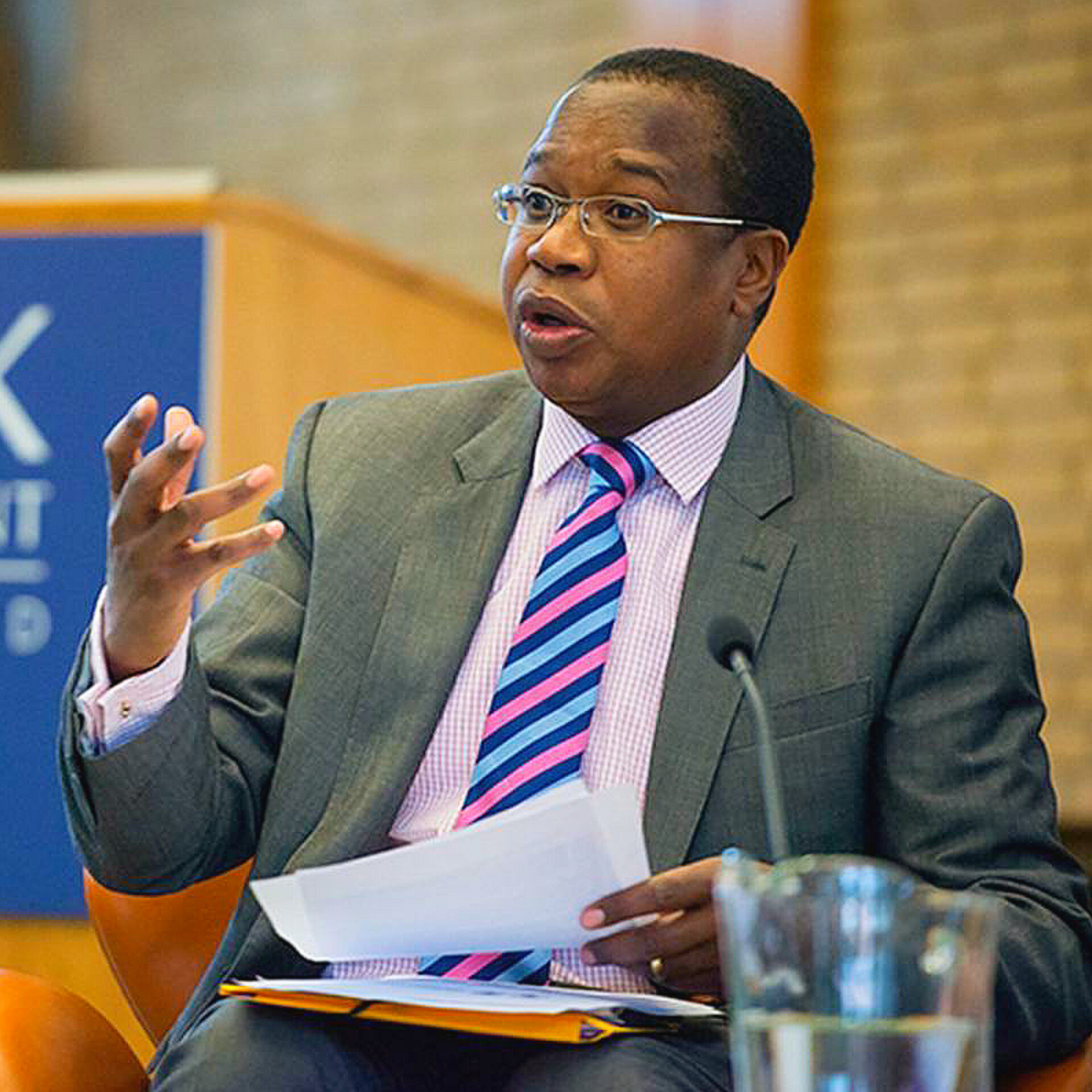
Although implementation has experienced delays, Finance Minister Mthuli Ncube’s indication that the project is now progressing, supported by payments through the CBZ Loan Facility, provides reason for cautious optimism and demonstrates renewed commitment to delivery across Matabeleland.
The scale of the remaining work, however, makes sustained implementation essential, with contractors requiring predictable funding, clear milestones and effective oversight to ensure that allocations translate into completed road sections beyond the initial budget announcement and into construction.
The Kwekwe-Nkayi-Lupane Road carries equally transformative potential, promising to improve links between Matabeleland North and the Midlands while shortening journeys to Victoria Falls and opening new opportunities along the corridor and for local communities.
Improved connectivity can reduce transport costs for rural communities, expand access to markets and essential services, and enable farmers, miners and emerging enterprises to participate more effectively in the wider economy while strengthening livelihoods across the region.
The benefits will extend beyond the immediate route, as improved links between production centres, towns and tourism destinations can strengthen domestic supply chains and support
Zimbabwe’s ambitions to expand regional trade and attract investment into the region.
Importantly, the Budget’s emphasis on completing projects already under way reflects a practical approach to public investment, particularly when fiscal resources are constrained and unfinished infrastructure cannot deliver its intended economic returns while ensuring public funds deliver results.
Prioritising advanced projects and those with the greatest catalytic impact should help Government secure value from previous expenditure while ensuring that communities begin to experience tangible improvements sooner rather than continuing to wait for promised benefits.
The proposed use of public-private partnerships, loan financing and other innovative funding arrangements also recognises that the scale of infrastructure needs requires resources beyond the Treasury’s capacity alone, including additional financing and technical expertise for successful delivery.
Road construction must also be matched by routine maintenance, because infrastructure loses value rapidly when drainage, shoulders and road surfaces are neglected after rehabilitation or upgrading works have been completed, undermining the benefits of public investment.
The Minister’s acknowledgement of railway infrastructure challenges is equally important, since a modern transport system depends on complementary road, rail, airport and border facilities rather than isolated projects serving individual sectors of the economy.
Revitalising rail tracks and rolling stock could ease pressure on highways, reduce freight costs and improve the movement of bulk goods, reinforcing the competitiveness of businesses across the country while strengthening national logistics and freight efficiency.
The 2027 allocation therefore presents an opportunity to turn long-standing infrastructure commitments into visible progress, provided implementation remains disciplined, transparent and responsive to the needs of the communities concerned, including residents, businesses and visitors alike.
Safer journeys, shorter travel times, stronger markets and increased economic activity would demonstrate how strategic infrastructure investment can improve connectivity across Matabeleland, unlock new opportunities and strengthen confidence in the region’s development prospects.